
Propagating Lycopus europaeus: The Challenges and Rewards of Growing Gypsywort
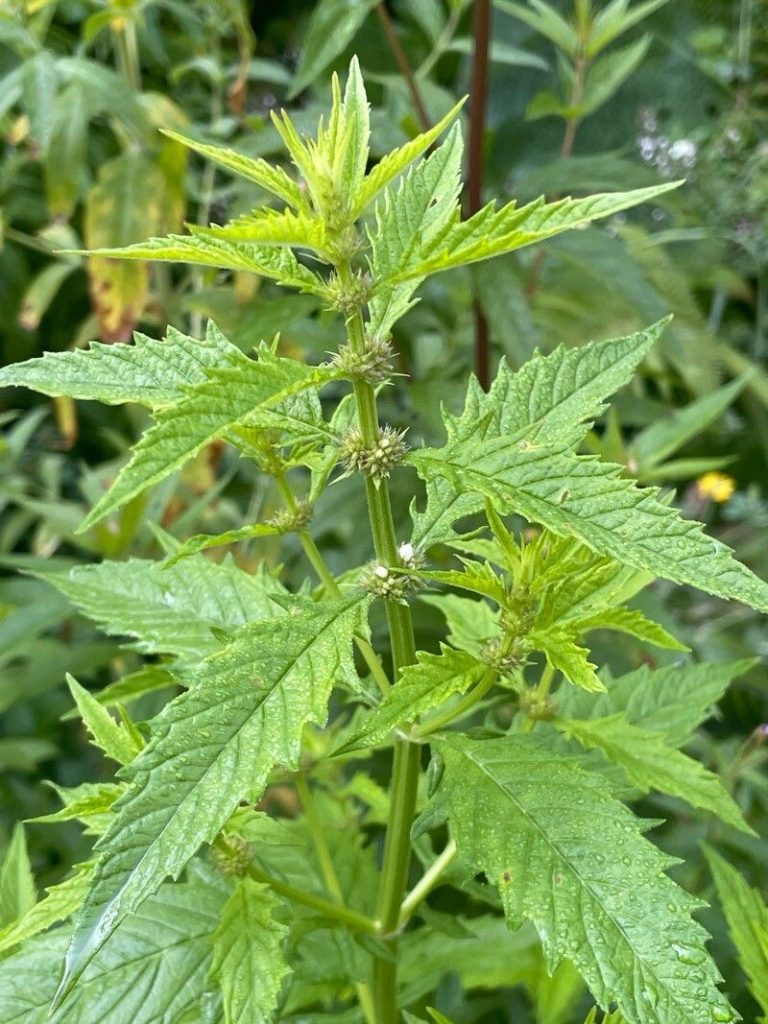
Lycopus europaeus, commonly known as gipsywort or water horehound, is a fascinating herbaceous perennial valued for its attractive foliage and adaptability to damp conditions. Its square stems, serrated leaves, and small white flowers make it a desirable addition to bog gardens, pondsides, and rain gardens. While not as widely cultivated as some more flamboyant garden plants, gipsywort’s resilience and unique qualities have earned it a dedicated following among gardeners who appreciate its understated elegance and ecological value. Its propagation, however, presents a unique set of challenges that make successful cultivation all the more rewarding.
Seed Germination:
Currently, there are no known reliable methods for seed germination propagation of Lycopus europaeus. While the plant does produce seeds, their germination rate is notoriously low, and successful propagation via seed has not been widely documented. Further research is needed to determine if specific pre-treatments or techniques could improve germination success.
Cuttings:
Cuttings offer a more reliable method for propagating gipsywort. The best time to take cuttings is during the spring or early summer when the plant is actively growing.
Challenges: Successfully rooting cuttings requires attention to detail. Stem cuttings, taken from non-flowering, semi-hardwood growth, are most likely to succeed. Sanitizing cutting tools to prevent disease transmission is crucial.
Practical Tips: Use a rooting hormone to enhance root development. Plant cuttings in a moist, well-draining medium like a peat-perlite mix, keeping them consistently humid under a propagator or plastic cover. Avoid overwatering, which can lead to rot.
Rewards: Cuttings offer a relatively fast method of propagation, allowing for the rapid increase of genetically identical plants. This is particularly useful for preserving desirable cultivars or specific characteristics.
Division:
Division is arguably the easiest and most reliable method of propagating Lycopus europaeus. This technique involves separating established plants into smaller sections, each with its own roots and shoots.
Challenges: Division is best performed in spring or autumn when the plant is dormant or actively growing. Care must be taken to avoid damaging the roots during separation. The size and health of the divided section will determine its success.
Practical Tips: Lift the entire plant carefully, remove excess soil, and use a sharp knife or spade to divide the root ball into multiple sections, ensuring each section has sufficient root mass and shoots. Replant immediately into suitable, moist soil.
Rewards: Division provides a quick and efficient way to increase the number of plants, preserving desirable genetic traits.
Tissue Culture:
While not commonly used for gipsywort propagation, tissue culture is a theoretically viable method.
Challenges: Establishing a successful tissue culture protocol for Lycopus europaeus would require considerable expertise and laboratory facilities. This method is significantly more complex and expensive than other propagation methods.
Practical Tips: This is a highly specialized technique requiring sterile laboratory conditions, specific growth media, and knowledge of plant tissue culture techniques.
Rewards: Tissue culture offers the potential for mass propagation of genetically identical plants and disease-free stock.
Conclusion:
Propagating Lycopus europaeus presents distinct challenges depending on the chosen method. Seed propagation remains unreliable, but cuttings and division offer practical and effective alternatives. Tissue culture, while potentially highly efficient, is complex and resource-intensive. The rewards, however, are substantial: the ability to cultivate this aesthetically pleasing and ecologically valuable plant in your own garden. The satisfaction of successfully propagating gipsywort, having overcome the particular hurdles it presents, is a testament to the gardener’s skill and patience. For those willing to put in the effort, the success is more than rewarding. Begin with division, and if inclined to experiment further, cuttings offer a viable path. Embark on this journey with perseverance, and the elegance of gipsywort will surely grace your garden.