
Unlocking the Secrets of the Colombian Lycoseris: A Propagation Guide
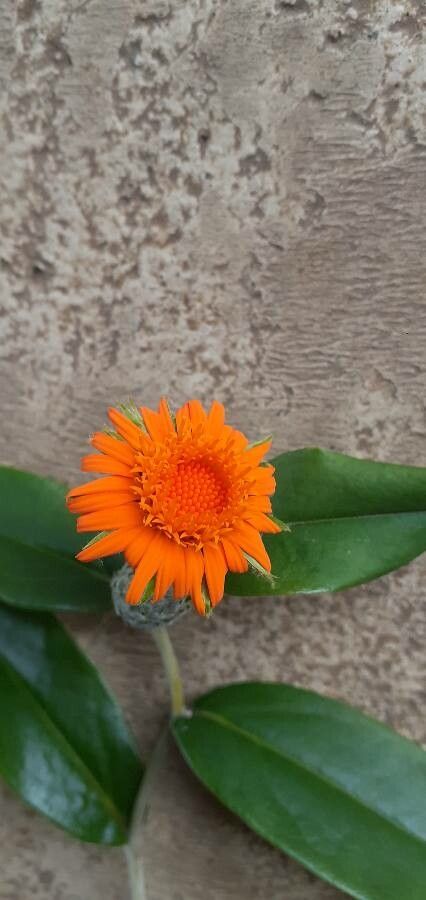
The Colombian Lycoseris (Lycoseris colombiana) isn’t a name that rolls off the tongue easily, but this fascinating member of the daisy family deserves a place in the spotlight. Native to the cloud forests of Colombia, this plant boasts unique, velvety leaves and brilliant orange flowers that resemble miniature sunflowers. If you’re seeking a touch of exotic beauty for your home or greenhouse, and are up for a rewarding challenge, then propagating Lycoseris colombiana might be right up your alley.
While not as common as other houseplants, with a little patience and the right techniques, you can successfully propagate this stunning species. Let’s delve into the methods that offer the best chance of success:
1. Seed Propagation: A Test of Patience and Skill
Finding Lycoseris colombiana seeds can be a treasure hunt in itself, often requiring a keen eye at specialized online nurseries or seed exchanges. Once you’ve procured these tiny gems, the real adventure begins!
- Sowing: Use a well-draining seed starting mix and sow the seeds superficially, pressing them gently onto the surface.
- Light and Moisture: Place the seed tray in a bright location, avoiding direct sunlight which can scorch the delicate seedlings. Keep the soil consistently moist, but never waterlogged, using a spray bottle to mist the surface.
- Warmth: Aim for a consistent temperature between 70-75°F (21-24°C) for optimal germination. Consider using a heat mat to provide consistent warmth.
- Patience: Germination can be erratic, ranging from a few weeks to several months. Don’t lose heart if you don’t see sprouts immediately.
2. Cuttings: A Faster Path to Success
Taking cuttings is generally considered a faster and more reliable method for propagating Lycoseris colombiana.
- Timing is Key: The ideal time to take cuttings is during the plant’s active growing season, typically in spring or early summer.
- Selecting the Cuttings: Choose healthy, non-flowering stems that are around 4-6 inches long. Make a clean cut just below a leaf node using a sharp, sterilized knife or pruning shears.
- Rooting Hormone (Optional): While not strictly necessary, dipping the cut end in rooting hormone can encourage faster and more successful root development.
- Planting and Care: Plant the cuttings in a well-draining potting mix, ensuring at least one leaf node is buried. Maintain moisture, warmth, and indirect light just like you would with seedlings.
Caring for Your New Propagations:
Once your Lycoseris colombiana seedlings or cuttings have developed a strong root system and new growth is evident, you can transplant them into individual pots. Remember:
- Well-draining Soil: Choose a light, airy potting mix that mimics the plant’s natural cloud forest environment.
- Bright, Indirect Light: These plants thrive in bright, indirect light. Avoid direct sunlight which can scorch their leaves.
- Moderate Watering: Allow the soil to dry out slightly between waterings, ensuring good drainage to prevent root rot.
- Humidity: As a cloud forest dweller, Lycoseris colombiana appreciates humidity. Regular misting or a pebble tray can help increase moisture levels.
Propagating Lycoseris colombiana might require some patience and a gentle touch, but the reward of seeing these beautiful plants flourish under your care makes it an incredibly rewarding experience. So, why not embark on your own propagation journey and introduce this captivating species into your home?