
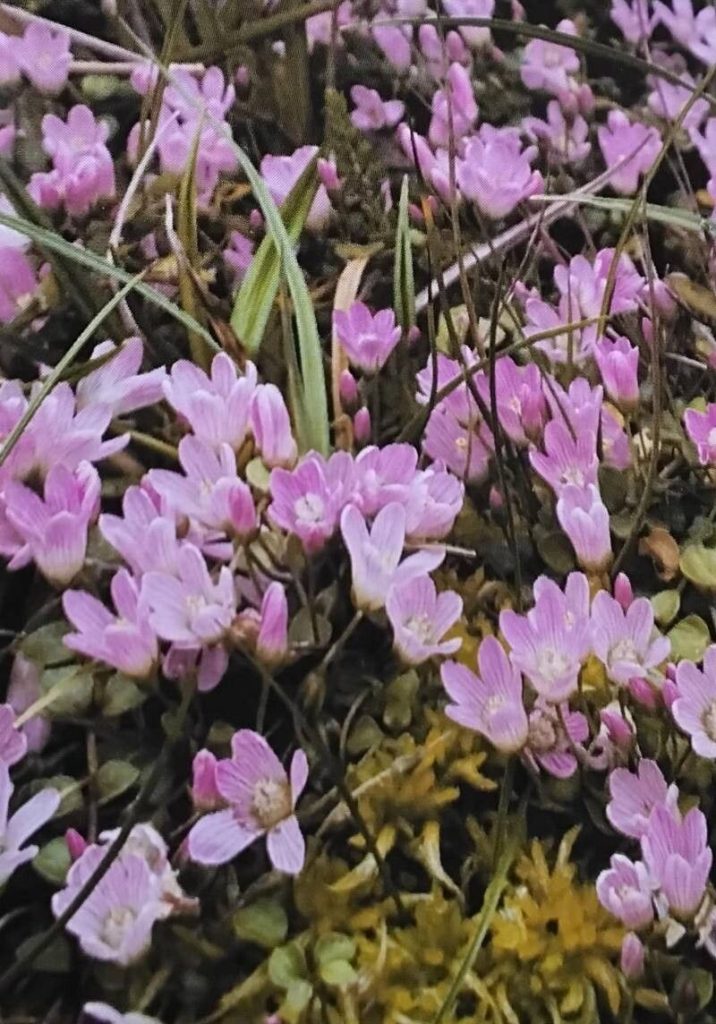
Propagating Lysimachia tenella: A Gardener’s Guide to the Bog Loosestrife
Introduction
Lysimachia tenella, commonly known as bog loosestrife, is a charming, low-growing perennial prized for its delicate, rose-pink flowers and slender, thread-like stems. Its preference for damp, boggy conditions makes it a valuable addition to water gardens, bog gardens, and moist borders. Its popularity among gardeners stems from its ease of care in suitable environments and its attractive contribution to naturalistic plantings. While readily available commercially, the propagation of Lysimachia tenella offers a unique gardening challenge and considerable satisfaction. The plant’s success however, is highly dependent on mimicking its natural wetland habitat.
Seed Germination
Currently, there are no known reliable methods for seed germination propagation of Lysimachia tenella. While seeds may be produced, their germination rate is extremely low, and successful establishment from seed is rarely reported in horticultural settings. The challenges lie in replicating the precise environmental conditions required for germination, which likely involves specific temperature and moisture levels combined with a possibly limited viable seed production.
Cuttings
Challenges: Propagation via cuttings presents a more feasible option. However, success depends on several factors, including the timing (optimally during late spring or early summer), the use of sharp, clean tools to avoid introducing disease, and providing consistently high humidity levels to prevent desiccation. The semi-softwood cuttings tend to root slowly.
Tips: Take 4-6 inch cuttings from non-flowering stems, removing lower leaves to prevent rotting. Dip cuttings in a rooting hormone prior to planting in a moist, free-draining seed-starting mix. Maintain high humidity using a propagation dome or plastic bag. Place in a location with bright, indirect light.
Rewards: This method offers a simpler and more reliable approach than seed propagation, allowing gardeners to quickly increase the number of plants.
Division
Challenges: Division is arguably the easiest and most reliable propagation method for Lysimachia tenella. However, the plant’s shallow root system requires careful handling to avoid damage. Divisions should be large enough to include adequate root material.
Tips: The best time to propagate via division is in spring or early autumn. Carefully lift the established plant, gently separating the clumps into smaller sections, ensuring each division has several healthy stems and roots. Plant the divisions immediately in moist, acidic soil.
Rewards: This method ensures a quick and reliable increase in plant numbers, preserving the genetic characteristics of the mother plant.
Tissue Culture
Challenges: Tissue culture, while potentially offering mass propagation capabilities, is a complex technique requiring specialized equipment, sterile conditions, and considerable horticultural expertise. It is generally not a practical method for home gardeners.
Tips: If attempting tissue culture, use established protocols for herbaceous perennials. Sterilization of both the planting material and the growing media is crucial. The use of plant growth regulators and carefully controlled environmental conditions are essential for success.
Rewards: Tissue culture offers the potential for large-scale production and the eradication of diseases, but it’s costly and complex, unsuitable for the average gardener.
Conclusion
Propagating Lysimachia tenella presents unique challenges across all methods, with division proving the most accessible and reliable technique for home gardeners. Seed germination remains largely unreliable. While cuttings are viable, they require patience and attention to detail. Tissue culture, although potentially efficient, is beyond the scope of most home propagators. The rewards, however, are substantial. Successfully cultivating this delicate plant, overcoming the obstacles to successful propagation, offers a profound sense of accomplishment and a deeper appreciation for the nuances of plant life and their needs. Don’t let the challenges discourage you; the beauty of the bog loosestrife in your own garden is a reward well worth the effort. Remember to provide consistently moist, acidic soil and bright, indirect light to your propagated plants for optimal growth.