
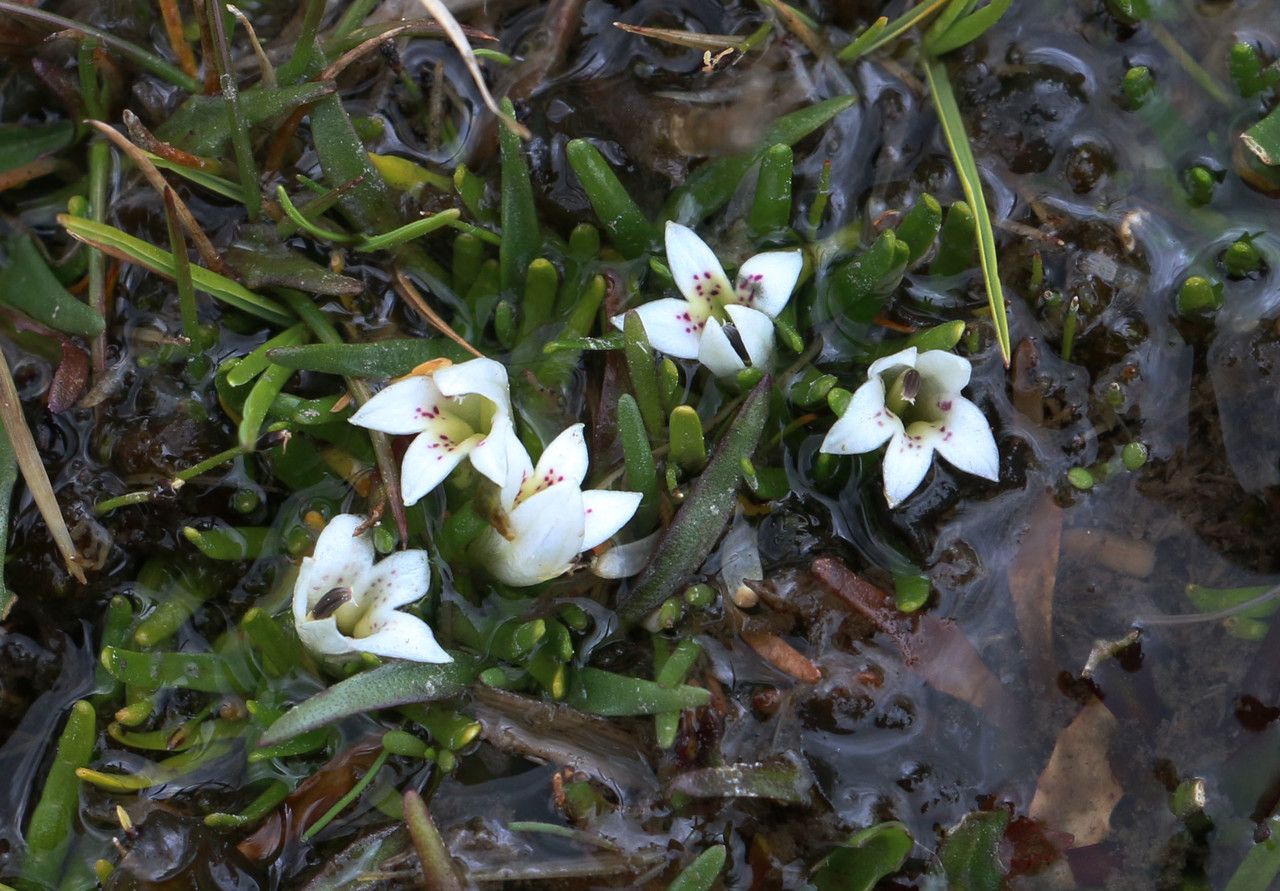
Taming the Tiny Andean Treasure: Propagating Lysipomia pumila
The world of alpine plants is filled with fascinating species, and Lysipomia pumila stands out as a captivating miniature with a big personality. Hailing from the high Andes, this cushion-forming perennial charms with its tight mounds of tiny green leaves and a profusion of bell-shaped, lavender-blue flowers that bloom from late spring to summer.
While its delicate beauty is undeniable, cultivating this alpine treasure can be a rewarding challenge. If you’re up for it, propagating Lysipomia pumila offers a chance to expand your collection and marvel at its resilience. Here’s a guide to help you succeed:
Understanding Lysipomia Pumila’s Needs
Before diving into propagation, it’s crucial to understand what makes this plant tick. Lysipomia pumila thrives in cool, well-drained conditions that mimic its high-altitude home:
- Sunlight: Provide bright, indirect light or dappled shade.
- Temperature: Aim for cool temperatures, ideally below 70°F (21°C). Hot, humid environments are detrimental.
- Watering: Water consistently, keeping the soil moist but never soggy. Good drainage is key to preventing root rot.
- Soil: A well-draining, gritty mix is crucial. Opt for a blend specifically formulated for alpine plants or create your own using ingredients like perlite, grit, and peat moss.
Propagation Methods:
1. Seed Propagation:
- Timing: Sow seeds in late winter or early spring.
- Process:
- Surface sow the tiny seeds on a seed starting mix, pressing them gently without covering them.
- Keep the soil consistently moist and cover the tray with a humidity dome or plastic wrap to maintain high humidity.
- Place the tray in a bright location, but out of direct sunlight.
- Germination can be slow and erratic, taking several weeks or even months. Be patient!
- Care: Once seedlings emerge, gradually acclimate them to lower humidity. When large enough to handle, carefully transplant them into individual pots.
2. Cuttings:
- Timing: Take cuttings in late spring or early summer.
- Process:
- Using a sharp, sterile knife or pair of scissors, take a 2-3 inch cutting from the tip of a healthy stem. Remove the lower leaves to expose the nodes.
- Dip the cut end in rooting hormone (optional but helpful).
- Plant the cutting in a well-draining propagation mix.
- Water gently and cover the pot with a plastic bag or humidity dome to create a humid environment.
- Care: Keep the cuttings in a warm, bright location, but out of direct sunlight. Water regularly to maintain consistent moisture. Rooting typically takes several weeks. Once roots develop, gradually acclimate the cutting to lower humidity before transplanting.
Challenges and Troubleshooting:
Lysipomia pumila can be slow-growing and sensitive, especially in its early stages. Here are some common challenges and solutions:
- Damping off: This fungal disease can afflict seedlings. Prevent it by ensuring good air circulation, avoiding overwatering, and using a sterilized seed starting mix.
- Root rot: The most significant threat. Use a well-draining mix and be mindful not to overwater.
- Slow growth: Be patient! This species naturally grows slowly.
With dedicated care and attention to detail, propagating Lysipomia pumila can be a rewarding endeavor for any passionate plant enthusiast. The sight of these tiny alpine treasures thriving in your care is a testament to your patience and a celebration of the remarkable diversity of the plant kingdom.