
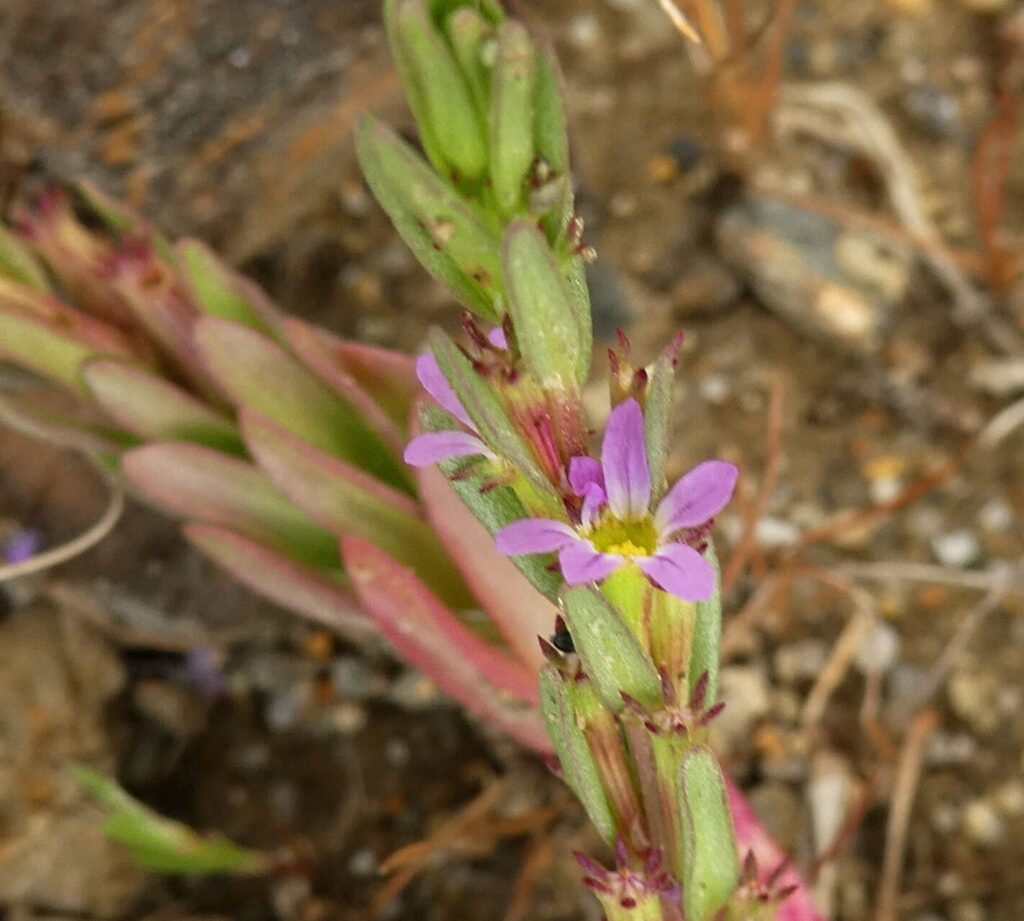
From Tiny Seed to Vibrant Bloom: Propagating the Graceful Lythrum hyssopifolia
The Lythrum hyssopifolia, also known as the “loosestrife” or “grass poly,” is a captivating little plant. Its delicate pink or purple flowers dance on slender stems, bringing a touch of vibrant color to any garden. But did you know that this beautiful plant is also incredibly easy to propagate?
Whether you’re a seasoned gardener or just starting your green thumb journey, this blog post will guide you through the simple process of propagating your own “loosestrife” using both seeds and cuttings.
From Seed to Sprout:
Lythrum hyssopifolia is a prolific seed producer. To capture the magic of growth from scratch, follow these steps:
-
Harvesting the Seeds: Once your “loosestrife” blooms fade, watch for the tiny seed capsules to form. These capsules will eventually turn brown and dry, ready for harvesting. Simply snip the capsules off and let them dry completely in a paper bag.
-
Preparing the Seedbed: Fill a seed tray or pot with a light, well-draining seed-starting mix. Water the mix thoroughly and allow it to drain.
-
Sowing the Seeds: Scatter the seeds evenly on the surface of the seedbed, and gently press them in with your finger. Do not bury them deeply as light helps in germination. Mist the seeds lightly with water.
-
Creating Ideal Conditions: Cover the tray with a clear plastic dome or wrap to keep the moisture in and create a mini-greenhouse environment. Place the tray in a warm, bright location, but avoid direct sunlight.
- Patience is Key: Germination can take anywhere from a few weeks to a month, depending on the conditions. Keep the soil consistently moist and remove the plastic dome once the seedlings start to emerge.
From Cuttings to New Plants:
Taking cuttings is another straightforward way to multiply your Lythrum plants.
-
Choosing the Right Cuttings: Select healthy stems that are about 4-6 inches long and have at least two sets of leaves.
-
Preparing the Cuttings: Cut the stems at a 45-degree angle below a node (where the leaves grow). Remove the leaves from the bottom inch or two of the stem.
-
Rooting Hormone and the Rooting Medium: Dip the cut ends of the cuttings in rooting hormone to encourage root development. Fill small pots with a mixture of peat moss and perlite or vermiculite to provide good drainage.
-
Planting the Cuttings: Make small holes in the potting mix and insert the cuttings, leaving the lower leaves exposed. Gently firm the soil around the stems.
-
Create a Humid Environment: Mist the cuttings daily and cover the pots with clear plastic wrap to create a humid environment. Place the pots in a bright location but out of direct sunlight.
- Root Development: Within a few weeks, you should start to see new growth, indicating root development. Once rooted, gradually acclimate the cuttings to outdoor conditions before transferring them to permanent garden spots.
Enjoy the Result:
Whether you choose seeds or cuttings, propagating Lythrum hyssopifolia is a rewarding experience. Watching these little plants bloom from your own efforts brings a sense of fulfillment.
Don’t forget to give them plenty of sunshine and well-drained soil, and enjoy their vibrant color and captivating grace in your garden!