
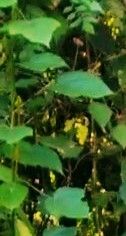
Unlocking the Secrets of Macaranga bancana: A Propagation Guide
The Macaranga bancana, with its impressive size and unique foliage, is truly a sight to behold. While not a household name, this tropical beauty, with its large, shield-shaped leaves and fascinating relationship with ants, can be a rewarding addition to gardens in suitable climates. But how do you go about propagating this intriguing species? Let’s unlock the secrets of successfully growing Macaranga bancana.
Understanding the Macaranga bancana:
Native to Southeast Asia, Macaranga bancana is a fast-growing, pioneer species, often found in disturbed areas and forest edges. Its large leaves can reach impressive sizes, acting as natural umbrellas. This plant’s fascinating symbiotic relationship with ants adds another layer of intrigue. The plant provides shelter and food for specific ant species within its hollow stems, while the ants, in turn, protect the plant from herbivores.
Propagation Methods:
While Macaranga bancana can be a bit tricky to propagate, success is achievable with patience and the right techniques. Here are the two most common methods:
1. Seed Propagation:
- Sourcing Seeds: Obtaining viable seeds can be challenging. Look for reputable seed suppliers specializing in exotic or tropical plants.
- Seed Preparation: Due to their hard outer shell, Macaranga bancana seeds benefit from scarification. Gently rub the seed coat with sandpaper or a file to help water penetrate, encouraging germination.
- Sowing: Plant the scarified seeds in a well-draining seed-starting mix, keeping them moist and warm (around 75-85°F).
- Patience is Key: Germination can be erratic, taking anywhere from a few weeks to several months.
2. Stem Cuttings:
- Timing: The best time for taking cuttings is during the plant’s active growing season, typically spring to early summer.
- Selecting Cuttings: Choose healthy, semi-hardwood stems that are about 4-6 inches long.
- Preparing Cuttings: Remove the lower leaves from the cutting, leaving a few at the top. You can dip the cut end in rooting hormone powder to improve success rates.
- Planting: Insert the cuttings into a well-draining potting mix, ensuring at least one node is buried.
- Creating Humidity: Cover the pot with a clear plastic bag or humidity dome to retain moisture and encourage root development.
Care for Young Plants:
Regardless of the propagation method, young Macaranga bancana plants require consistent care:
- Light: Provide bright, indirect light. Avoid intense, direct sunlight, which can scorch their sensitive leaves.
- Water: Maintain consistently moist soil, but avoid overwatering, which can lead to root rot.
- Humidity: These tropical plants thrive in humid environments. Consider using a humidifier or placing the pot on a tray filled with pebbles and water to increase humidity.
- Fertilizer: Feed your young plants with a balanced, diluted fertilizer every 4-6 weeks during the growing season.
Final Thoughts:
Propagating Macaranga bancana might require a bit of dedication, but the reward of seeing this unique plant flourish is well worth the effort. Whether you choose to start from seed or cuttings, remember to provide the right growing conditions, and soon you’ll be able to enjoy the captivating presence of Macaranga bancana in your own space.