
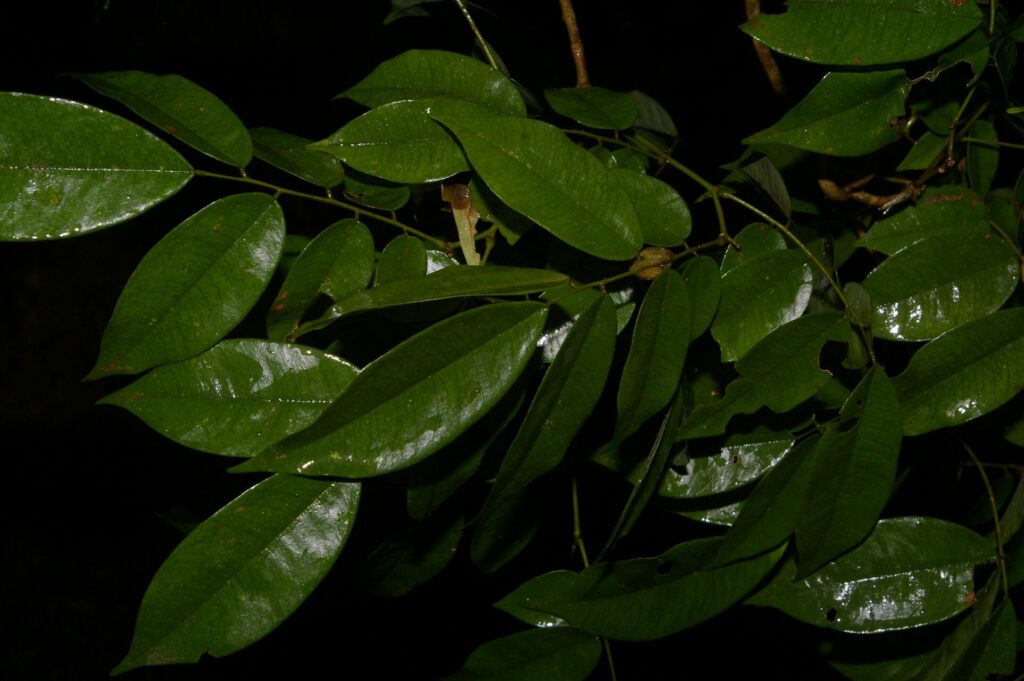
Taming the Jacaranda Cedar: A Guide to Propagating Machaerium leiophyllum
The Jacaranda Cedar (Machaerium leiophyllum), with its vibrant purple blooms and graceful, spreading form, is a showstopping addition to any tropical garden. Native to South America, this lesser-known beauty, related to the pea and bean family, is surprisingly adaptable and rewarding to grow. And while finding it at your local nursery might be a challenge, propagating your own Jacaranda Cedar is an achievable feat for both novice and experienced plant enthusiasts.
This comprehensive guide will equip you with the knowledge and techniques to successfully propagate Machaerium leiophyllum, allowing you to share the joy of this striking tree with fellow plant lovers.
Method 1: Seed Propagation
Patience is key with seed propagation, as it requires a longer timeframe to witness the fruits of your labor. Here’s a step-by-step process:
-
Seed Collection and Preparation: Harvest mature, brown seed pods directly from the tree. Allow the pods to dry completely. Once dry, extract the seeds and scarify them by gently rubbing them with sandpaper or a file. This process weakens the seed coat, promoting water absorption and germination.
-
Sowing the Seeds: Plant each seed about 1/2 inch deep in a well-draining seed starting mix. Keep the soil consistently moist but not waterlogged.
-
Providing Optimal Conditions: Place the seed tray in a warm, bright location, out of direct sunlight. Temperatures between 70-80°F are ideal for germination.
- Germination: Be patient, as germination can take anywhere from a few weeks to several months. Once seedlings emerge and develop a couple of sets of true leaves, they can be transplanted into individual pots.
Method 2: Propagation from Cuttings
For a quicker and often more successful approach, propagate Machaerium leiophyllum from semi-hardwood cuttings:
-
Selecting the Cutting: During the growing season (spring or early summer), choose a healthy, non-flowering stem. Look for a branch segment that’s at least 6 inches long and has a good balance of firmness and flexibility.
-
Preparing the Cutting: Using a sharp, sterilized knife or pruning shears, make a clean cut just below a leaf node. Remove the leaves from the bottom third of the cutting.
-
Rooting Hormone (Optional): While not mandatory, dipping the cut end in rooting hormone can encourage faster and more successful root development.
-
Planting the Cutting: Insert the cutting into a pot filled with a well-draining rooting mix, burying at least a third of the stem. Water thoroughly.
-
Creating a Humid Environment: To increase humidity and promote root development, place a clear plastic bag or a humidity dome over the pot. Ensure adequate air circulation to prevent fungal growth.
- Monitoring and Care: Maintain consistent moisture and place the cutting in a warm, bright, but indirectly lit location. Roots should develop within 4-8 weeks. Once new growth emerges, you can transplant the rooted cutting into a larger pot.
Post-Propagation Care
Regardless of the method employed, newly propagated Jacaranda Cedar require attentive care:
- Soil: A well-draining potting mix is crucial. Consider adding perlite or sand to improve drainage.
- Light: Provide ample bright, indirect light.
- Water: Water deeply when the topsoil feels dry to the touch, but avoid overwatering.
- Fertilizer: Feed with a balanced liquid fertilizer diluted to half strength during the growing season.
Propagating Machaerium leiophyllum can be a rewarding endeavor. With patience, care, and this guide as your roadmap, you can successfully cultivate new plants and adorn your surroundings with the magnificence of this tropical gem. Happy propagating!