
Unlocking the Secrets of Machilus thunbergii: A Guide to Propagation
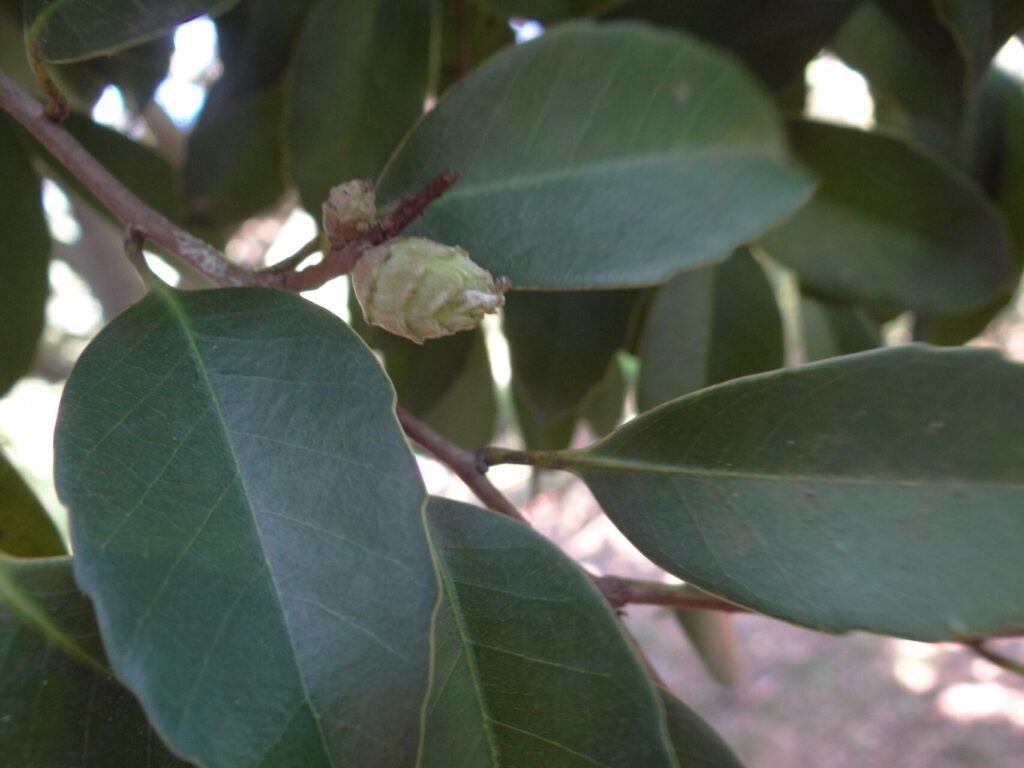
Machilus thunbergii, also known as the Japanese Machilus or the “Black Olive Tree,” is a captivating evergreen with glossy, dark green leaves and a captivating, olive-like fragrance. This beautiful tree is not only visually stunning but also incredibly resilient, making it a popular choice for both home gardens and urban landscaping.
But what if you want to share the beauty of Machilus thunbergii with others or simply expand your own collection? This is where the fascinating world of propagation comes into play.
Propagation of Machilus thunbergii:
Propagating Machilus thunbergii is possible through both seed propagation and vegetative propagation. While both methods have their merits, vegetative propagation is generally preferred for its ability to preserve desirable traits and produce trees faster.
1. Seed Propagation:
- Collecting Seeds: Seeds are typically collected from ripe fruits, which are dark purple to black and resemble olives.
- Preparation: Seeds can be sown directly in the ground or in seed trays filled with a well-draining potting mix.
- Germination: Seeds require a period of cold stratification – typically 1-3 months in a refrigerator – to break dormancy.
- Sowing: After stratification, sow the seeds about half an inch deep, maintain a consistently moist environment, and keep them in a warm location. Germination may take several weeks to several months.
2. Vegetative Propagation:
- Cuttings: Taking cuttings from mature branches during spring or summer is an effective method for producing genetically identical copies. The cuttings should be 4-6 inches long and taken from healthy, well-developed branches.
- Rooting: Once taken, the cuttings should be dipped in rooting hormone and planted in a mixture of peat moss and perlite. Maintain a humid environment with bottom heat for optimal root development.
- Air Layering: This technique involves removing a ring of bark from a branch and wrapping it in a moistened moss-filled plastic bag. The roots will develop within the bag. This method is particularly useful for replicating larger trees.
Benefits of Vegetative Propagation:
- Faster Growth: Trees propagated vegetatively typically grow faster than those grown from seeds.
- Preservation of Traits: Vegetative propagation ensures the offspring inherit the desired characteristics, such as growth habit, leaf color, and fragrance, from the parent tree.
Important Considerations:
- Timing: Regardless of the method chosen, propagation is most successful when initiated during the active growing season.
- Hygiene: Sterilize tools to prevent the spread of diseases.
- Patience: Propagation can be a time-consuming process, especially for seed propagation.
Conclusion:
Propagating Machilus thunbergii allows you to experience the joy of nurturing new life and expand your garden with this remarkable tree. Whether you opt for seed propagation or the quicker vegetative methods, the process allows you to appreciate the resilience and beauty of this iconic plant while contributing to its presence in the world. Remember to gather information, select the appropriate method for your needs, and most importantly, approach the process with patience and enthusiasm!