
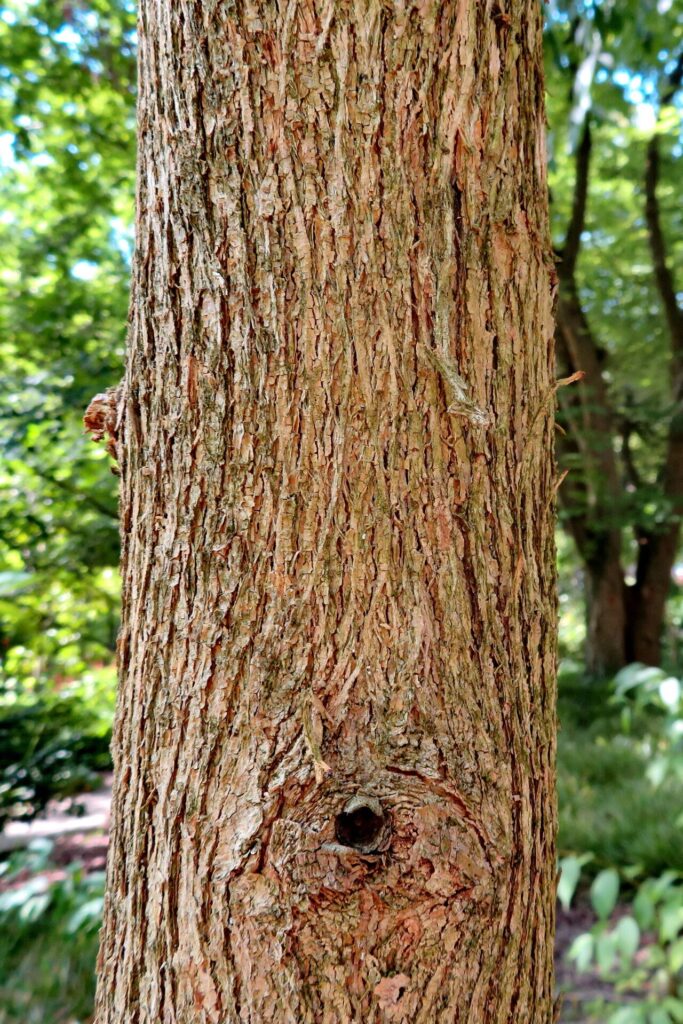
From Seed to Shrub: Mastering the Art of Propagating the Osage Orange
The Osage Orange, or Maclura tricuspidata, is a fascinating tree with a unique history and distinctive features. Its thorny branches and softball-sized, bumpy fruits make it a standout in any landscape. If you’re looking to add this unique plant to your garden, you might be wondering – how do you get your hands on one? While you can certainly find Osage Orange trees for sale at nurseries, there’s a rewarding (and cost-effective!) way to start your own: propagation.
Seeds: A Journey Through the Fruit
The Osage Orange produces hard, lumpy fruit that resembles a green, spiky orange. Inside, you’ll find countless tiny seeds, each capable of producing a new tree. While this method is simple, it does have some quirks.
- Patience is key: Osage Orange seeds have a hard seed coat and often require a period of cold stratification (exposure to cold) before they will germinate. This can take several months!
- Timing is everything: The best time to collect Osage Orange fruit for seed propagation is late fall or early winter.
- Preparing the seeds: Before planting, remove the fleshy part of the fruit and soak the seeds in water for 24 hours. Then, you can either sow them directly outdoors in the fall or stratify them in the refrigerator for 3-4 months.
Cuttings: A Faster Route to a New Tree
If you’re looking for a quicker way to grow an Osage Orange, propagation from cuttings is a great option.
- Timing matters: The best time to take cuttings is in late winter or early spring, just before new growth begins.
- Selecting the right material: Choose healthy, disease-free branches that are 6-8 inches long and 1/4 inch in diameter.
- Root hormone is your friend: Dip the cut end of the cutting in rooting hormone, which helps stimulate root growth.
- Potting and care: Plant the cuttings in a pot filled with a well-draining potting mix and keep them moist. Place the pot in a bright, indirect light location.
Layering: A Hands-On Technique
Layering is another method for propagating Osage Orange, though a bit more involved. It involves encouraging a branch to root while it’s still attached to the parent plant.
- Choose your branch: Select a healthy branch that is low to the ground.
- Make an incision: Strip the leaves from a section of the branch and make a small cut (about 1 inch long) into the bark.
- Pin and protect: Wrap the cut area with moist sphagnum moss and cover it with plastic wrap. Secure the branch to the ground using a wire or stone.
- Patience is a virtue: Keep the moss moist and wait about a year for the branch to root.
Beyond Propagation: A Word on Care
Once your Osage Orange has established itself, it’s a relatively low-maintenance plant. It prefers full sun and well-drained soil. However, be aware that they are very thorny and can grow quite large, so choose your planting location wisely.
The Rewards of Propagation
Propagating your own Osage Orange trees is a rewarding experience. Not only is it a cost-effective way to grow this unique plant, but it also allows you to share it with friends and family. From the patience of seed germination to the hands-on experience of layering, each method offers a unique perspective on the life cycle of this fascinating tree. So give it a try – you might be surprised at how easy it is to grow your very own Osage Orange!