
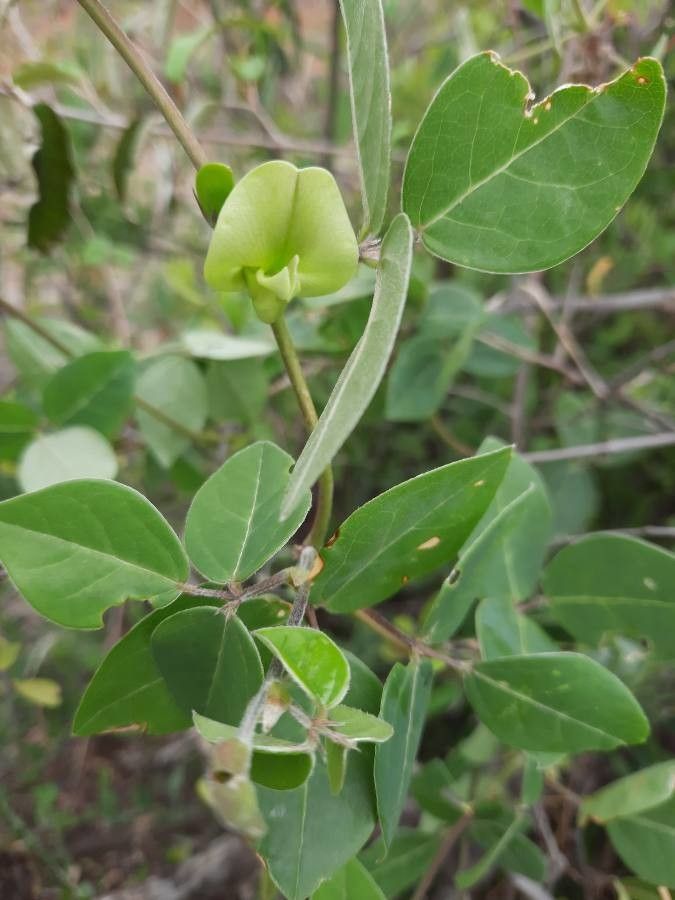
From Bean to Bounty: The Easy Guide to Propagating Macrotyloma Axillare
Macrotyloma axillare, also known as the “Horse Gram” or “Kulthi” bean, is a fascinating and versatile legume. Beyond being a nutritious food source, this plant boasts a wealth of medicinal uses and has even gained popularity in sustainable agriculture. But did you know that you can easily propagate your own Macrotyloma axillare at home? This blog post will guide you through the simple process of multiplying your Horse Gram, ensuring an abundant supply of this valuable plant.
Understanding the Basics:
Macrotyloma axillare is a hardy legume that can be grown in various climates. It thrives in well-drained soil and prefers a warm, sunny environment. The easiest and most successful method of propagation is through seeds, directly in the ground or in seed trays.
Seed Collection and Preparation:
- Harvest: Once the pods of your Macrotyloma axillare plant turn brown and dry, carefully collect them.
- Extract Seeds: Carefully break open the pods and extract the seeds.
- Cleaning: Remove any debris or remaining pod pieces, washing the seeds gently if necessary.
- Scarification (Optional): For optimal germination, consider scarifying the seeds. This involves lightly roughening the seed coat using sandpaper or a file. Scarification helps break through the hard seed coating, making it easier for the sprout to emerge.
Planting Your Seeds:
- Direct Sowing: For outdoor planting, prepare the soil by loosening and removing any weeds. Scatter the seeds about 1/2 inch deep and space them 1-2 feet apart. Water generously.
- Seed Trays: For controlled germination, use seed trays filled with well-draining seed starting mix. Plant one seed per cell, and gently water the tray.
Cultivation:
- Sunlight: Ensure the seedlings receive ample sunlight. Direct sunlight is ideal for healthy growth.
- Watering: Keep the soil consistently moist, but avoid overwatering. Water deeply, allowing the top layer of soil to dry slightly between waterings.
- Fertilizer: Once the seedlings establish themselves, fertilize with a balanced organic fertilizer to promote vigorous growth.
Troubleshooting:
- Slow Germination: If your seeds are not germinating promptly, check the moisture level of the soil. Make sure the environment isn’t too cold.
- Pest Control: Monitor your plants for pests like aphids or caterpillars. Use organic pest control methods if necessary.
Harvesting:
- Harvest Pods: Once the pods have dried and turned brown, carefully pick them from the plant.
- Storing: Store the seeds in a cool, dry, and well-ventilated place for future planting.
Benefits of Propagating Macrotyloma Axillare:
By propagating your own Horse Gram, you not only ensure a continuous supply of this valuable plant but also contribute to sustainable gardening practices. You can share your bountiful harvest with friends and family, and continue to appreciate its numerous benefits.
Conclusion:
Propagating Macrotyloma axillare is an easy and rewarding experience. With just a few simple steps, you can reap the benefits of this versatile legume, enjoying its various health and culinary applications. Embrace the process, and watch your very own Horse Gram garden flourish!