
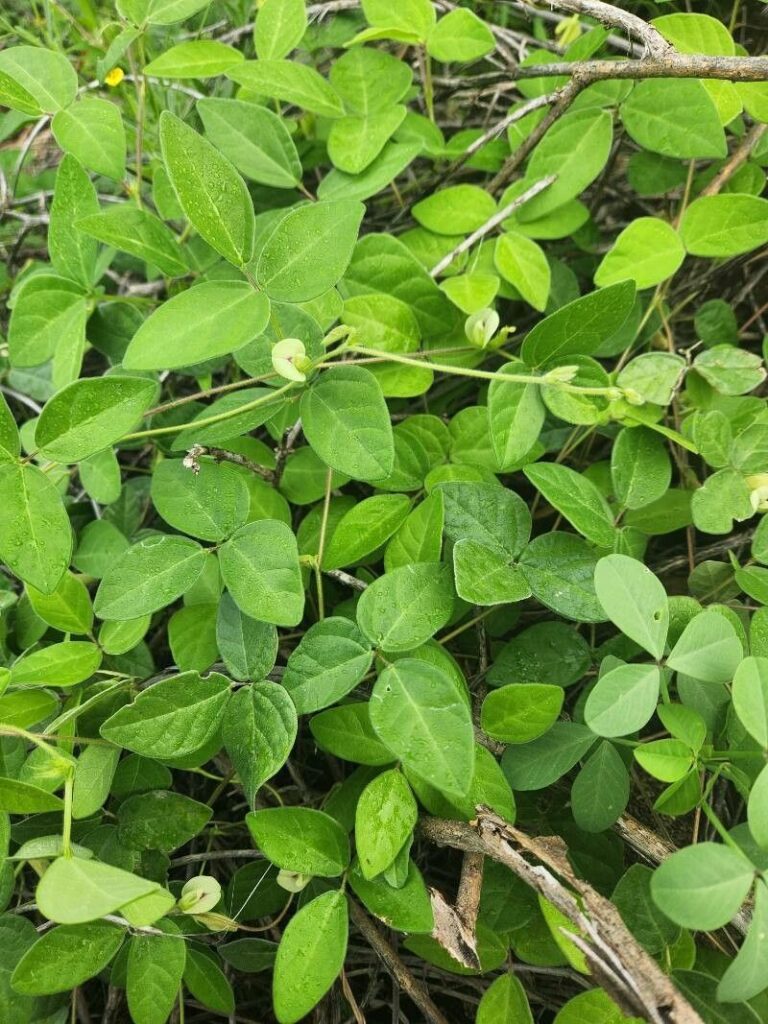
From Bean to Bounty: Propagating Your Own Macrotyloma Uniflorum (Horse Gram)
Forget the grocery store, you can grow your own! You’re probably thinking about tomatoes, peppers, or maybe even herbs, but have you ever considered cultivating horse gram? That’s right, the humble Macrotyloma uniflorum, known as horse gram, is a fascinating and nutritious legume that can be grown easily from seeds. This blog post will guide you through the process of propagating your own horse gram, helping you reap the rewards of this resilient and flavorful bean.
Why Propagate Horse Gram?
While not as common in Western cuisines, horse gram boasts a rich history and boasts various health benefits. It’s a nutritional powerhouse packed with protein, fiber, and essential vitamins and minerals. Additionally, horse gram is known for its versatility. It can be used in stews, curries, and even ground into flour for bread or pancakes.
The Secret to Successful Propagation: Seeds!
The most common method for propagating horse gram is through seeds. Here’s what you need to know to get started:
1. Sourcing Your Seeds:
- From a reputable source: Seek out certified seeds from a trusted online store or local garden center.
- Save your own: If you already have a horse gram plant, you can collect seeds from its pods.
2. Preparing the Seeds:
- Soak overnight: This softens the seed coat and encourages faster germination.
- Scarification: For tougher seed coats, try scarification. This involves gently nicking the seed coat with a sharp knife or sandpaper.
3. Planting Time:
- Direct sowing: Horse gram thrives in warm weather, so plant your seeds directly outdoors.
- Optimal timing: Aim for spring or early summer when soil temperatures are consistently above 70°F (21°C).
- Sunlight: Choose a sunny spot in your garden.
- Spacing: Allow for 12-18 inches between plants for optimal growth.
4. Caring for Your Seedlings:
- Watering: Provide regular watering, keeping the soil moist but not soggy.
- Fertilizing: If needed, use a balanced fertilizer to encourage healthy growth.
- Weeding: Keep the area around your seedlings clear of weeds to prevent competition.
5. Harvesting Your Horse Gram:
- Time to harvest: The pods will mature about 3-4 months after planting.
- Recognizing ripeness: When the pods turn brown and dry, they are ready to harvest.
-
Drying: Allow the harvested pods to dry completely in a well-ventilated area before threshing the beans out.
Additional Tips:
- Soil type: While horse gram is adaptable, it prefers well-draining soil with a pH of 6.0–7.0.
- Pest control: Watch out for common garden pests like aphids, bean beetles, and fungal diseases.
- Rotation: Rotating your crops each season can help prevent disease build-up in the soil.
Enjoy the Rewards!
Propagating horse gram opens a world of possibilities. You can grow your own nutritious and versatile legume while enjoying the satisfaction of cultivating nature’s bounty. Embrace the journey, learn the process, and savor the delicious results!