
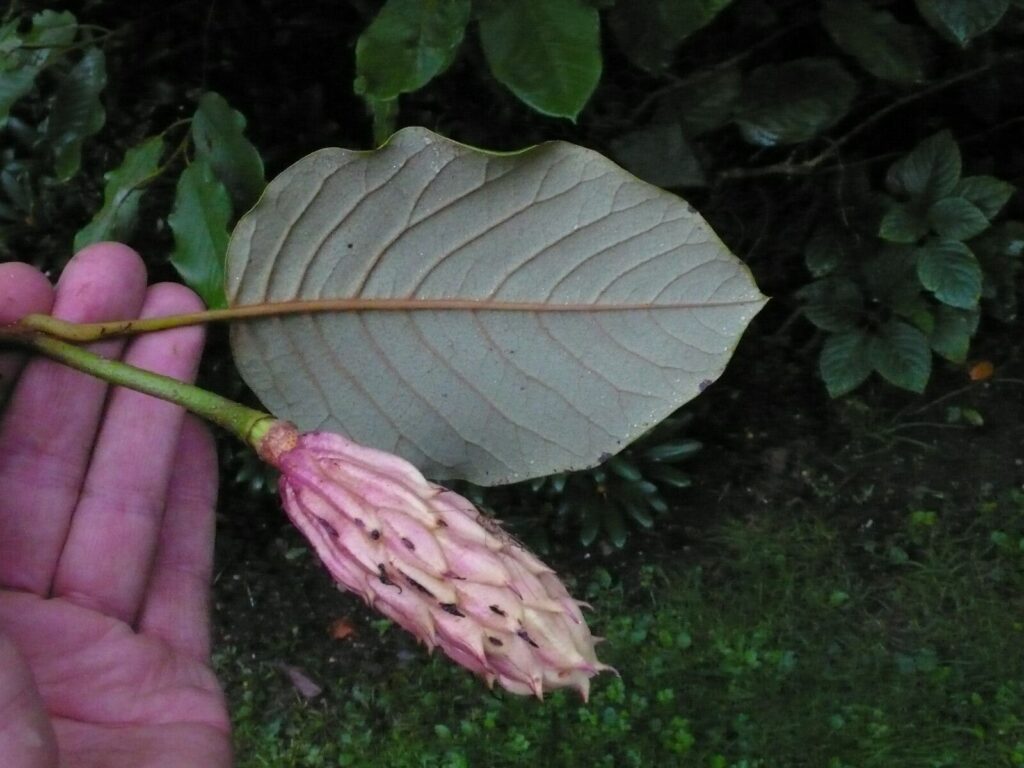
Unveiling the Secrets of Magnolia globosa Propagation: A Guide to Growing this Rare Beauty
The Magnolia globosa, with its captivating globe-shaped flowers and alluring fragrance, is a rare gem sought after by plant enthusiasts. Native to the high mountains of China, this deciduous magnolia species is a captivating sight, boasting creamy-white, lemon-scented blooms that adorn its branches in late spring. While acquiring a mature specimen can be a challenge, propagating your own Magnolia globosa is a rewarding endeavor for patient gardeners. Let’s explore the two most effective methods:
1. Seed Propagation: A Test of Time and Patience
Growing Magnolia globosa from seed is an adventure for the green thumb with a long-term vision. While rewarding, it requires commitment and meticulous care. Here’s a step-by-step guide:
- Seed Collection & Preparation: Collect mature seeds from ripe fruit capsules in late summer or early fall. Remove the fleshy outer layer and soak the seeds in lukewarm water for 24 hours to enhance germination.
- Stratification: Mimicking Nature’s Cycle: Magnolia globosa seeds require a period of cold stratification to break dormancy. Mix the seeds with a moist medium like vermiculite or sand, place them in a sealed plastic bag, and store them in the refrigerator (around 4°C) for at least 90 days.
- Sowing the Seeds: In spring, sow the stratified seeds in a well-draining seed starting mix. Plant them about 1 inch deep in trays or pots, keeping the soil consistently moist but not waterlogged.
- Patience is Key: Germination can be erratic and may take several weeks or even months. Be patient, provide consistent moisture, and ensure adequate indirect sunlight.
- Transplanting & Care: Once the seedlings develop a strong root system and several true leaves, transplant them to larger individual pots. Grow them in a sheltered location with partial shade and well-drained soil.
2. Semi-Hardwood Cuttings: A Faster Path to Propagation
For quicker results, propagating Magnolia globosa from semi-hardwood cuttings provides a more expedited approach:
- Timing is Crucial: Take cuttings in mid to late summer when the new growth has partially matured. Choose healthy, non-flowering stems that are about 4-6 inches long.
- Preparing the Cuttings: Remove the leaves from the bottom third of each cutting. Wound the base of the cutting slightly using a sharp, sterile knife or by making a small vertical cut to encourage root development.
- Hormone Treatment: Dip the wounded end of the cutting in rooting hormone powder to stimulate root growth.
- Planting the Cuttings: Plant the cuttings in a well-draining rooting medium such as a mixture of perlite and peat moss. Keep the medium consistently moist and provide bottom heat using a propagation mat to enhance rooting.
- Creating a Humid Environment: Cover the cuttings with a plastic dome or humidity tent to retain moisture. This creates a greenhouse-like environment conducive to root development.
- Transplanting: After several weeks, check for root development. Once the cuttings have formed a healthy root system, transplant them to individual pots filled with well-draining soil.
Cultivating Patience and Enjoying the Rewards
Propagating Magnolia globosa, whether from seed or cuttings, is a labor of love. It demands patience, care, and a genuine passion for nurturing plants from their earliest stages. However, the reward of witnessing your efforts blossom into a stunning Magnolia globosa, gracing your garden with its elegance and fragrance, is a truly fulfilling experience.