
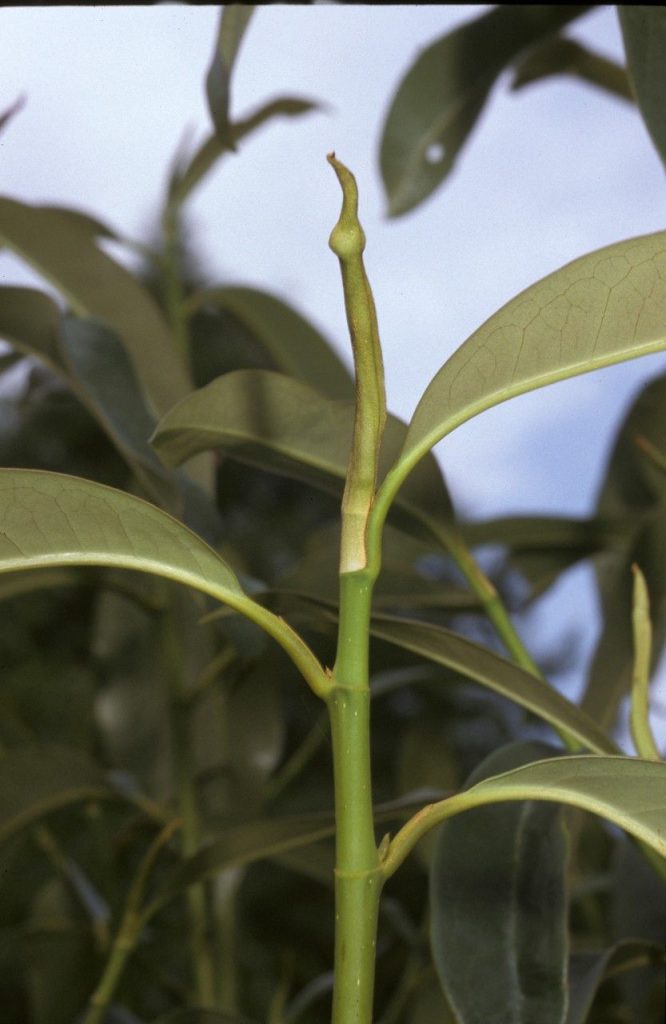
Propagating the Majestic Magnolia insignis: A Gardener’s Challenge
Introduction:
Magnolia insignis, also known as the Talauma insignis, is a truly magnificent magnolia species, captivating gardeners with its impressive size, fragrant flowers, and distinctive foliage. Native to the rainforests of Central America, it’s a relatively rare sight in cultivation, partly due to the challenges associated with its propagation. Its large size and unique characteristics make successful propagation a rewarding, though often difficult, endeavor, offering a unique sense of accomplishment for the dedicated grower. This article explores various propagation methods for Magnolia insignis, outlining their viability and associated challenges.
Seed Germination:
Currently, there are no known reliable methods for seed germination propagation of Magnolia insignis. While the species produces seeds, their germination rate is extremely low, often hampered by dormancy mechanisms not yet fully understood and the difficulty in maintaining the specific environmental conditions required for successful germination. Further research is needed to determine if specific pre-treatments, such as extended stratification periods or hormonal application, could improve germination success.
Cuttings:
Propagating Magnolia insignis via cuttings presents significant challenges but remains a more viable approach than seed germination.
Challenges: Magnolia cuttings are notoriously difficult to root, displaying low rooting success rates even under optimal conditions. The large leaves and relatively thick stems further increase water loss, hindering root development.
Practical Tips: Semi-hardwood cuttings taken in late summer or early autumn, using a rooting hormone and mist propagation system, offer the highest probability of success. Care should be taken to minimize stress during the cutting process to preserve the water balance of the cuttings. High humidity and bottom heat are critical to enhance rooting. A well-draining, sterile rooting medium is crucial.
Rewards: Successful rooting of Magnolia insignis cuttings allows for the clonal propagation of desirable traits, preserving the unique characteristics of a mother plant, whether it be exceptional flower colour or disease resistance.
Division:
Division is generally not a practical method for propagating Magnolia insignis. Its large size and deep root system make dividing the plant into viable sections incredibly difficult and damaging to the mother plant, rendering it significantly less viable.
Tissue Culture:
Tissue culture offers the potential for large-scale propagation of Magnolia insignis, though it demands specialized equipment, expertise, and aseptic techniques.
Challenges: Establishing aseptic cultures can be tricky due to the susceptibility of magnolia tissues to contamination. Optimizing growth media and hormonal treatments to promote shoot multiplication and later rooting is a complex process requiring considerable experimentation.
Practical Tips: A well-equipped tissue culture laboratory, practiced sterile techniques, as well as knowledge of plant tissue culture principles are essential prerequisites.
Rewards: Tissue culture provides a reliable, large-scale propagation strategy, allowing for the widespread distribution of this rare and beautiful magnolia, as well as potentially rapid advancement of conservation efforts through mass propagation of rare specimens.
Conclusion:
Propagating Magnolia insignis is undeniably challenging, regardless of the chosen method. Seed germination currently seems improbable, while cuttings present a significant challenge to even experienced propagators, demanding patience, skill and a high tolerance for failure. Tissue culture offers the most promising path for large-scale propagation, although it requires specialized facilities and expertise. Yet, the very difficulty of cultivating this magnificent tree contributes to the immense satisfaction derived from successfully growing it from cutting, the result of dedicated perseverance and expert care. The rewards—a majestic tree with its unique beauty—make the arduous process worthwhile. For aspiring propagators, remember that patience and meticulous attention to detail are paramount, and even experienced growers may witness low initial success. Do not be discouraged, for the eventual triumph will be all the sweeter.