
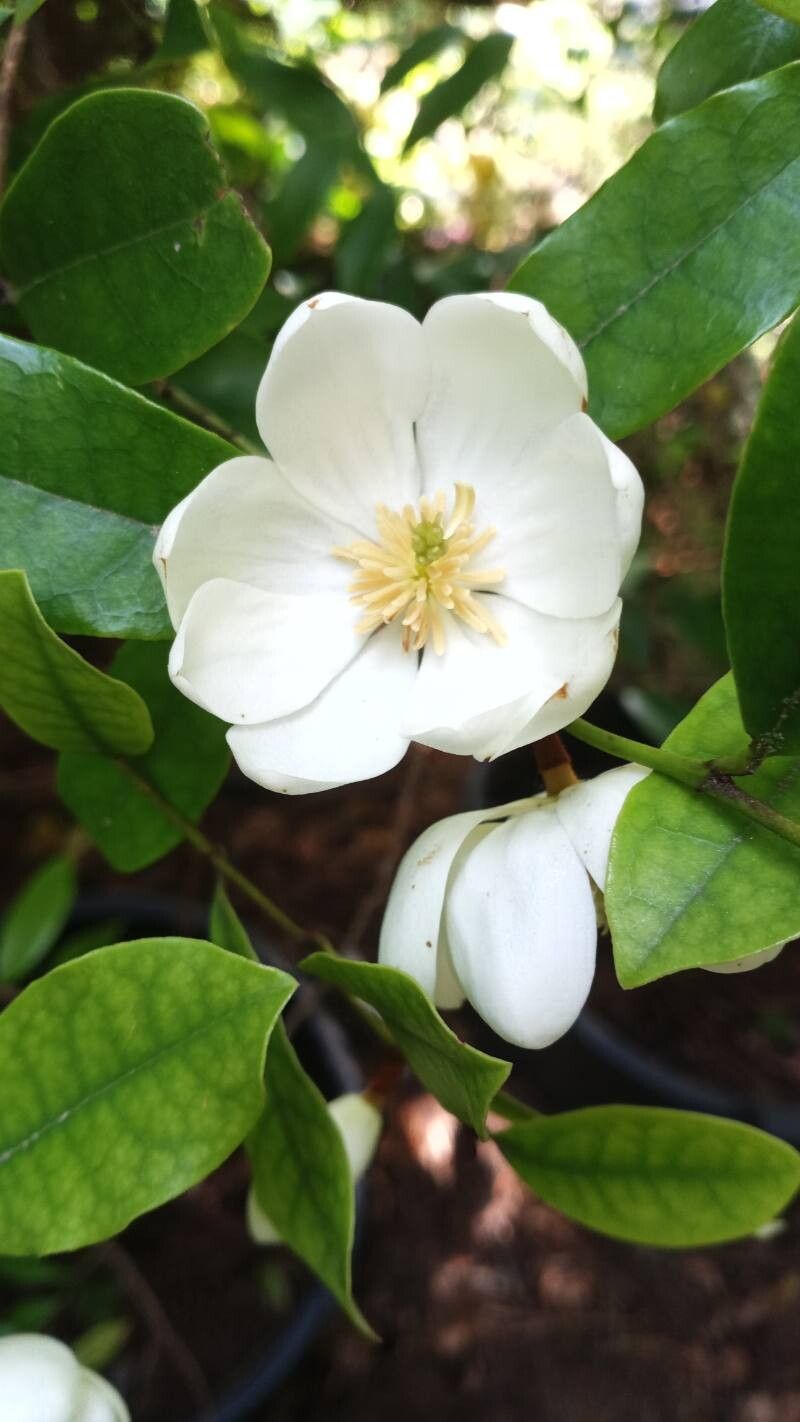
Unlocking the Secrets of Magnolia laevifolia Propagation: A Guide for Every Gardener
The Magnolia laevifolia, with its glossy evergreen foliage and captivating, fragrant blooms, is truly a sight to behold. This stunning species, native to the mountains of southwestern China and Vietnam, can transform your garden into a sensory haven. But have you ever thought about propagating this magnificent tree and expanding its presence in your landscape? It might seem daunting, but fear not! This guide will unlock the secrets of Magnolia laevifolia propagation and empower you to grow new plants from your beloved tree.
Understanding the Basics
Before we delve into the methods, let’s understand the timing. The best time to take cuttings or collect seeds is late spring or early summer, when the plant is actively growing. Patience is key with Magnolia laevifolia propagation; it’s a rewarding but often slow process.
Method 1: Propagation from Seed
- Collecting Seeds: Locate ripe seed pods on your Magnolia laevifolia. The pods will be brown and beginning to split open, revealing bright red seeds inside. Collect the seeds and remove the fleshy red coating.
- Stratification (Cold Treatment): Magnolia seeds require a period of cold treatment to simulate winter conditions and break dormancy. Place the cleaned seeds in a moist mixture of peat moss and vermiculite, then seal them in a plastic bag and refrigerate for 2-3 months.
- Sowing: After stratification, sow the seeds in a tray filled with a seed-starting mix. Gently press them into the soil, leaving about an inch between each seed. Mist the soil with water and maintain a consistent level of moisture.
- Patience is Key: Seed germination can take several weeks or even months. Once the seedlings emerge and have a few sets of true leaves, you can carefully transplant them into individual pots.
Method 2: Propagation from Cuttings
- Taking Cuttings: Using clean, sharp pruning shears, choose healthy, non-flowering stems from the current year’s growth. Each cutting should be about 4-6 inches long.
- Prepare the Cuttings: Remove the leaves from the lower half of each cutting. Dip the cut end in rooting hormone powder to encourage root development.
- Potting the Cuttings: Plant the cuttings in a well-draining potting mix, burying the bottom node (where the leaves were removed) in the soil.
- Creating a Humid Environment: Cover the pot with a clear plastic bag or humidity dome to create a warm, humid environment essential for root development. Mist the cuttings regularly and ensure the soil remains slightly moist.
- Transplanting: After several weeks, gently tug on the cuttings to check for root development. Once the roots have established, you can transplant them into individual pots.
Nurturing Your New Magnolia laevifolia
Whether you choose seed propagation or cuttings, the care you provide in the initial stages is crucial for success. Provide your young Magnolia laevifolia with:
- Well-Draining Soil: Choose a soil mix that allows water to drain freely to prevent root rot.
- Partial Shade: Young plants prefer partial shade, especially during the hottest hours of the day.
- Regular Watering: Keep the soil consistently moist but not waterlogged.
- Protection from Frost: Magnolia laevifolia are sensitive to frost, so protect your young plants during the colder months.
Propagating your Magnolia laevifolia might require patience and dedication, but the rewards are well worth the effort. Imagine the satisfaction of nurturing a new generation of these magnificent trees, ensuring their beauty continues to grace your garden for years to come. So, gather your tools, embrace the challenge, and embark on this rewarding horticultural adventure!