
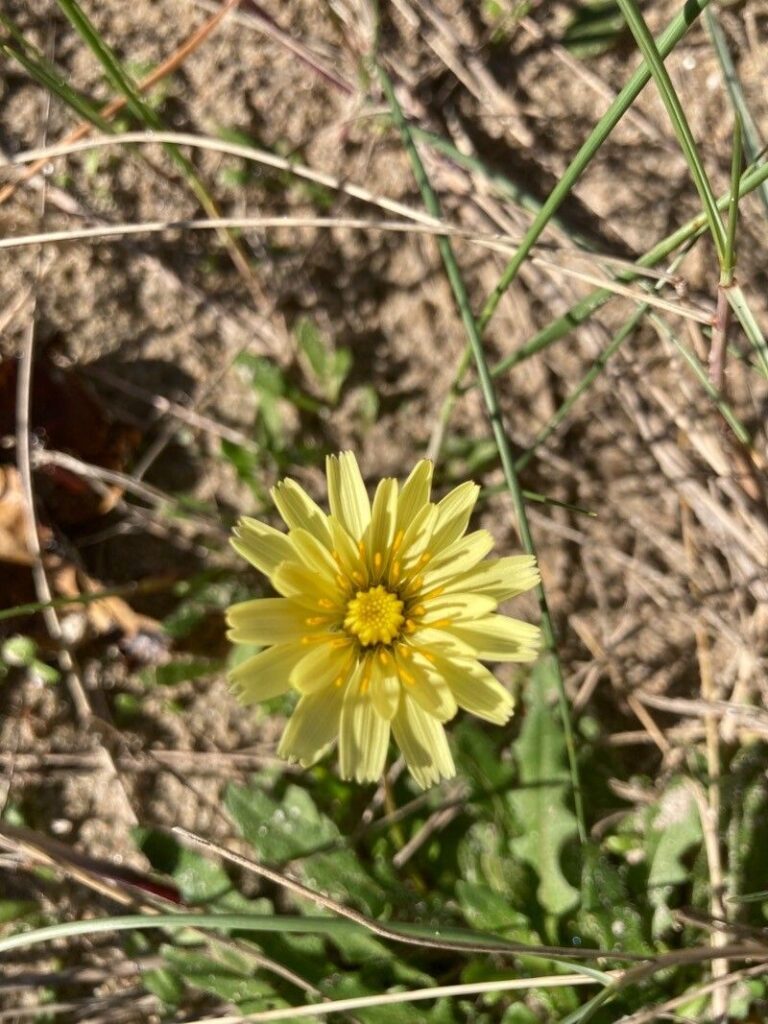
From Seeds to Blooms: Discovering the Joy of Malacothrix fendleri Propagation
Malacothrix fendleri, a charming wildflower with vibrant yellow blooms, is gaining popularity among gardeners for its drought-tolerant nature and stunning visual appeal. But beyond its beauty lies a fascinating world of propagation, allowing you to easily expand your garden with these delightful plants.
Whether you’re a seasoned gardener or just starting out, propagating Malacothrix fendleri is a rewarding experience. This guide will equip you with the knowledge and techniques to cultivate this native American treasure.
The Seeds of Success
Malacothrix fendleri readily reproduces via seeds, making it a fantastic choice for home propagation. The seed-bearing heads, appearing after the flowers fade, are filled with tiny, fluffy seeds. You can collect them directly from your existing plants or purchase them from trusted nurseries.
Timing is Key
While you can sow Malacothrix fendleri seeds almost year-round in mild climates, spring is generally the most favorable time for germination. The cool temperatures and moist soil provide optimal growing conditions.
Direct Sowing: A Hands-Off Approach
For a straightforward propagation method, direct sowing is a great option. Choose a sunny location with well-drained soil and lightly scatter the seeds directly into the ground. A gentle rake will ensure they are slightly covered with soil. Keep the soil consistently moist but not waterlogged. Germination can take a few weeks, so patience is key!
Starting Indoors: Early Blooms and Increased Control
For a head start and more control over your Malacothrix fendleri seedlings, starting indoors is a great option.
- Seed Starter Mix: Select a seed starting mix designed for delicate seeds.
- Seed Trays: Fill seed trays or pots with the mix, leaving a small space at the top.
- Sowing: Scatter a few seeds per cell or pot and lightly cover with soil.
- Watering: Mist the soil gently to maintain moisture.
- Light: Place your trays under grow lights or a sunny windowsill.
- Thinning: Once the seedlings develop their true leaves, carefully thin them, leaving the strongest seedling in each cell.
- Hardening Off: Before transplanting outdoors, gradually accustom your seedlings to the outdoor environment by placing them in a sheltered area for increasing time periods. This process is known as “hardening off.”
Transplanting Time
When the seedlings are about 4-6 inches tall and the threat of frost has passed, it’s time to transplant them into your garden. Dig a hole slightly larger than the root ball, gently remove the seedling from its container, and carefully place it in the hole. Backfill the hole with soil, firming it around the roots.
Cultivating your Malacothrix fendleri Success
Once your seedlings are in their permanent location, they require minimal care. A light watering whenever the soil dries out is usually sufficient. Regular watering is particularly important during the establishment phase until the plants have developed a strong root system.
Malacothrix fendleri is known for its resilience and adaptability. With a little care and attention, you’ll be reward with stunning yellow blooms throughout the growing season, adding a touch of native charm to your garden.
Enjoy Your Blossoms
As your Malacothrix fendleri plants mature, they will attract pollinators like bees and butterflies, enriching the biodiversity of your garden. The joy of watching these delicate wildflowers flourish, knowing you nurtured them from seed to bloom, is a reward that surpasses any other. Now, get out there and start propagating your own patch of Malacothrix fendleri, a small act that can contribute to a more beautiful and biodiverse world.