
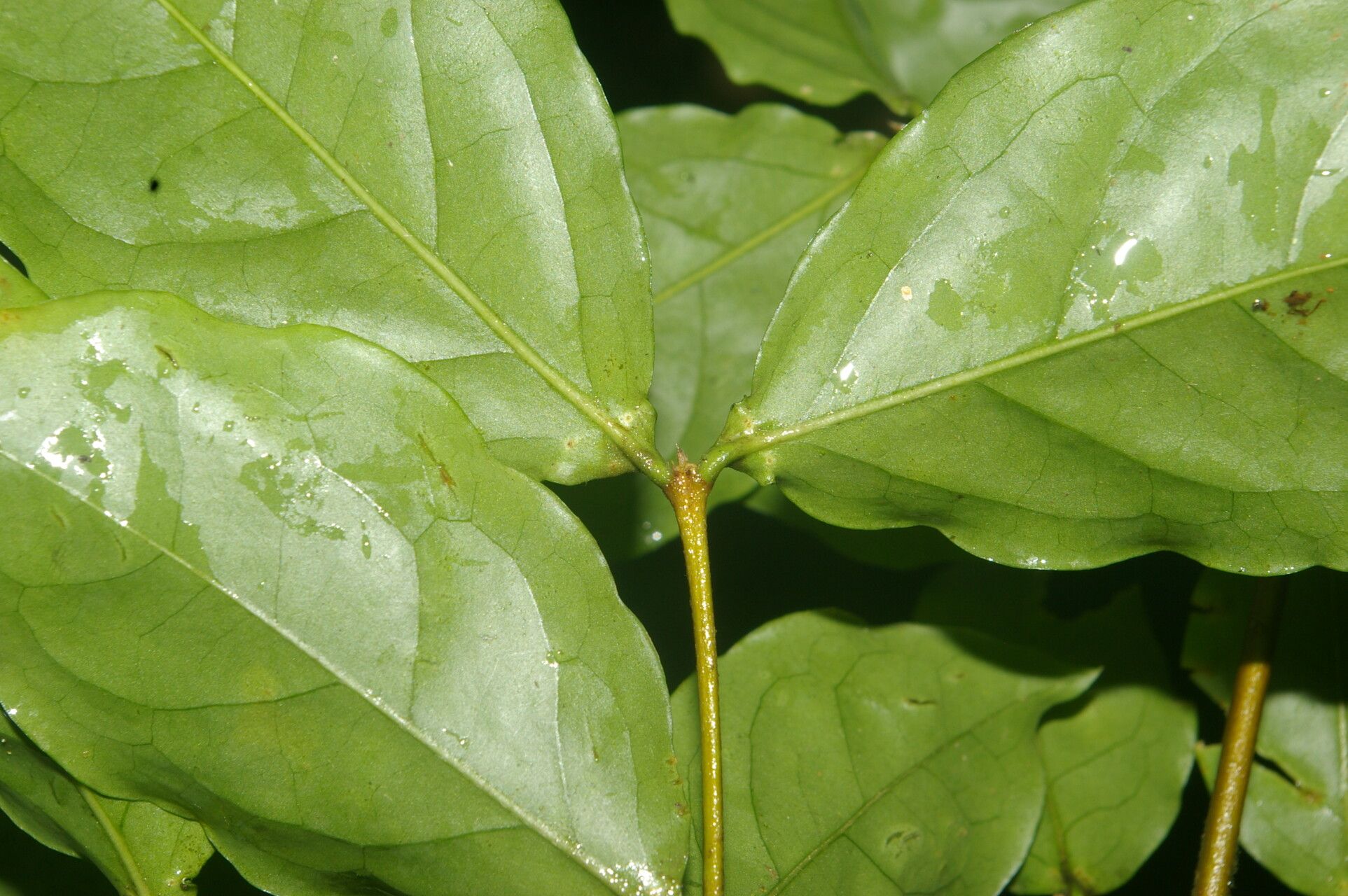
Propagating the White-Flowered Acerola: A Gardener’s Guide to Malpighia albiflora
Malpighia albiflora, also known as the white-flowered acerola or simply white acerola, is a captivating shrub prized for its delicate white flowers and, in some varieties, the pleasantly tart, red acerola-like fruits. Its relatively compact size and attractive foliage make it a popular choice for landscaping, particularly in tropical and subtropical gardens. While not as widely cultivated as its red-flowered cousin, Malpighia emarginata, its unique aesthetic qualities have led to growing interest among gardeners seeking diverse plant options. However, propagating Malpighia albiflora presents unique challenges, making success all the more rewarding.
Seed Germination:
Currently, there are no known reliable methods for seed germination propagation of Malpighia albiflora. While seeds may be produced, germination rates are extremely low, even under optimal conditions. This is likely due to factors such as underdeveloped embryos or the need for specific environmental cues not yet identified.
Cuttings:
Cuttings present a significantly more viable option for propagating Malpighia albiflora.
Challenges: The primary challenge lies in achieving successful rooting. The success rate may vary depending on the age and health of the parent plant, the type of cutting (softwood, semi-hardwood, or hardwood), and the propagation environment.
Practical Tips: Semi-hardwood cuttings, taken during spring or early summer, typically perform best. These cuttings should be approximately 4-6 inches long, with several leaves retained at the top. To increase the chances of success, use a rooting hormone, plant the cuttings in a well-draining propagation mix (e.g., a mix of perlite and peat moss), and maintain high humidity levels. A mist propagation system or covering with a clear plastic dome can significantly improve success rates.
Rewards: Cuttings offer a relatively straightforward method for producing genetically identical plants, ensuring consistent flower and fruit characteristics. This is especially beneficial for preserving desirable cultivars.
Division:
Division is generally not a practical method for propagating Malpighia albiflora. This species doesn’t readily produce the type of clumping growth that lends itself to successful division.
Tissue Culture:
Tissue culture offers the potential for large-scale propagation of Malpighia albiflora, overcoming the difficulties associated with other methods.
Challenges: This technique requires specialized equipment, expertise, and a sterile environment to prevent contamination. Establishing optimal culture media and growth conditions for Malpighia albiflora might require experimentation.
Practical Tips: Experts in plant tissue culture can use techniques to establish sterile plantlets from a small sample of plant tissue. This allows for rapid multiplication.
Rewards: Tissue culture is ideal for mass production of genetically identical plants, useful for commercial propagation or conservation efforts. It can also be used to eliminate diseases.
Conclusion:
Propagating Malpighia albiflora presents unique challenges, highlighting the need for patience and persistence. While seed propagation appears ineffective, cuttings offer a relatively accessible method, albeit with a variable success rate. Tissue culture provides a superior, albeit technically demanding, solution for large-scale propagation. The rewards of successfully cultivating this beautiful plant, however, far outweigh the difficulties involved. The pristine white blooms and the potential bounty of unique fruit make it a worthwhile undertaking for any dedicated gardener. Remember, experimentation and meticulous attention to detail are key to success – don’t be discouraged by initial setbacks, and enjoy the journey of learning and growing alongside your Malpighia albiflora.