
Propagating Orthosiphon thymiflorus: Java Tea’s Propagation Puzzles
Introduction
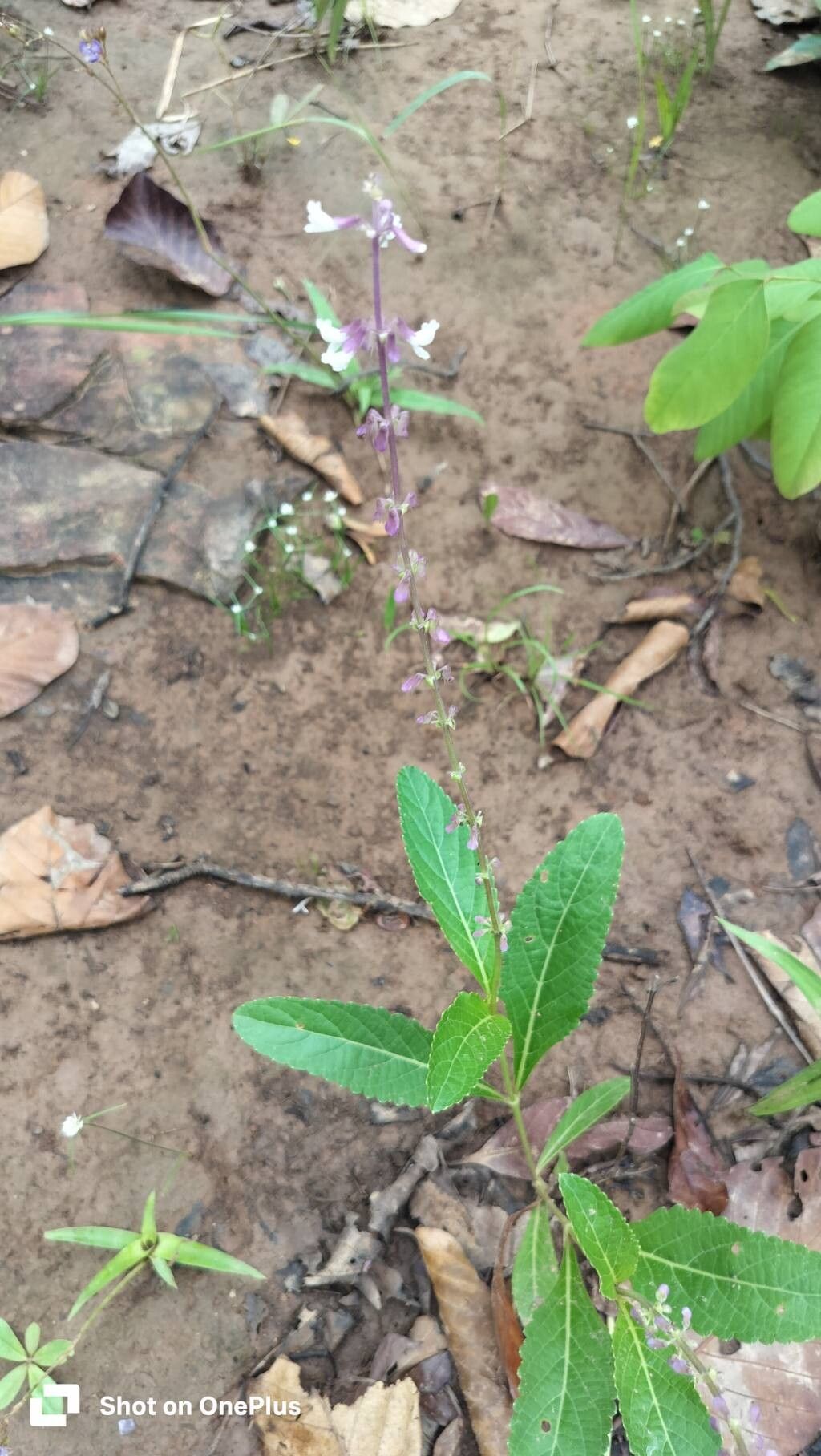
Orthosiphon thymiflorus, commonly known as Java tea, is a captivating perennial herb prized for its attractive lavender flowers and purported health benefits. Its square stems, oppositely arranged leaves with serrated edges, and striking inflorescences make it a popular choice among home gardeners and herbal enthusiasts. However, propagating this fascinating plant presents unique challenges, demanding patience and a nuanced approach. Unlike some readily propagated herbs, Java tea’s propagation requires careful consideration of several methods.
Seed Germination
Currently, there are no known reliable methods for seed germination propagation of Orthosiphon thymiflorus. While seeds may be produced, their germination rate is extremely low, and successful seedling establishment is rarely reported in horticultural settings. Further research is needed to determine if specific pre-treatment techniques (such as scarification or stratification) could improve germination rates.
Cuttings
Cuttings represent a more viable method for propagating Orthosiphon thymiflorus.
Challenges: Rooting success can be inconsistent, requiring attention to detail. The optimal time for taking cuttings is during the active growing season (spring or summer). Wilting is a significant concern, particularly if humidity levels aren’t adequately maintained.
Practical Tips: Take semi-hardwood cuttings (about 4-6 inches long) from healthy, non-flowering stems. Remove lower leaves to prevent rot. Dip the cut ends in rooting hormone to stimulate root development. Plant the cuttings in a well-draining propagation mix, keeping the humidity high (e.g., using a propagation dome or regularly misting). Ensure adequate but indirect sunlight. Bottom heat can also improve rooting success.
Rewards: Cuttings offer a relatively straightforward way to produce genetically identical copies of a mother plant with desirable characteristics. This method is suitable for both small-scale home propagation and larger-scale cultivation if sufficient stock plants are available.
Division
Division is another feasible propagation method, particularly for established plants.
Challenges: Mature Java tea plants may not be easily divided, especially if their root systems are deeply established or intertwined. Care must be taken to avoid damaging the roots during the division process, leading to plant stress or failure to re-establish.
Practical Tips: Division is best carried out in spring or autumn when the plant enters a period of active growth or milder temperatures that aids recovery. Carefully dig up the plant, gently separate it into sections, ensuring each division has sufficient roots and stems. Replant the divided sections in well-prepared soil, ensuring adequate watering and shade until they become established.
Rewards: Division provides a rapid way to increase the number of plants, preserving the genetic characteristics of the parent plant. It’s particularly useful for established, healthy specimens.
Tissue Culture
Tissue culture offers a potential method for large-scale propagation of Orthosiphon thymiflorus, overcoming some limitations of other methods.
Challenges: Establishing a successful tissue culture protocol for Java tea may require significant expertise and specialized equipment. Sterile conditions are critical to prevent contamination. Optimizing the nutrient medium and growth regulators for shoot multiplication and rooting can be highly specific to the species and require considerable experimentation.
Practical Tips: This is a technique best left to experienced tissue culture labs or researchers.
Rewards: Tissue culture allows for the rapid mass production of genetically uniform plants, potentially leading to the establishment of standardized cultivars. It also allows for disease elimination and the potential for genetic improvement through techniques such as meristem culture.
Conclusion
Propagating Orthosiphon thymiflorus presents unique challenges across all methods. While seed propagation is currently considered unreliable, cuttings and division offer viable options for home gardeners, demanding attention to detail and patience. Tissue culture presents the potential for large-scale propagation but requires specialized expertise. The reward of successfully cultivating this beautiful and potentially beneficial herb, however, justifies the effort. The sense of accomplishment derived from nurturing a cutting from a small slip into a thriving plant, or from dividing a mature specimen, offers a unique and satisfying experience for any aspiring propagator. Don’t be discouraged by initial setbacks; persistence and careful observation are key to successfully propagating Java tea.