
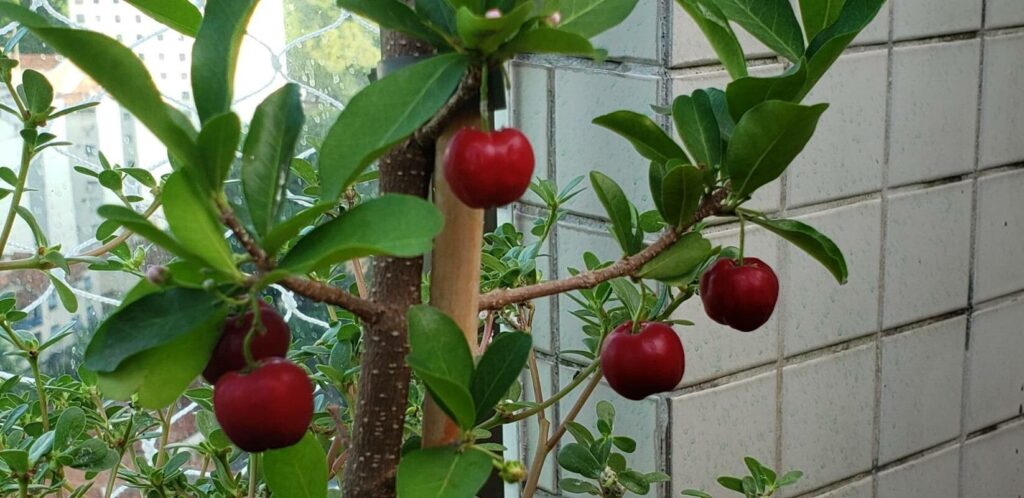
Beyond the Bite: How to Grow Your Own Acerola Cherry Tree
The Acerola cherry, with its vibrant crimson skin and tangy sweetness, is far more than just a delicious tropical treat. Packed with vitamin C and antioxidants, this superfood is increasingly popular in juices and supplements. But did you know you can easily grow your own Malpighia emarginata, the tree that bears these marvelous fruits, right in your home?
Propagating your own Acerola cherry tree is a rewarding experience, and it’s easier than you might think. This guide will walk you through the two most common techniques:
1. Starting from Seed:
- Seed Selection and Preparation: The first step is obtaining fresh, viable seeds. You can extract these from ripe Acerola cherries, ensuring they are clean and free from any fruit pulp. Soaking the seeds in lukewarm water for 24 hours can help soften the outer shell and encourage germination.
- Sowing the Seeds: Choose a well-draining seed starting mix and plant the seeds about half an inch deep in small pots or seedling trays. Keep the soil consistently moist but not waterlogged.
- Providing Optimal Conditions: Acerola seeds thrive in warm temperatures (around 75-85°F or 24-29°C). A sunny windowsill or a heated propagation mat can provide the necessary warmth. Germination can take anywhere from 2 to 6 weeks, so patience is key.
- Transplanting Seedlings: Once the seedlings develop a couple of sets of true leaves and are a few inches tall, they can be transplanted into larger pots filled with a well-draining potting mix.
2. Propagating from Cuttings:
- Taking the Cutting: This method involves taking a healthy, semi-hardwood cutting from an established Acerola tree. The cutting should be around 4-6 inches long and taken from the current season’s growth.
- Preparing the Cutting: Remove the leaves from the lower half of the cutting and dip the cut end in rooting hormone powder to encourage root development.
- Planting the Cutting: Choose a well-draining potting mix and insert the cutting into a small pot, burying the bottom few nodes.
- Creating a Humid Environment: Acerola cuttings root best in a humid environment. Cover the pot with a clear plastic bag or place it in a propagator to maintain high humidity.
- Rooting and Transplanting: Keep the potting mix consistently moist and provide bright, indirect light. Rooting can take several weeks. Once roots develop and new growth emerges, you can transplant the rooted cutting into a larger pot.
Tips for Success:
- Well-draining soil: Acerola trees prefer slightly acidic, well-draining soil to prevent root rot.
- Ample Sunlight: Place your Acerola tree in a location that receives at least 6 hours of direct sunlight daily for optimal growth and fruit production.
- Consistent Watering: Water deeply when the soil feels dry to the touch, allowing excess water to drain. Avoid overwatering, which can lead to root problems.
- Fertilization: Feed your Acerola tree regularly during the growing season with a balanced fertilizer to promote healthy growth and abundant fruiting.
Growing your own Acerola cherries is a rewarding way to enjoy the fresh, vitamin-packed fruit and add a touch of the tropics to your backyard or indoor garden. Whether you choose to start from seed or propagate from cuttings, with a little patience and care, you’ll soon be harvesting your own bountiful harvest of these delicious and nutritious fruits.