
Unearthing the Secrets of the Pacific Crabapple: Propagation Techniques for Malus fusca
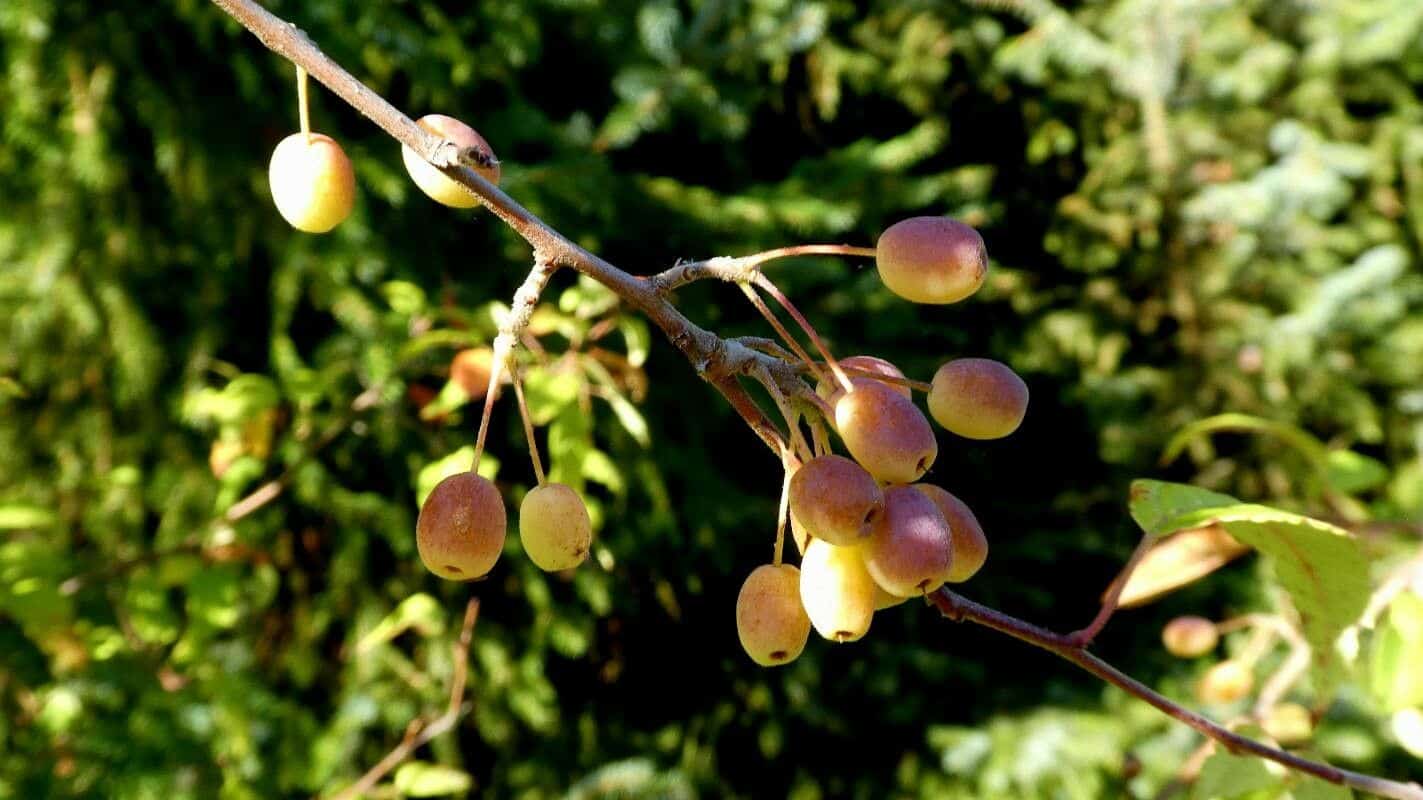
The Pacific crabapple, known scientifically as Malus fusca, is a captivating tree with its showy spring blossoms, vibrant autumn foliage, and unique, crabapple-like fruits. Native to the Pacific Northwest, this resilient tree thrives in moist environments and provides a feast for the eyes and local wildlife. If you’re eager to welcome the beauty of Malus fusca to your own landscape, understanding its propagation methods is key.
While acquiring a sapling from a nursery is always an option, propagating your own Pacific crabapple allows for a deeper connection with this beautiful tree. Let’s explore the two most effective methods: growing from seeds and taking cuttings.
1. The Patience of Seeds:
Propagating Malus fusca from seed is an exciting journey that requires a blend of patience and careful timing. Here’s a step-by-step guide:
- Collecting the Seeds: In autumn, gather the ripe fruits of the Pacific crabapple. Extract the seeds from the fruit pulp, ensuring they are clean and free from any debris.
- Stratification: A Winter’s Nap: Malus fusca seeds require cold stratification, a process mimicking winter conditions, to break their dormancy. To stratify the seeds, place them in a moist medium like sand or peat moss, seal them in a plastic bag, and store them in the refrigerator (around 4°C) for 90-120 days.
- Spring Awakening: Once spring arrives, remove the seeds from the refrigerator. Sow them in seed trays filled with a well-draining potting mix, covering them lightly with soil. Water gently and consistently, ensuring the soil remains moist but not waterlogged.
- Nurturing the Seedlings: Place the seed trays in a warm, bright location, out of direct sunlight. Once the seedlings emerge and develop a few sets of true leaves, they can be transplanted into individual pots. Remember to harden off the seedlings by gradually exposing them to outdoor conditions before finally planting them in their permanent location.
2. Taking the Shortcut: Cuttings:
Propagation from cuttings offers a faster route to establishing a new Malus fusca tree. This method involves taking a piece of a healthy branch and encouraging it to develop roots:
- Timing is Key: Early summer, when the new growth is semi-hardened, is the ideal time for taking cuttings.
- Selecting and Preparing Cuttings: Choose a healthy, disease-free branch. Using sharp, sterilized pruning shears, take a cutting approximately 10-15cm long, making a clean cut just below a leaf node. Remove the leaves from the bottom third of the cutting.
- Encouraging Rooting: To enhance root development, dip the cut end of the cutting in rooting hormone powder (optional but recommended). Plant the cuttings in pots filled with a well-draining rooting mix, burying the bottom third of the cutting in the medium.
- Creating a Humid Environment: To keep the humidity high, cover the pots with a plastic bag or place them in a propagator. Maintain consistent moisture levels and provide bright, indirect light.
- Transplanting Success: After a few weeks, gently tug on the cuttings. If you feel resistance, it signifies root development. Once the cuttings are well-rooted, gradually acclimatize them to outdoor conditions before transplanting them to their permanent location.
Whether you choose the meticulous process of seed propagation or the quicker route of cuttings, seeing your very own Malus fusca thrive is a rewarding experience. With a little patience and care, you can successfully propagate this beautiful tree and enjoy its presence in your landscape for years to come. Happy planting!