
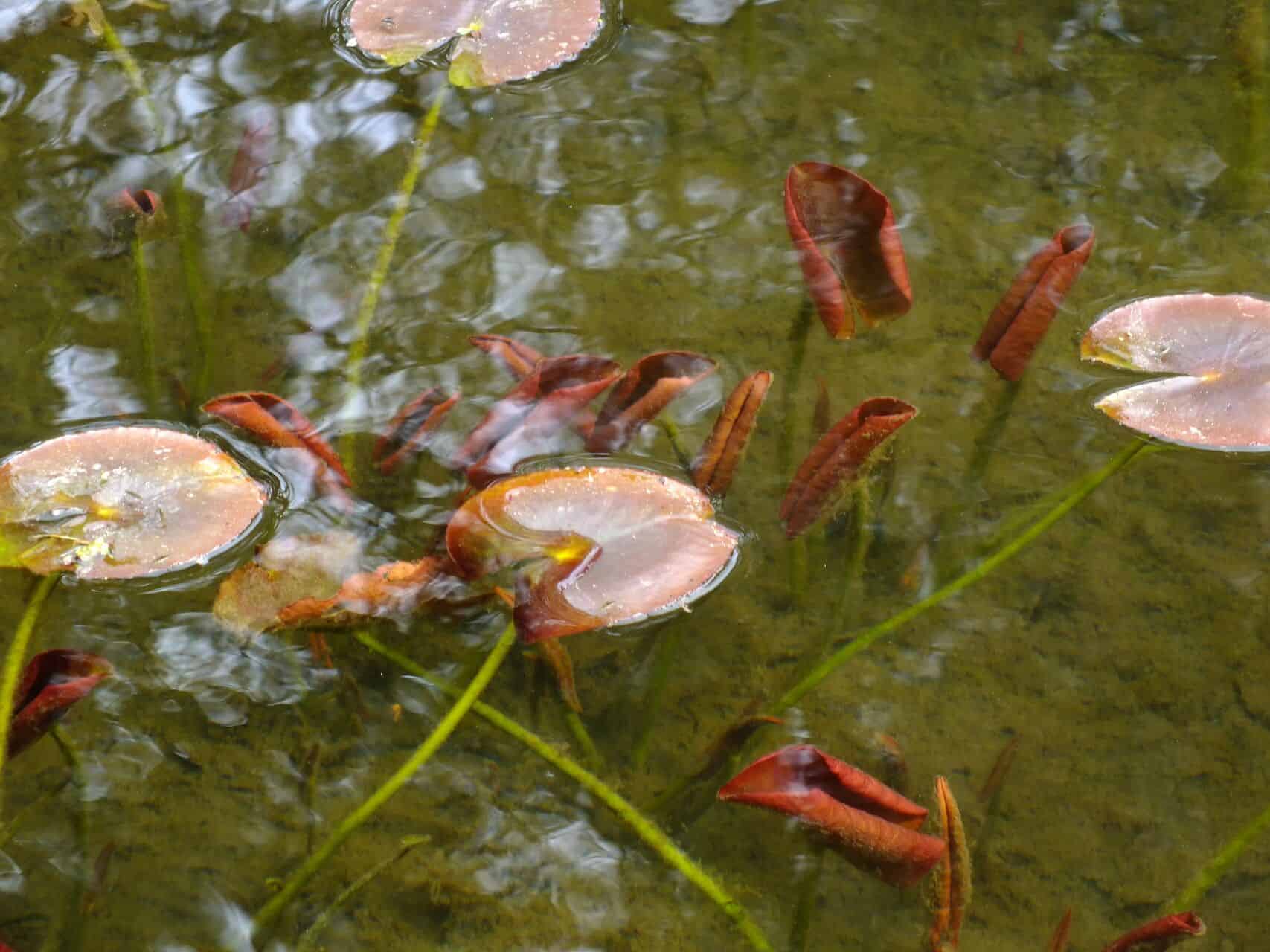
Unlocking the Secrets of the Least Water Lily: Propagating Nuphar Pumila
The Least Water Lily (Nuphar pumila), a petite cousin of the showier water lilies, offers a unique charm to any pond or water feature. Its delicate yellow blossoms and floating heart-shaped leaves bring a touch of untamed beauty to aquatic environments. If you’re enchanted by this miniature marvel and eager to expand its presence in your water garden, you’re in luck! Propagating Nuphar pumila isn’t just possible, it’s an adventure in itself, offering two distinct paths to success: seeds and division.
1. The Art of Seed Propagation
Hidden within those cheerful yellow blooms lies the potential for a new generation of Nuphar pumila. Here’s how to coax those seeds to life:
- Collection: As the flowers fade, keep a watchful eye out for the development of small, berry-like fruits. Once they ripen and soften, carefully collect them and extract the seeds.
- Seed Treatment: Nuphar pumila seeds benefit from a period of cold stratification to mimic natural winter conditions. Place the seeds in a damp paper towel within a sealed plastic bag and store them in your refrigerator for 4-6 weeks.
- Sowing: After stratification, fill small pots with a mixture of loam and aquatic compost. Sow the seeds on the surface, lightly pressing them into the soil.
- Submergence: Place the pots in a shallow tray filled with water, ensuring the soil remains consistently moist. Choose a bright location out of direct sunlight.
- Patience is Key: Germination can be slow, taking anywhere from a few weeks to a couple of months. Once the seedlings develop a few sets of leaves, they can be carefully transferred to larger pots or directly into your pond.
2. The Efficiency of Division
For a quicker and arguably simpler approach, division provides a reliable way to propagate Nuphar pumila:
- Timing is Everything: Spring, when the plant shows signs of new growth, is the ideal time for division.
- Unearthing the Rhizomes: Gently remove the plant from its pot or the pond. Look for healthy sections of rhizome, the thick, horizontal stems that grow beneath the soil.
- Divide and Conquer: Using a sharp, clean knife or shears, divide the rhizome into sections, ensuring each portion has a few growing points or buds.
Replanting: Repot the divisions into pots filled with a heavy loam and aquatic compost mixture, or directly into the pond’s substrate. Ensure the growing points are facing upwards.
Essential Care for Thriving Nuphar Pumila
Regardless of your chosen propagation method, a few key care tips will help your Nuphar pumila flourish:
- Sunlight Requirements: While tolerant of some shade, Nuphar pumila thrives in full sun to partial shade. Aim for at least 4-6 hours of direct sunlight daily.
- Water Depth: Plant Nuphar pumila in water depths of 15-30 cm (6-12 inches). Ensure the leaves are floating on the surface.
- Fertilization: Boost growth and flowering by using aquatic plant fertilizer tablets. Follow package instructions for the appropriate dosage and frequency.
Propagating Nuphar pumila isn’t just about multiplying your plants, it’s about connecting with nature’s delicate beauty. The process, whether from seed or division, is a fulfilling experience, reminding us of the magic of life cycles and the rewards of nurturing growth in our own aquatic havens. So, take the plunge, explore these propagation techniques, and watch as your Nuphar pumila transforms your water garden into a haven of miniature elegance.