
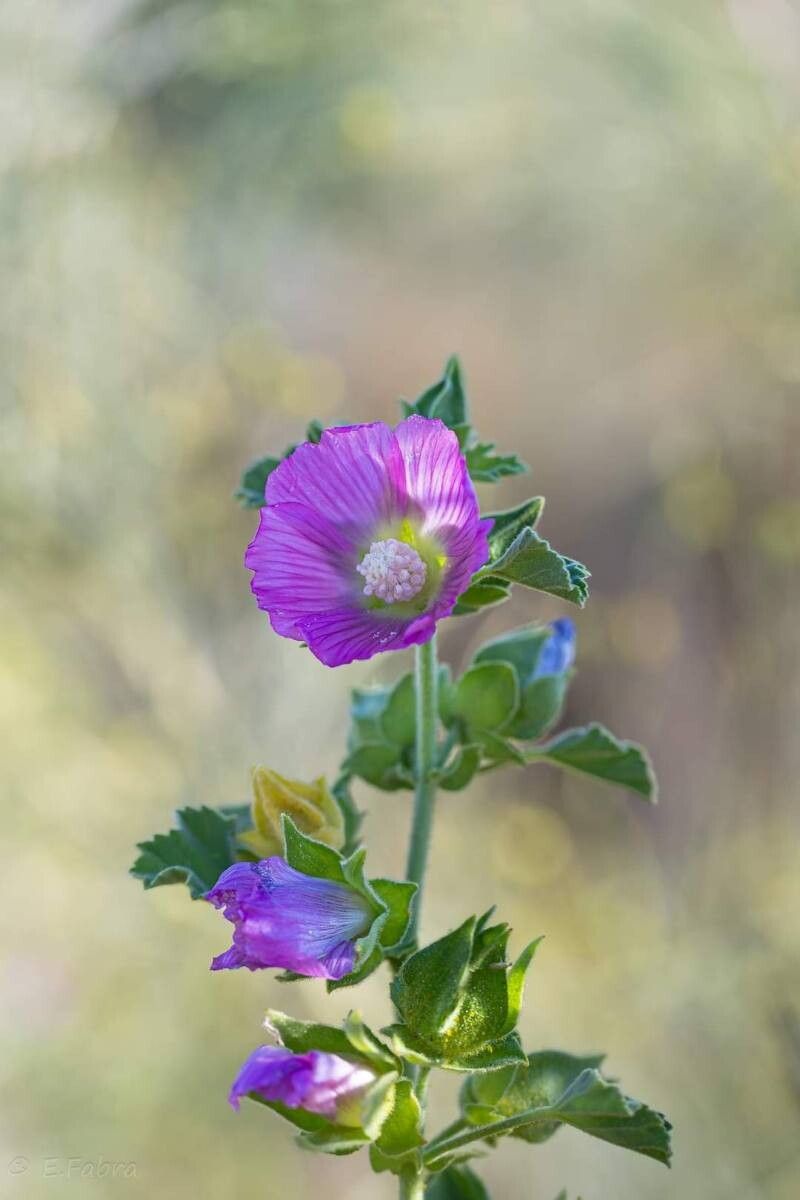
Unleashing the Beauty of Malva lusitanica: A Guide to Propagation
Malva lusitanica, also known as the French Mallow or annual mallow, is a charming plant boasting vibrant saucer-shaped flowers that range from soft pink to a deep magenta. This easy-to-grow annual is a favorite among gardeners looking to add a touch of whimsical beauty and pollinator appeal to their gardens.
But did you know that propagating Malva lusitanica is remarkably simple? Whether you want to expand your existing patch or share its loveliness with friends, this guide will equip you with the know-how for successful propagation.
Two Paths to Propagation Success
There are two primary methods for propagating Malva lusitanica:
1. Seed Propagation: A Journey From Tiny Seeds to Bountiful Blooms
Perhaps the most straightforward method, seed propagation offers immense satisfaction in nurturing a plant from its earliest stage. Here’s how:
- Seed Collection: As your Malva lusitanica blooms wane, you’ll notice small, round seed pods forming. Allow these pods to dry completely on the plant, turning brown and slightly papery. Gently crack them open to reveal the tiny, black seeds within.
- Sowing Time: You can sow Malva lusitanica seeds directly outdoors after the last frost, or start them indoors 6-8 weeks before the last expected frost for earlier blooms.
- Sowing Technique: Scatter the seeds on the surface of well-draining soil and lightly press them in. They need light to germinate, so avoid burying them deeply.
- Germination Conditions: Keep the soil consistently moist but not waterlogged. Warm temperatures between 65-75°F (18-24°C) are ideal for germination, which usually occurs within 10-14 days.
- Thinning: Once the seedlings develop a few sets of true leaves, thin them out to provide adequate spacing for growth, leaving the strongest seedlings in place.
2. Cutting Propagation: Creating Clones for a Unified Display
For those who enjoy a hands-on approach, propagating from cuttings offers a quicker route to mature plants. Here’s what you need to know:
- Timing is Key: Take cuttings in the spring or early summer from healthy, non-flowering stems.
- Making the Cut: Using a sharp, clean knife or pair of pruning shears, cut a 4-6 inch section just below a leaf node.
- Prepare the Cutting: Remove the lower leaves from the cutting, leaving only a few at the top.
- Encourage Root Development: Dip the cut end in rooting hormone (optional but beneficial). Plant the cutting in a pot filled with a well-draining seed starting mix or a blend of peat moss and perlite.
- Creating the Right Environment: Maintain humidity by covering the pot with a plastic bag or placing it in a propagator. Ensure the soil remains consistently moist.
- Signs of Success: After about 4-6 weeks, gently tug on the cutting. Resistance indicates root development.
Nurturing Your New Malva Lusitanica
Regardless of the propagation method you choose, providing the right care is essential for healthy plants:
- Sunlight: Malva lusitanica thrives in full sun to partial shade.
- Watering: Water regularly, especially during dry periods, to keep the soil consistently moist but not waterlogged.
- Soil: Well-draining soil is crucial. Amend heavy clay soils with compost or other organic matter.
- Fertilizer: While not a heavy feeder, a light application of a balanced fertilizer during the growing season can be beneficial.
By following these simple steps, you can effortlessly multiply your Malva lusitanica and embrace the rewarding experience of propagation. Every successful seedling or cutting serves as a testament to your dedication and fills your garden with vibrant color and life.