
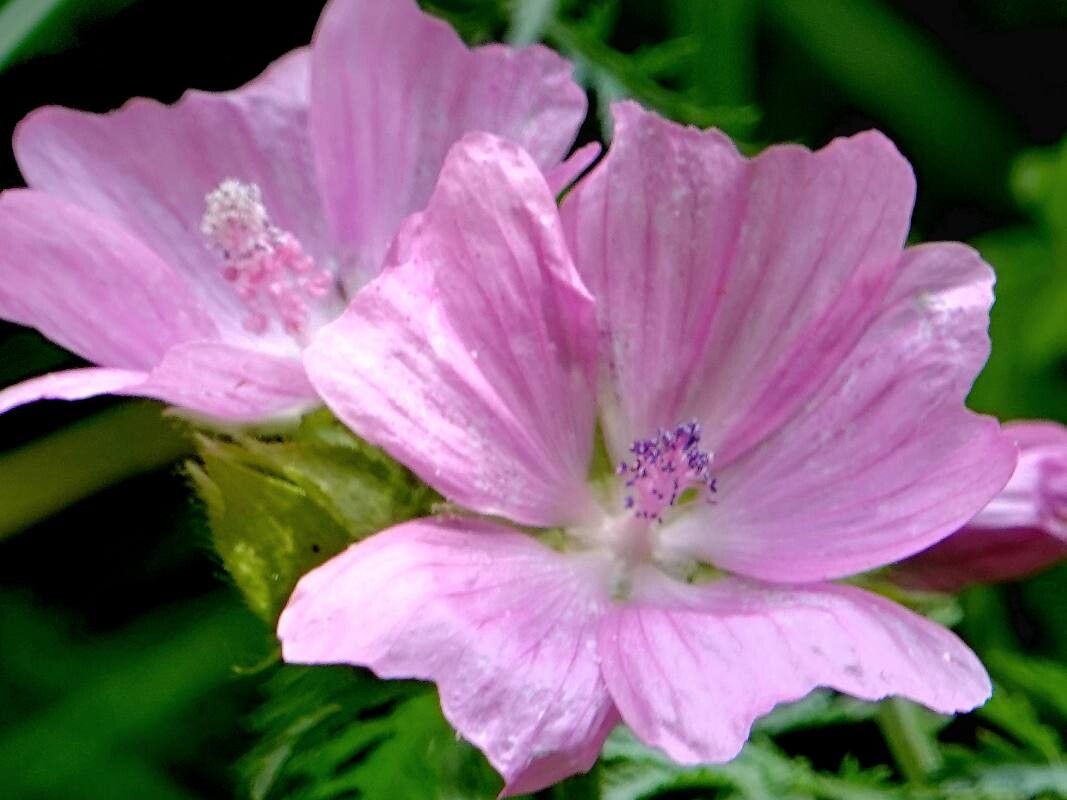
From Seed to Sweet Scent: Propagating the Musk Mallow (Malva moschata)
The musk mallow (Malva moschata), with its delicate blooms and intoxicating fragrance, is a delight to any garden. Its charming pink or white flowers, reminiscent of tiny rosebuds, attract pollinators and add a touch of whimsy to any landscape. While you can easily purchase musk mallow plants, the joy of propagation, whether from seed or cuttings, adds another layer of satisfaction to gardening.
Starting from Seed:
The musk mallow is a prolific seed producer, and starting them from seed is a rewarding experience. Here’s how to go about it:
- Timing: Sow seeds directly outdoors in early spring after the last frost, or you can start them indoors 6-8 weeks before the last frost.
- Soil: Prepare a well-drained, slightly acidic soil.
- Direct Sowing: Scatter seeds thinly on the surface of the soil, cover lightly with a fine layer of soil, and gently water. Thin seedlings to 12 inches apart once they emerge.
- Indoor Sowing: Use seed trays filled with seed-starting mix and follow the same sowing and watering instructions as above.
Important Note: Musk mallow seeds can take several weeks to germinate, so patience is key!
From Cutting to Bloom:
For a quicker gratification, propagating the musk mallow from cuttings is another viable method:
- Timing: The best time to take cuttings is in early summer, when the plant is actively growing.
- Selection: Choose healthy, non-flowering stems, with at least two nodes (the points where leaves grow).
- Preparation: Cut stems 4-6 inches long, just below a node. Remove the lower leaves and make a clean cut at the base.
- Rooting: Dip the cut end of the stem in rooting hormone (optional) and place it in a pot or tray filled with a rooting medium, such as peat moss or vermiculite. Keep the medium moist but not waterlogged.
- Care: Cover the pot with a plastic dome or bag to create a humid environment. Place the pot in a bright, indirect light location.
Root Confirmation and Planting:
- Check for Roots: After a few weeks, gently tug the stem to see if it has rooted. If the stem comes out easily, leave it to root for another couple of weeks.
Transplant: Once the cuttings have established healthy roots, transplant them into the garden or larger pots.
Essential Tips to Keep in Mind:
- Sunlight: While the musk mallow enjoys full sun, some afternoon shade can be beneficial especially in hot climates.
- Watering: Water regularly, especially during dry spells, but avoid overwatering.
- Deadheading: Deadhead spent flowers to encourage continuous bloom.
- Winter Care: In colder climates, the musk mallow may die back in winter but will re-emerge from the rootstock in spring. You can also divide the plant in spring for increased propagation.
Propagating the musk mallow from seed or cuttings is a rewarding process for gardeners of all levels. Enjoy the journey from seed to sweet scent and embrace the beauty of these enchanting flowers.