
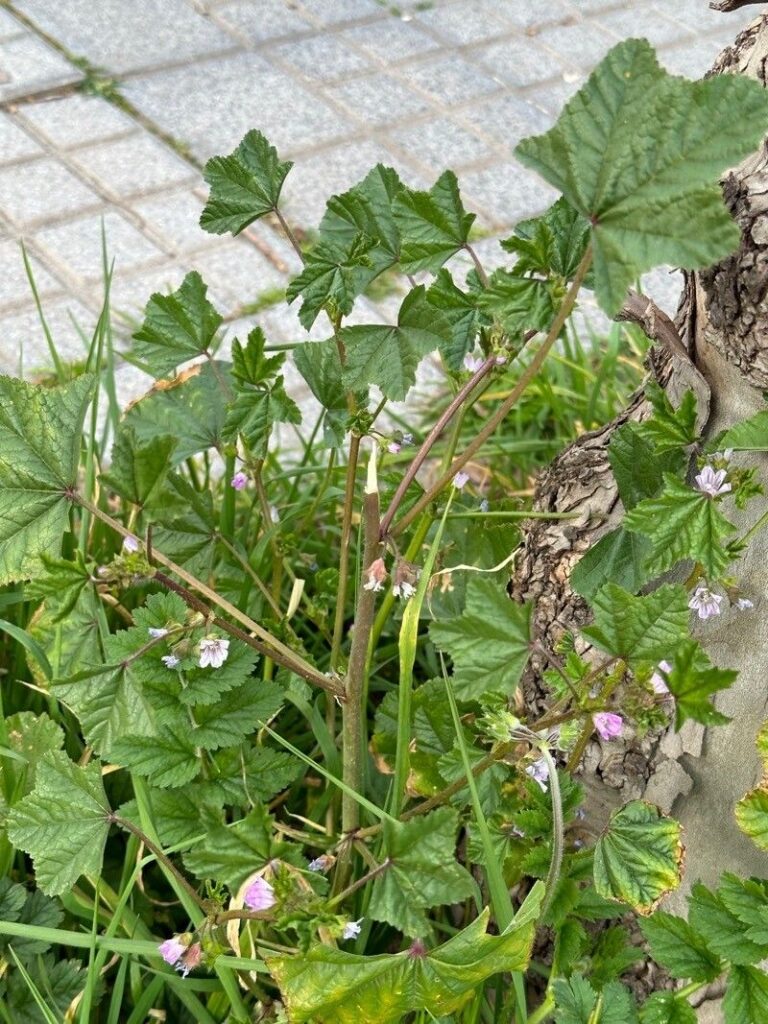
Unleash the Mauve Magic: Easy Propagation Techniques for Malva nicaeensis
Malva nicaeensis, better known by its charming aliases like Bull Mallow or French Mallow, is a delightful addition to any garden. Its vibrant purple flowers attract pollinators, its resilience handles various conditions, and its drought tolerance makes it a low-maintenance beauty. But did you know that multiplying this floral delight is surprisingly simple? Let’s delve into the fascinating world of Malva nicaeensis propagation!
Two Routes to Mallow Majesty
There are two primary ways to propagate Malva nicaeensis:
1. The Seed Route: A Journey of Patience and Reward
- Timing is Key: Collect seeds from dried seed pods in late summer or early fall.
- Direct Sowing: You can sow seeds directly into prepared garden beds in the fall. This allows for natural stratification (exposure to cold temperatures) that encourages germination in spring.
- Indoor Start: If starting indoors, mimic natural conditions. Sow seeds in a seed-starting mix 6-8 weeks before the last frost. Keep the soil lightly moist and provide a cool environment (around 18-21°C).
- Transplant Triumph: Once seedlings have a couple of sets of true leaves and the danger of frost has passed, transplant them to your garden.
2. The Cutting Edge: Cloning Your Floral Favorite
- Best Time to Snip: Take cuttings in spring or early summer from healthy, non-flowering stems.
- Cut with Precision: Choose stems that are about 4-6 inches long and cut just below a leaf node (where the leaf attaches to the stem).
- Prepare the Cutting: Remove the lower leaves to prevent rot and dip the cut end in rooting hormone powder (optional, but helpful).
- Potting Up: Plant the cuttings in a well-draining potting mix and keep them consistently moist.
- Rooting Success: In a few weeks, you’ll start to see new growth, indicating successful rooting. Once the cuttings are well-established, you can transplant them to their permanent location.
Tips for Propagation Prowess
- Soil Matters: Malva nicaeensis prefers well-drained soil. Amending heavy clay or sandy soils with compost will improve drainage and provide nutrients.
- Sun is Your Friend: These sun-loving beauties thrive in full sun (6-8 hours of direct sunlight per day).
- Watering Wisdom: While somewhat drought-tolerant once established, consistent watering, especially during the first growing season, is crucial for success.
- Pest Patrol: Keep an eye out for common garden pests like aphids or slugs and address them promptly.
Reap the Rewards
Successfully propagating Malva nicaeensis offers a bounty of benefits. You can expand your own garden for free, share these lovelies with fellow plant enthusiasts, and create a haven for pollinators. With a little effort and these simple techniques, you’ll be well on your way to cultivating a flourishing Malva nicaeensis haven!