
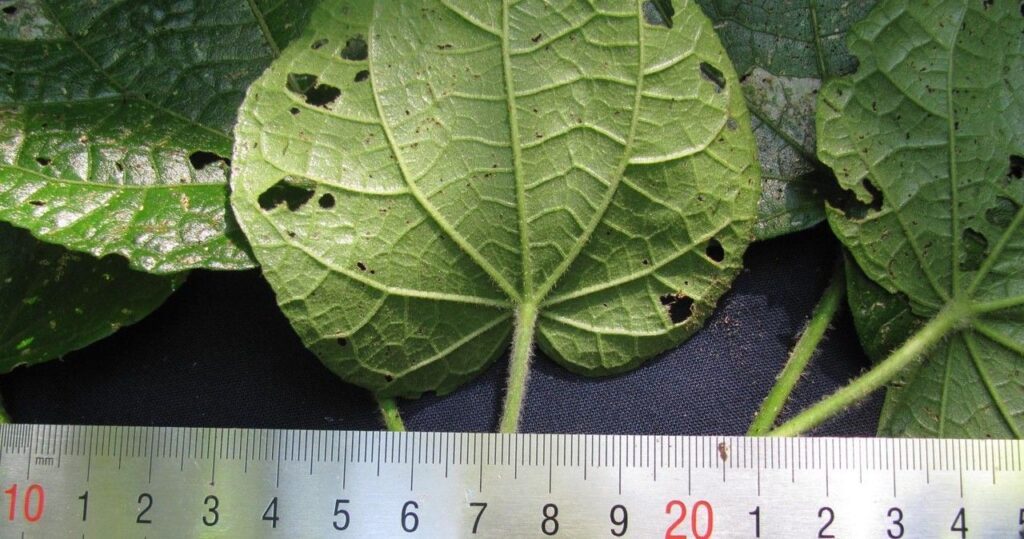
A New Life From a Snip: Propagating the Beautiful Malvaviscus achanioides
The Malvaviscus achanioides, also known as the Turk’s Cap or Wax Mallow, is a stunning shrub that adds a touch of vibrant color to any garden. Its unique, red, bell-shaped blooms resemble tiny, flaring caps, making it a captivating sight. But what if you want to share this beauty with others, or simply expand your own garden? The answer lies in propagation. This blog post will guide you through the simple process of propagating the Malvaviscus achanioides, allowing you to create new plants from existing ones!
The Magic of Propagation
Propagation involves using a part of an existing plant – like a stem cutting or a seed – to create a new, genetically identical plant. It’s a rewarding process that lets you grow your own plants, potentially save money, and create a sense of connection with your garden.
Methods for Propagating Malvaviscus achanioides
Stem Cuttings:
This is the most common and successful method for propagating the Malvaviscus achanioides. Here’s how:
- Timing is Key: The best time for stem cuttings is during the spring or summer when the plant is actively growing.
- Selecting a Cutting: Choose a healthy, non-flowering stem, preferably from the tip of the branch. Aim for a length of 4-6 inches.
- Prepare the Cutting: Use sharp, clean pruning shears to make a cut just below a leaf node (where the leaves grow). Remove the leaves from the bottom inch of the stem.
- Root Hormone: Dip the cut end of your cutting in rooting hormone powder to stimulate root growth.
- Planting: Fill a small pot with a well-draining potting mix. Make a hole in the center and insert the cutting, ensuring the cut end is fully covered.
- Moisture and Environment: Water the pot thoroughly and keep it in a humid environment. You can cover the pot with a plastic dome or bag to trap moisture.
- Patience is Virtue: It may take several weeks for the cutting to root. Keep the soil consistently moist, but avoid overwatering.
- Signs of Success: Look for new growth from the cuttings as a signal of successful rooting.
When to Transplant: Once the roots have established, gently remove the newly rooted cutting from the small pot. Transplant it into a slightly larger pot or directly into your garden.
Seed Propagation: While less common, Malvaviscus achanioides can be propagated from seeds.
- Collecting Seeds: Collect mature seeds from the capsules that appear after the flowers have faded.
- Preparing Seeds: Sow seeds directly into the soil in spring or fall. You can also start them indoors in a seed tray a few weeks before the last frost.
- Care and Germination: Keep the soil consistently moist and ensure the seeds receive adequate sunlight. Germination can take several weeks.
Tips for Success:
- Rooted cuttings adapt to their environment faster than seed-grown plants.
- Provide consistent moisture to the soil for optimal root development.
- Choose a partially shaded location for transplanting.
- Fertilize regularly for healthy growth.
Conclusion: Cultivating the beautiful Malvaviscus achanioides is a rewarding and achievable endeavor. Whether you choose stem cuttings or seed propagation, follow the tips above and embrace the thrill of witnessing new life emerge. You’ll soon be surrounded by these vibrant, captivating plants, adding a touch of tropical beauty to your garden. Just remember, patience and a little care are key to success!