
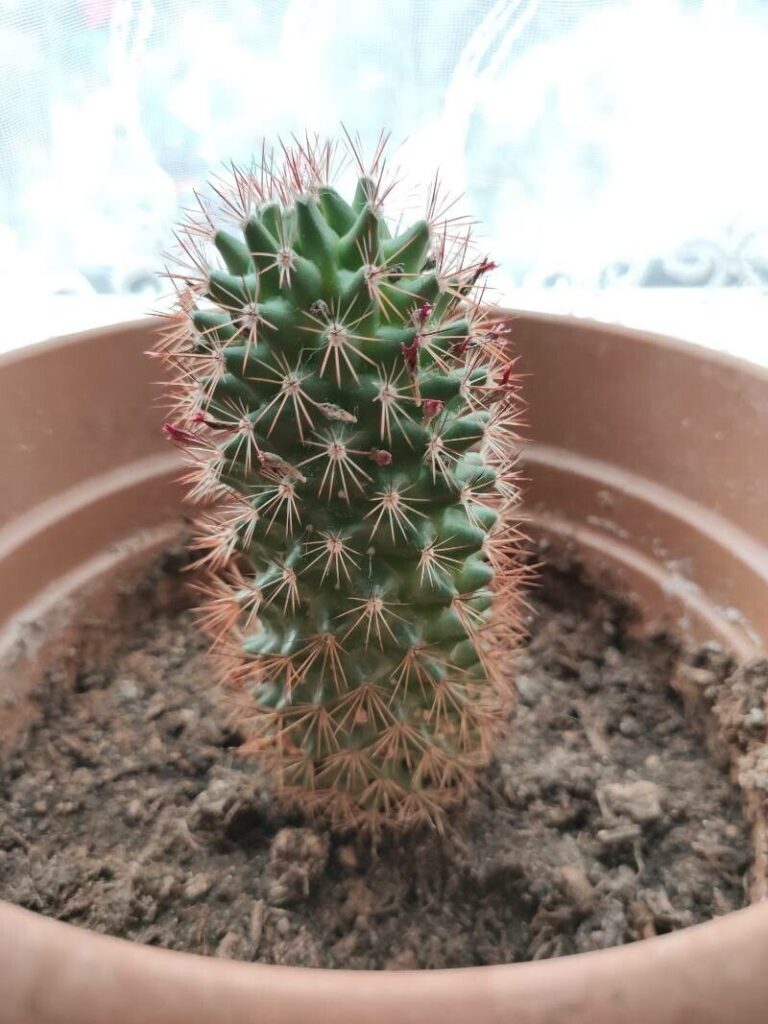
Multiply Your Mammillaria Magic: A Guide to Propagating Backebergiana
Mammillaria backebergiana, with its striking white spines and vibrant pink blooms, is a showstopper in the world of cacti. But did you know that multiplying your Mammillaria magic is easier than you think? This guide will take you through the ins and outs of propagating Mammillaria backebergiana, turning you into a confident cactus cultivator in no time.
Two Roads to New Beginnings: Offsets or Seeds?
When it comes to propagating Mammillaria backebergiana, you have two primary options:
1. Offsets (Pups): These miniature versions of the parent plant often sprout around the base, making propagation a breeze. Simply use a clean, sharp knife to detach the offset, ensuring it has some roots attached. Allow the cut surface to dry and callous for a few days (this prevents rot), and then nestle it into a well-draining potting mix.
Pros of Offsets:
- Quick and Easy: This method is ideal for beginners due to its simplicity.
- Genetic Clone: You’ll get an exact replica of the parent plant.
Cons of Offsets:
- Not Always Available: Your cactus might not always produce offsets.
2. Seeds: For those who enjoy a little more challenge and the potential for variation, growing from seeds is a rewarding experience. Harvest ripe seeds from dried seed pods on the plant or purchase some from a reputable supplier. Sow the seeds thinly on a well-draining seed starting mix, mist lightly, and provide bright, indirect light.
Pros of Seeds:
- Greater Quantity: You can propagate many plants simultaneously.
- Exciting Variations: Seedlings can exhibit unique characteristics.
Cons of Seeds:
- Slow and Demanding: Germination can be slow, and seedlings are delicate.
- No Guaranteed Results: Not all seeds will sprout, and you might not achieve the exact parent plant appearance.
The Recipe for Propagation Success:
No matter which propagation method you choose, these tips will enhance your chances of success:
- Well-Draining Soil: Mammillaria backebergiana, like all cacti, despises soggy roots. Use a specialized cactus potting mix or amend regular potting soil with perlite or pumice for optimal drainage.
- Light, Camera, (Indirect) Action! Place your newly propagated cacti in a location with bright, indirect light. Direct sunlight can scorch these young plants.
- Water Wisely: Resist the urge to overwater! Allow the soil to dry out completely between waterings, and during the dormant winter months, water sparingly.
- Patience, Young Padawan: Propagation takes time. Don’t be disheartened if you don’t see results overnight.
Troubleshooting Time:
- Rotting: This is the most common problem, usually caused by overwatering or poorly draining soil. If you spot any mushy or discolored areas, remove the affected parts immediately and repot in fresh, dry soil.
- Slow Growth: Cacti are notoriously slow growers, especially from seeds. Ensure they have adequate light and follow the watering guidelines.
Multiplying Your Mammillaria: A Rewarding Endeavor:
Propagating Mammillaria backebergiana, whether through offsets or seeds, is a fulfilling journey for any plant enthusiast. With a little patience and the right knowledge, you can soon have a thriving collection of these captivating cacti, filling your home with their prickly charm and vibrant floral displays.