
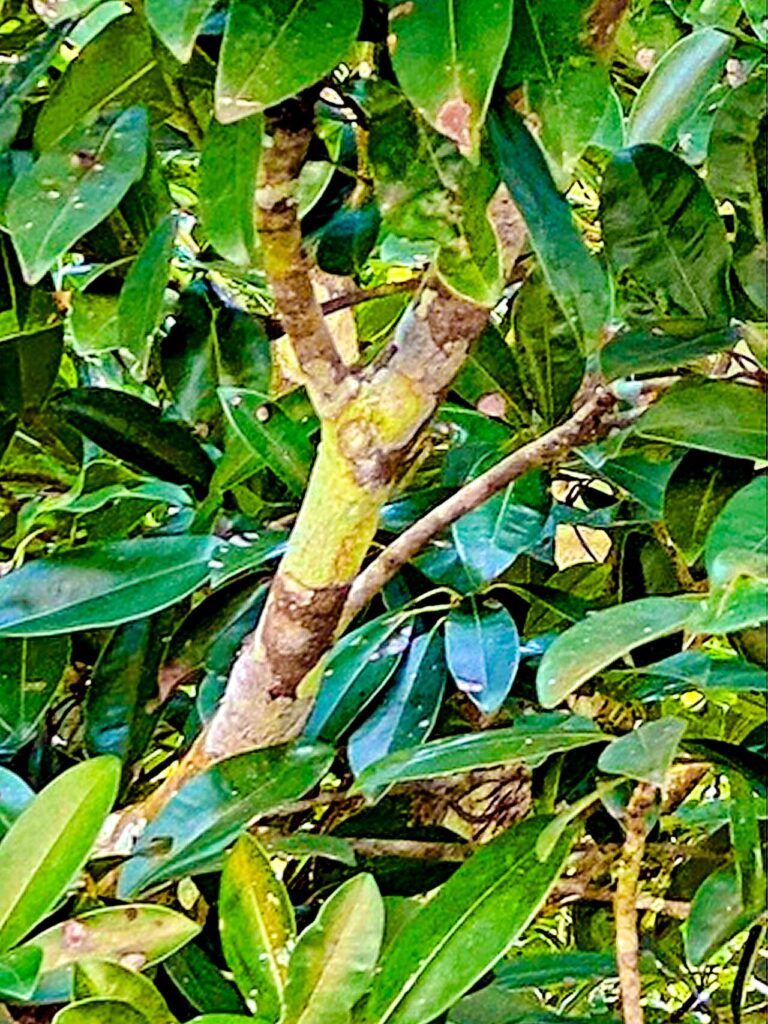
Propagating Manilkara chicle: The Challenges and Rewards of Cultivating Chicle
Introduction:
Manilkara chicle, commonly known as chicozapote, is a remarkable evergreen tree prized for its milky latex, historically used to produce chewing gum. Its attractive foliage, potential for shade, and intriguing history make it a desirable addition to gardens, particularly in tropical and subtropical regions. However, propagating chicozapote presents unique challenges, making its successful cultivation a rewarding endeavor for dedicated gardeners. Its relatively slow growth and specific environmental needs contribute to the difficulty of propagation.
Seed Germination:
Seed germination for Manilkara chicle is possible but notoriously slow and unpredictable. Germination rates are often low, and the process can take several weeks or even months.
Challenges: The seeds have a relatively short viability period, and require specific conditions for successful germination. Dormancy is common, and improper handling can easily lead to fungal infections and seed rot.
Tips: Freshly harvested seeds are crucial. Pre-sowing treatment involving scarification (slightly nicking the seed coat) can improve germination rates. Sowing should be done in well-drained, moist soil, ideally in a warm, humid environment with partial shade. Maintaining consistent moisture levels is critical to success. Consider using a seed-starting mix with good drainage and aeration.
Rewards: Successful seed germination offers the opportunity to generate genetic diversity within a population, ensuring a higher chance of adaptability and resilience against various environmental conditions. This method also holds the potential for large-scale propagation given sufficient resources and a carefully managed nursery environment.
Cuttings:
Cuttings propagation for Manilkara chicle is generally considered difficult and unreliable. The success rate is low, even with the use of rooting hormones.
Challenges: Chicozapote cuttings are prone to fungal infections and have a low capacity for root development. Hardwood cuttings have shown marginally better results than softwood cuttings but still prove unreliable.
Tips: While there isn’t a high likelihood of success, using semi-hardwood cuttings taken during the less active growing season, treating them with rooting hormones, and providing a consistently humid environment under mist propagation is the most viable approach.
Rewards: If successful, cuttings offer a faster propagation method compared to seeds, ensuring clones with the desirable traits of the parent plant. However, this is extremely challenging in practice.
Division:
Division is not a viable propagation method for Manilkara chicle. This tree possesses a large taproot system and extensive root network, making division highly impractical and likely to result in the death of the plant.
Tissue Culture:
Tissue culture offers a potentially more reliable method for propagating Manilkara chicle, although it requires specialized equipment and expertise.
Challenges: Establishing sterile cultures and finding the optimal media composition for successful shoot proliferation and rooting can pose difficulties. Even with successful establishment, the process can be labor-intensive and expensive.
Tips: Collaborating with a tissue culture laboratory with experience in propagating woody species is advisable. Careful selection of explant material and maintaining stringent sterile conditions are paramount.
Rewards: Tissue culture allows for large-scale propagation of genetically uniform plants, preserving desirable characteristics, disease-free stock, and accelerated growth compared to other methods.
Conclusion:
Propagating Manilkara chicle presents significant challenges but also unique rewards. While seed germination offers the potential for genetic diversity, its slow and unpredictable nature can be frustrating. Cuttings and division prove largely ineffective. Tissue culture, while expensive and demanding, presents the most reliable method for large-scale propagation, preserving desirable traits and ensuring disease-free plants. The satisfaction of successfully cultivating this historically significant tree, given the difficulty involved, makes the journey a truly rewarding one for the dedicated plant enthusiast. Patience, persistence, and a willingness to experiment—perhaps including a collaborative approach involving tissue culture expertise—are key to success. Don’t be discouraged by initial setbacks; the triumphant growth of a chicozapote tree is a testament to the gardener’s perseverance.