
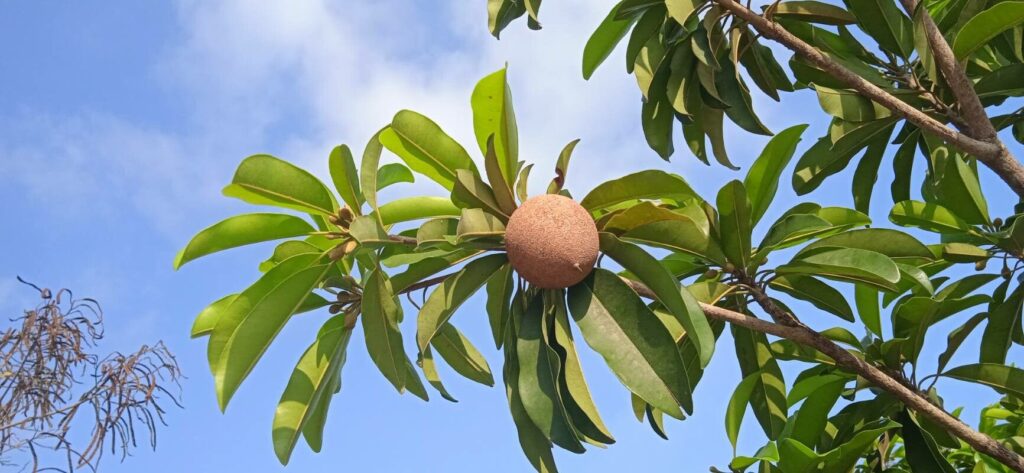
From Seed to Sapling: Unlocking the Secrets of Propagating Sapodilla Trees
The sapodilla (Manilkara zapota), with its sweet, brown fruit and rich history, has captured the hearts (and taste buds) of many. But have you ever wondered how to grow your own sapodilla tree? The answer lies in the fascinating world of propagation!
While it might seem daunting at first, propagating sapodilla trees is surprisingly achievable for even the novice gardener. This blog post will guide you through the two most common methods:
1. Seed Propagation: A Journey From Seed to Sapling
The most straightforward method is through seeds. Here’s a step-by-step guide:
- Source your seeds: Harvest ripe sapodilla fruit and carefully extract the seeds.
- Prepare the seeds: Remove any remaining fruit pulp and let the seeds dry for a few days.
- Sowing: Fill seed trays or pots with well-draining soil and sow the seeds about half an inch deep.
- Watering and sunlight: Keep the soil consistently moist but not waterlogged. Place the trays in a sunny spot.
- Germination: Expect germination within a few weeks to a couple of months.
- Transplanting: Once the seedlings have a few true leaves, you can transplant them into larger pots or directly into the ground if your climate is suitable.
Pros of Seed Propagation:
- Easy and affordable: Seeds are readily available from ripe fruit.
- High success rate: Sapodilla seeds readily germinate.
Cons of Seed Propagation:
- Variability: Seed-grown sapodilla trees may not be identical to the parent tree. You might witness variations in fruit size, flavor, and growth habits.
- Longer time to fruit: Seed-grown sapodilla trees typically take several years to produce fruit.
2. Vegetative Propagation: Creating Clones of Your Favorite Tree
For those seeking a faster route to fruit and a guarantee of identical characteristics, vegetative propagation is the way to go. This involves replicating a plant from existing plant parts like cuttings or grafts.
- Cuttings: Select healthy, mature branches from a desirable sapodilla tree and cut them into sections. Use a sharp knife or pruning shears and ensure the cuttings are at least 6-10 inches long.
- Rooting: Dip the cut end of the cutting in rooting hormone and plant it in a well-draining potting mix. Keep the cuttings moist and in a warm, humid environment.
- Grafting: This technique involves combining a scion (cutting from a desired variety) with a rootstock (existing sapodilla seedling). This requires specialized skills and is best left to experienced gardeners.
Pros of Vegetative Propagation:
- Faster fruiting: Plants propagated vegetatively start bearing fruit much sooner than those grown from seeds.
- Genetic consistency: Clones retain identical traits from the parent tree.
Cons of Vegetative Propagation:
- Requires skill: Cuttings and grafting require some practice and knowledge.
- May be more expensive: Rooting hormones and specialized tools may be necessary.
Choosing the Right Propagation Method
Ultimately, the best method for you will depend on your goals and resources. If you want to experiment and are patient, seed propagation is an easy and affordable option. If you desire a faster route to fruit and are keen on preserving specific traits, then vegetative propagation might be the way to go.
No matter your approach, propagating sapodilla trees is a rewarding journey. It allows you to connect with the natural world and cultivate a piece of sweet history in your own backyard. So, grab some seeds, sharpen your shears, and embark on your own sapodilla adventure!