
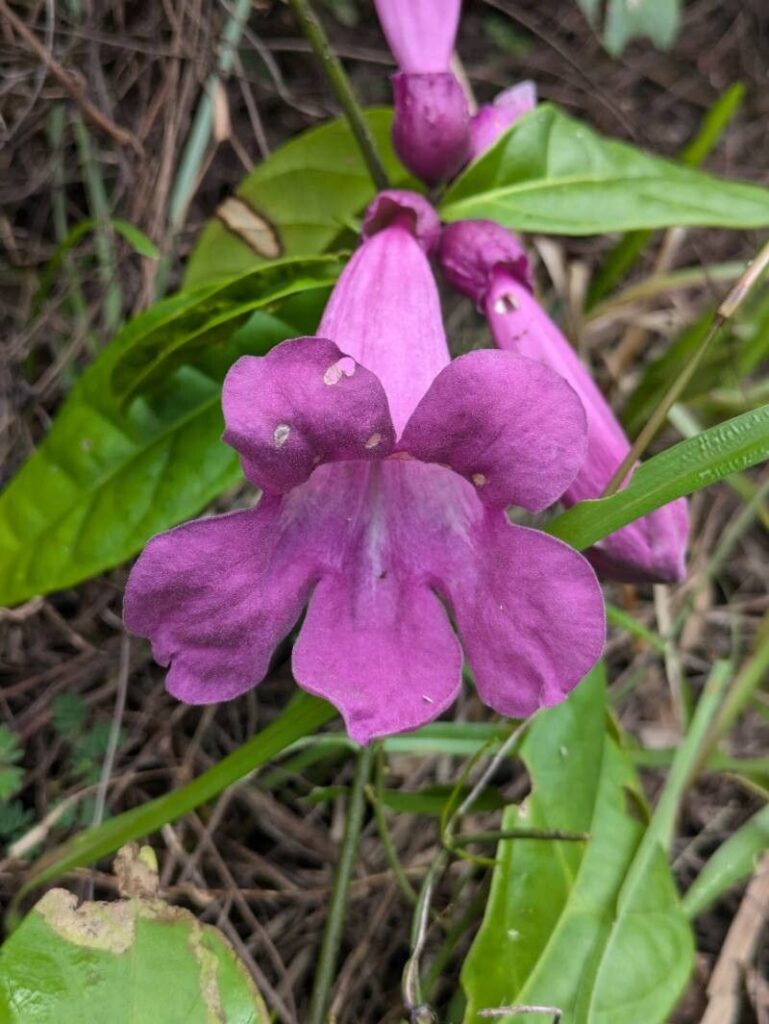
Propagating Mansoa standleyi: A Gardener’s Guide to the Climbing Trumpet Vine
Mansoa standleyi, commonly known as the Yellow Trumpet Bush or Golden Shower Vine, is a captivating flowering vine prized for its vibrant yellow, trumpet-shaped blooms. Its vigorous growth habit and relatively low maintenance requirements contribute to its popularity among gardeners seeking a striking vertical element for their landscapes. However, propagation can present unique challenges. This article explores various methods, highlighting their viability and offering practical advice for successful cultivation.
Seed Germination:
Currently, there are no known reliable methods for seed germination propagation of Mansoa standleyi. While seeds may be produced, their germination rate is exceedingly low, often attributed to dormancy mechanisms yet to be fully understood. Research into specific stratification techniques or hormonal treatments may be necessary to unlock successful germination in the future.
Cuttings:
Cuttings represent the most viable and commonly used method for propagating Mansoa standleyi.
Challenges: Success relies heavily on using healthy, actively growing stem cuttings taken during the plant’s peak growing season (spring or early summer). The cuttings are somewhat prone to rot if not carefully managed.
Practical Tips: Take semi-hardwood cuttings, approximately 4-6 inches long, with at least two leaf nodes. Remove lower leaves to prevent rotting. Dip the cut ends in a rooting hormone powder before planting in a well-draining propagation mix (e.g., perlite and peat moss). Maintain high humidity (e.g., using a humidity dome or misting regularly) and consistent warmth. Ideal temperatures hover around 70-75°F (21-24°C). Rooting typically takes several weeks to several months.
Rewards: Cuttings offer a relatively straightforward method for producing genetically identical plants, ensuring consistent bloom color and plant form. It allows for efficient propagation, especially advantageous for gardeners wishing to expand their existing plants or share with others.
Division:
Division is generally not feasible for Mansoa standleyi. The plant’s root system is not easily divided, and separating portions risks damaging the plant severely, diminishing chances of survival.
Tissue Culture:
Tissue culture presents a potential, albeit specialized, method for propagating Mansoa standleyi.
Challenges: This technique requires a sterile laboratory environment, specialized expertise, and specific growth media. It is far more complex and resource-intensive than other methods.
Practical Tips: This method would necessitate establishing aseptic cultures from stem or leaf segments on a suitable agar-based media containing plant growth regulators. Optimizing the media composition for shoot proliferation and root initiation is crucial. This is often best undertaken by professionals with expertise in plant tissue culture.
Rewards: Tissue culture offers the potential for mass propagation of genetically uniform plants, disease-free stock, and the possibility of genetic modification or conservation efforts in the future.
Conclusion:
Propagating Mansoa standleyi presents unique challenges, with cuttings representing the most practical option for the average gardener. While seed germination currently proves unreliable, and division is unsuitable, tissue culture remains a potential avenue, albeit requiring specialized knowledge and resources. Despite the inherent difficulties, the rewarding experience of successfully cultivating this vibrant vine from a cutting makes the effort worthwhile. The sight of those sunny yellow trumpets blooming, a testament to your patience and dedication, is a unique satisfaction indeed. For aspiring propagators, persistence, careful attention to detail, and the right techniques are key to enjoying the beauty of Mansoa standleyi in your garden.