
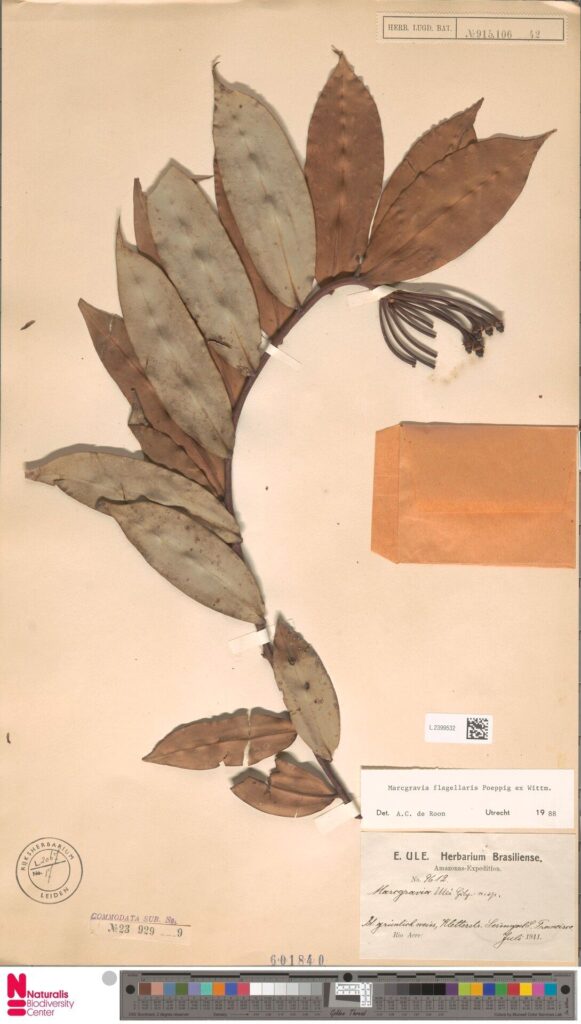
Unlocking the Secrets of the “Flying Saucer Vine”: How to Propagate Marcgravia flagellaris
Want to grow the unique and captivating “Flying Saucer Vine” (Marcgravia flagellaris) in your own garden? Known for its striking, saucer-shaped bracts that attract hummingbirds and other pollinators, this tropical beauty is a conversation starter. But how do you get your hands on one? Fear not, plant enthusiasts! Propagating Marcgravia flagellaris is surprisingly accessible, and with a bit of knowledge, you can cultivate this exotic wonder in your own space.
Understanding the Basics: Seeds and Cuttings
Marcgravia flagellaris can be propagated using both seeds and cuttings, each offering its own pros and cons.
-
Seeds: While readily available, seed propagation requires patience. It involves sowing the tiny seeds in a well-draining seed-starting mix, ensuring warmth and high humidity, and waiting for germination, which can take several weeks. The upside? You’ll be rewarded with multiple plants that retain the genetic diversity of the parent plant.
- Cuttings: For quicker results and a practically identical clone, go for cuttings. Take softwood cuttings in early spring or summer from healthy stems with at least two sets of leaves. Strip off the bottom leaves and dip the cut end in rooting hormone before planting in a moist, well-draining mix. Place the potted cuttings under a humidity dome or plastic bag to encourage root development. While rooting may take weeks, you’ll be able to enjoy the beauty of your new plant sooner rather than later.
Beyond the Basics: Tips for Success
No matter your chosen propagation method, here are some critical tips for success:
- Soil Choice: Use a well-draining potting mix that retains moisture but doesn’t get soggy. A blend of peat moss, perlite, and vermiculite works well.
- Watering: Keep the soil consistently moist, but avoid overwatering. Allow the top inch of soil to dry out slightly before watering again.
- Light and Temperature: Marcgravia flagellaris thrives in bright, indirect light. Avoid direct sunlight, which can scorch the leaves. Keep the temperature consistently warm, ideally above 60°F (15°C).
- Humidity: Like most tropical plants, Marcgravia flagellaris appreciates high humidity. Mist the foliage regularly or use a humidity tray to create a favorable environment.
- Patience: Patience is key! Propagation may take time, but the reward of watching your new plants flourish is well worth it.
Ready to Grow Your Own Flying Saucer Vine?
Whether you opt for seeds or cuttings, propagating Marcgravia flagellaris is an enriching experience. With the insights and tips shared above, you can enjoy witnessing the transformation from tiny seed to a flourishing vine that will mesmerize with its peculiar beauty. Embrace the process, learn from each step, and marvel at the wonder of bringing a unique and captivating plant to life in your home.