
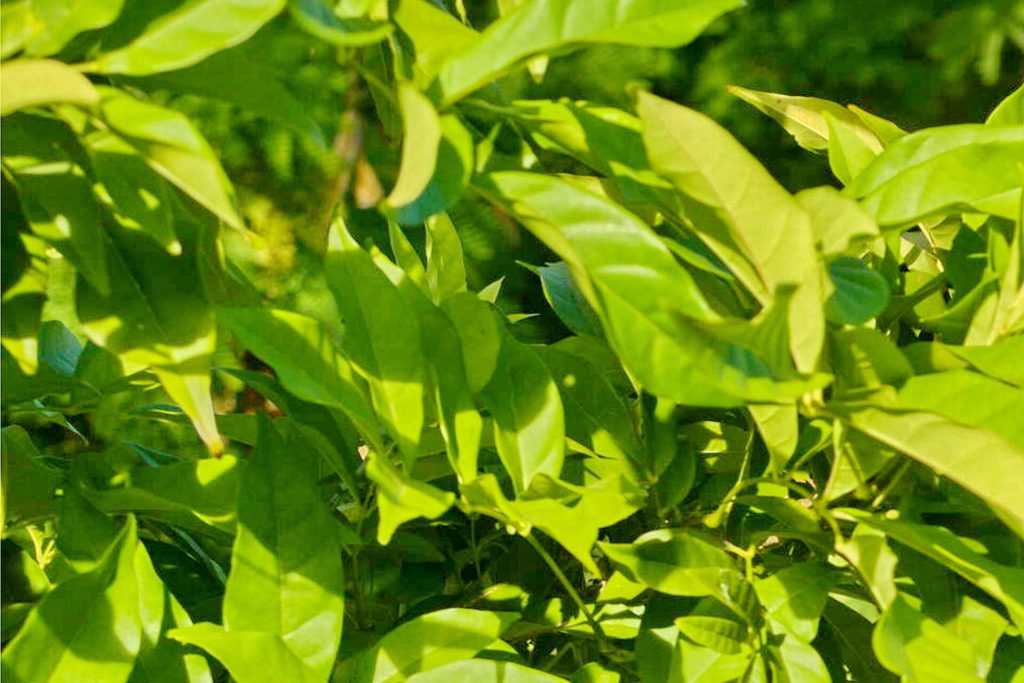
Propagating the Zanzibar Trumpet Tree: A Gardener’s Guide to Markhamia zanzibarica
Markhamia zanzibarica, commonly known as the Zanzibar trumpet tree, is a striking tropical and subtropical tree prized for its vibrant, trumpet-shaped flowers and attractive foliage. Its showy blossoms, ranging from yellow to orange, attract pollinators and add a splash of color to any landscape. This makes it a sought-after species among horticulturists, though propagation presents certain challenges. This guide explores different methods for propagating Markhamia zanzibarica, outlining the difficulties and rewards associated with each.
Seed Germination:
Currently, there are no known reliable methods for seed germination propagation of Markhamia zanzibarica. While seeds may be produced, their germination rate is extremely low, and successful germination has not been consistently reported. Further research is needed to determine if specific pretreatment techniques (such as scarification or stratification) could improve germination success.
Cuttings:
Cuttings offer a more promising approach to propagating Markhamia zanzibarica.
-
Challenges: Success rates can vary depending on the timing and technique employed. The cuttings are prone to fungal infections if not properly treated. Hardwood cuttings are generally more successful than softwood.
-
Practical Tips: Take semi-hardwood cuttings (partially mature growth) in late summer or early autumn. Use a sharp, clean blade to prevent the spread of disease. Dip the cut ends in a rooting hormone powder to stimulate root development. Plant the cuttings in a well-draining propagation mix, keeping them consistently moist but not waterlogged. High humidity and bottom heat can also improve success. A mist propagation system is highly recommended.
-
Rewards: Cuttings offer a relatively quick method of propagation, allowing for the preservation of desirable genetic traits from a parent plant. This method is suitable for smaller-scale propagation efforts.
Division:
Division is not a viable propagation method for Markhamia zanzibarica. This species does not readily produce suckers or offsets that can be separated and grown independently.
Tissue Culture:
Tissue culture presents a potential, albeit advanced, method for propagating Markhamia zanzibarica.
-
Challenges: Tissue culture requires specialized equipment, sterile conditions, and expertise in plant tissue culture techniques. The establishment of a sterile culture and the optimization of growth media can prove challenging.
-
Practical Tips: This method requires a controlled environment with specialized growth media containing hormones and nutrients to promote shoot and root development. Sterilization is crucial to prevent microbial contamination.
-
Rewards: Tissue culture offers the potential for mass propagation, producing numerous genetically identical plants from a single parent plant. It also allows for the production of disease-free planting material.
Conclusion:
Propagating Markhamia zanzibarica presents unique challenges. While seed germination remains unreliable, cuttings offer a practical approach for the average gardener, provided they are diligent in their techniques. Tissue culture holds the key to large-scale propagation, but this requires advanced techniques and resources. The rewards of successfully cultivating this magnificent tree, however, outweigh the challenges. The vibrant beauty that this species brings to a garden provides immense satisfaction, making the effort truly worthwhile. Aspiring propagators are encouraged to start with cuttings, carefully following the outlined tips and remaining patient. The successful propagation of this beautiful species will undoubtedly be a source of pride and joy.