
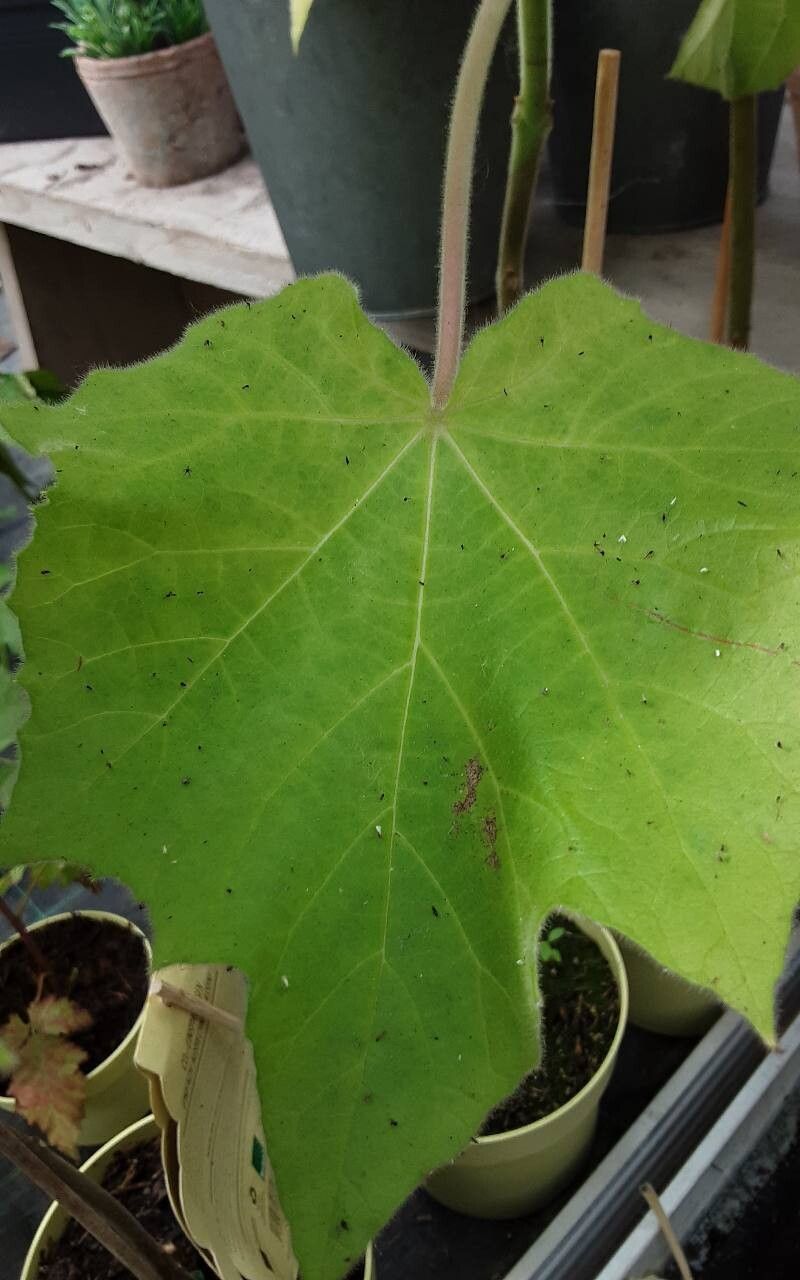
Propagating Unicorn Plant (Martynia annua): A Gardener’s Guide
Introduction:
Martynia annua, commonly known as the unicorn plant, devil’s claw, or giraffe’s claw, is a striking annual with unique, claw-shaped seed pods that are almost as captivating as its trumpet-shaped flowers. Its unusual appearance and relative ease of growth (once established) have made it a popular choice for gardeners seeking something a bit different. However, propagation presents some interesting challenges. The plant’s robust nature and tendency to self-seed freely in the right conditions make some methods more successful than others. This guide explores various propagation techniques for the unicorn plant.
Seed Germination:
Seed germination is a viable and commonly employed method for propagating Martynia annua. However, it presents some challenges. The seeds have a hard seed coat, which can hinder germination.
Challenges: Slow and inconsistent germination rates are common. Seeds may require a period of pre-treatment to break dormancy.
Practical Tips: Scarification (nicking the seed coat with a file or sandpaper) is recommended to improve germination rates. Soaking the seeds in warm water for 24-48 hours before sowing can also be helpful. Sow seeds directly outdoors after the last frost in well-drained soil, or start indoors 4-6 weeks before the last frost, using a seed starting mix. Maintain consistently moist but not waterlogged soil. Aim for temperatures around 70-80°F (21-27°C).
Rewards: Seed propagation offers the greatest potential for genetic diversity, allowing gardeners to grow a wider range of plants with potentially varied pod shapes, flower colors, and sizes. This method is also suitable for large-scale propagation.
Cuttings:
Currently, there are no known reliable methods for propagating Martynia annua from cuttings. The plant’s succulent stem structure often doesn’t readily produce roots from stem or leaf cuttings.
Division:
Division is not a practical method for propagating Martynia annua. This is because it is an annual, completing its life cycle within a single growing season, thus preventing the formation of multiple plants from a single individual.
Tissue Culture:
While theoretically possible, tissue culture propagation of Martynia annua is not a widely practiced method. It would require specialized laboratory equipment and expertise, making it impractical for most home gardeners. The success rate remains unverified and likely requires extensive research and development.
Conclusion:
Propagating Martynia annua presents a unique set of challenges and rewards. Seed germination, while requiring patience and some pre-treatment, is the most accessible and reliable method for home gardeners. The other methods prove less feasible due to the plant’s annual nature and stem characteristics.
The satisfaction derived from successfully cultivating a unicorn plant from seed, overcoming the hurdles of germination, is a testament to a gardener’s persistence. Witnessing the emergence of these extraordinary plants from seemingly unyielding seeds is a uniquely rewarding experience. Beginners should start with seed germination, practicing the tips provided to increase the chance of success. Don’t be discouraged by initial setbacks – the beauty and unusual nature of the unicorn plant make the effort well worth it.