
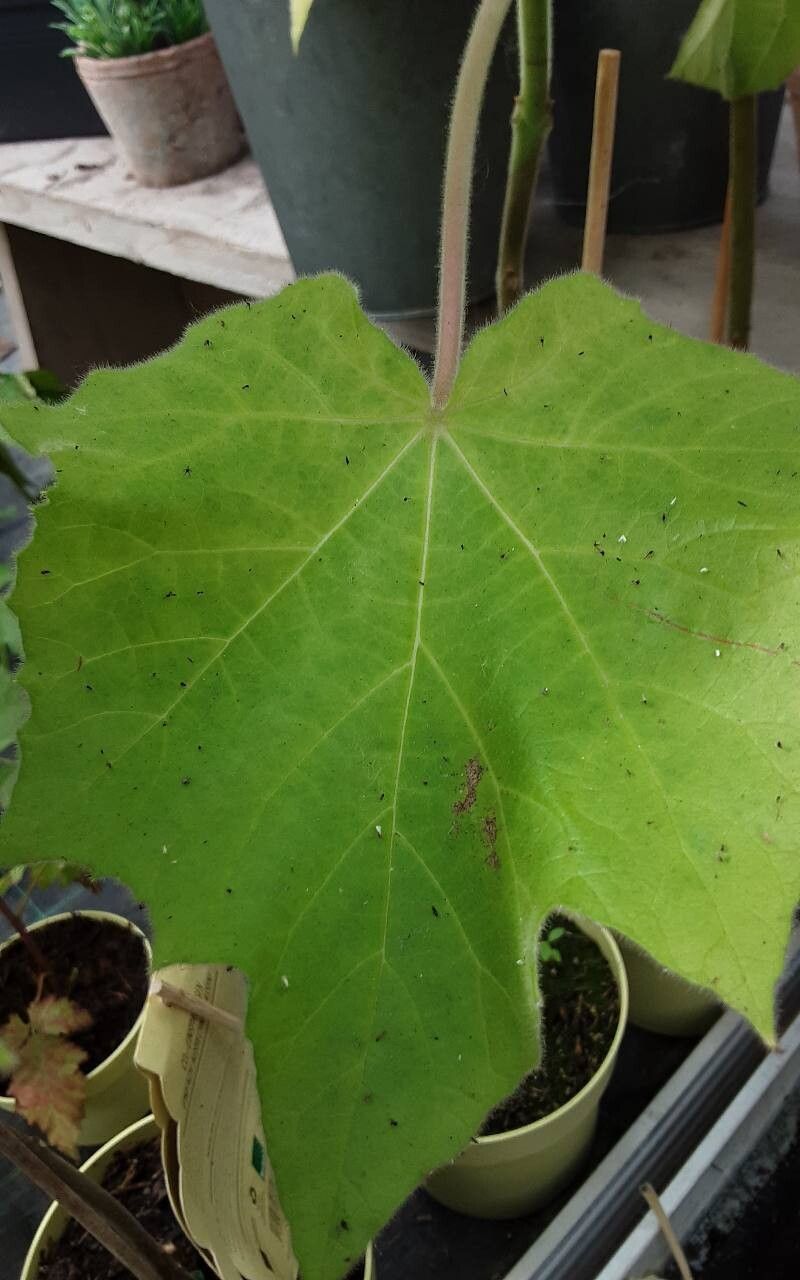
Propagating the Unicorn Plant: A Guide to Cultivating Martynia annua
Martynia annua, commonly known as the unicorn plant, devil’s claw, or giraffe’s claw, is a captivating annual with striking, claw-like seed pods and intriguing trumpet-shaped flowers. Its unique appearance and relatively easy cultivation (once established) have earned it a place in many gardeners’ hearts. However, its propagation presents some interesting challenges and rewards. This guide explores various methods, highlighting their viability and associated difficulties.
Seed Germination:
Seed germination is a viable and popular method for propagating Martynia annua. However, it’s not without its challenges. The seeds possess a hard seed coat, which can hinder germination.
Challenges: Slow and inconsistent germination rates are common. Seeds may require a period of dormancy before they germinate.
Tips: Scarification (nicking or filing the seed coat) can significantly improve germination rates. Soaking the seeds in warm water for 24-48 hours before sowing can also be beneficial. Direct sowing outdoors after the last frost, when soil temperatures are warm (70-80°F), is generally recommended for best results. Sowing indoors is possible, but requires consistent warmth and moisture. Use a well-draining seed-starting mix.
Rewards: Seed propagation offers high genetic diversity, allowing for the potential development of new varieties adapted to specific conditions. It’s also a cost-effective method for large-scale propagation.
Cuttings:
Currently, there are no known reliable methods for propagating Martynia annua from cuttings. The plant’s stem structure and physiology do not lend themselves well to this technique.
Division:
Division is not a viable propagation method for Martynia annua as it is an annual plant with a relatively short lifespan. It does not produce a root system suitable for division.
Tissue Culture:
While tissue culture is a potentially successful technique for propagating Martynia annua, it’s a highly specialized method requiring a controlled environment, sterile techniques, and specific growth media. It is not commonly practiced by home gardeners.
Challenges: This method requires significant technical expertise and specialized equipment, making it unsuitable for most amateur cultivators. The success rate can also vary significantly depending on the skill and experience of the propagator.
Tips: If attempting tissue culture, research specific protocols for Martynia annua or work with a horticultural lab specialized in plant tissue culture.
Rewards: Tissue culture offers the potential for mass production of genetically uniform plants, free from diseases and pathogens.
Conclusion:
Propagating the unicorn plant presents unique challenges across different methods. While seed germination is the most accessible and rewarding approach, careful attention to detail is crucial to overcome the hurdles of slow germination and inconsistent results. Cuttings and division are not viable options. Tissue culture offers potential for large-scale propagation, but demands specialized knowledge and facilities.
Despite the difficulties, the unique satisfaction of successfully cultivating this striking plant from seed, nurturing it through its life cycle, and finally witnessing the fascinating, claw-like seed pods is a rewarding experience. The quirky nature of Martynia annua and the sense of accomplishment from overcoming its reproductive challenges make it a truly fascinating addition to any garden. Don’t be discouraged by initial setbacks—with patience and perseverance, you too can enjoy the beauty of the unicorn plant.