
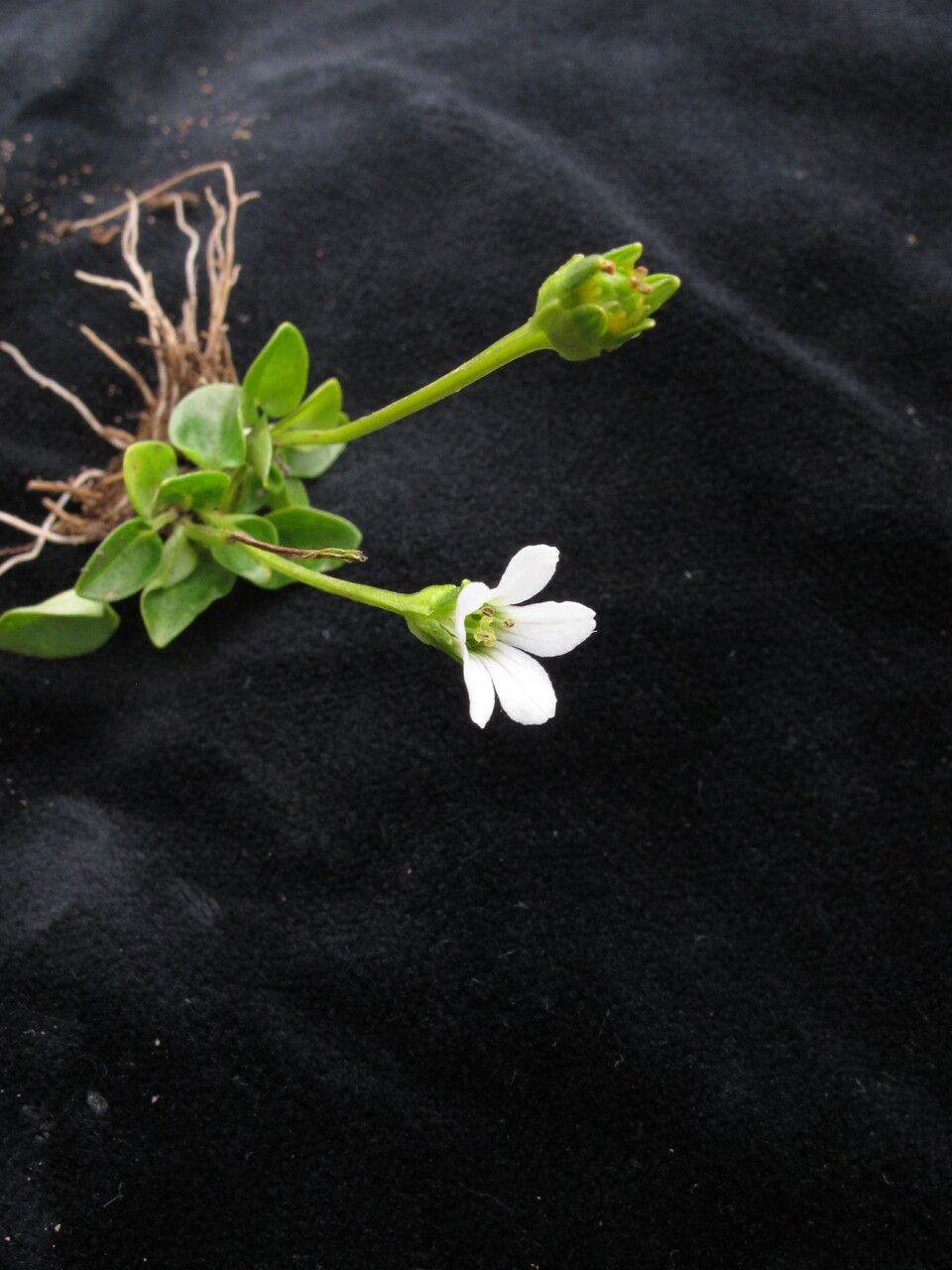
Propagating the Small-flowered Grass of Parnassus (Parnassia pusilla): A Gardener’s Guide
Introduction:
Parnassia pusilla, commonly known as Small-flowered Grass of Parnassus, is a captivating, diminutive perennial boasting delicate white flowers with intricate, fringed petals. This charming member of the Celastraceae family is prized by gardeners for its understated elegance and ability to thrive in moist, boggy conditions, making it a perfect addition to rock gardens, bog gardens, or as edging in damp areas. While its beauty is undeniable, propagating Parnassia pusilla poses unique challenges, making successful cultivation all the more rewarding. The small seed size and relatively slow growth contribute to the difficulty, and while division is a more reliable method, exploring all options provides the best chance of success.
Seed Germination:
Currently, there are no known reliable methods for seed germination propagation of Parnassia pusilla. The seeds are extremely fine and require specific, often unpredictable, conditions for germination. While some anecdotal evidence suggests success with cold stratification, the lack of consistent results makes this method unreliable for widespread propagation. Further research is needed to establish a definitive protocol.
Cuttings:
Propagating Parnassia pusilla from cuttings presents significant challenges. Softwood cuttings taken in early summer have shown some marginal success in specialized, humid environments with bottom heat, but the rooting percentage remains low. Challenges include the susceptibility of the cuttings to fungal diseases and the slow rooting process.
- Challenges: Low success rate, susceptibility to disease, slow rooting.
- Practical Tips: Sterile media is crucial, high humidity is essential, bottom heat may improve rooting. Use rooting hormone. However, even with these factors, reliable success is not guaranteed.
- Rewards: If successful, cuttings offer a way to clone desirable plant characteristics.
Division:
Division is the most reliable method for propagating Parnassia pusilla. It involves carefully separating the plant’s rhizomes during its dormant period (late autumn or early spring). Each division should contain a portion of healthy rhizome with established roots and some actively growing shoots.
- Challenges: Requires careful handling to avoid damaging the delicate roots and rhizomes. Over-division can weaken the plants.
- Practical Tips: Sharpen the division tool to prevent tearing the rhizomes; handle the plants gently; replant immediately; ensure consistent moisture levels after division.
- Rewards: High success rate, relatively quick establishment of new plants, preservation of desirable genetic traits.
Tissue Culture:
While potentially offering a high propagation rate, tissue culture for Parnassia pusilla is a complex and specialized process not typically undertaken by home gardeners. It requires specialized equipment, a sterile environment, and a skilled hand to establish and maintain sterile cultures. Therefore, this method is not practical for most amateur propagators.
- Challenges: High initial cost, specialized equipment and knowledge required, risk of contamination.
- Practical Tips: This method is best left to professionals or research institutions.
- Rewards: Potential for rapid and large-scale propagation; disease-free stock.
Conclusion:
Propagating Parnassia pusilla presents unique challenges across all methods explored. While seed germination remains unreliable and cuttings offer low success rates, division stands out as the most reliable technique for the home gardener. Tissue culture provides potential for large-scale propagation but remains inaccessible to most. The difficulties involved, however, only heighten the sense of accomplishment achieved by successfully establishing new plants. The delicate beauty of this species makes the effort worthwhile for those patient enough to develop the necessary techniques. For the beginning propagator, mastering the division method is recommended as the most achievable route to successfully cultivating and sharing this beautiful and underrated plant.