
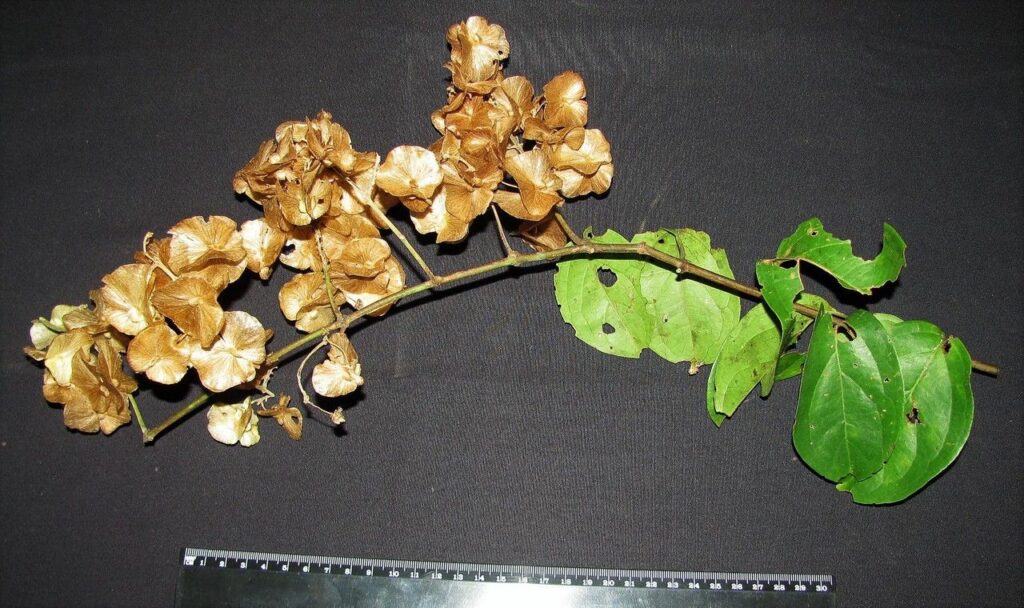
Unlocking the Magic: Propagating the Vibrant Mascagnia Divaricata
The Mascagnia divaricata, with its cascading sprays of vibrant yellow flowers and enticing nectar, is a true showstopper in the garden. But did you know you can easily share this beauty with friends and family – or even create a whole new garden of these dazzling blooms? That’s right, propagating this captivating shrub is entirely within reach for even the novice gardener.
Understanding the Basics: How Mascagnia Divaricata Reproduces
This tropical gem primarily reproduces through seeds, but that can be a slow and sometimes unpredictable process. Thankfully, you can skip the wait and easily propagate Mascagnia divaricata through cuttings. This method offers faster results and a higher success rate, allowing you to enjoy your vibrant shrubs sooner.
Layering: A Gentle Approach to Propagation
One technique that guarantees success with Mascagnia divaricata is layering. This method encourages the plant to root while still attached to the mother plant. Here’s how it works:
- Select a Low-Hanging Branch: Choose a flexible, healthy branch that grows close to the ground and can be bent easily.
- Prepare the Branch: Carefully make a small cut – about an inch long – in the underside of the branch.
- Encourage Rooting: Using a rooting hormone (optional), gently cover the cut area with moist rooting medium. This could be a mixture of peat moss and perlite, or simply a handful of good quality potting soil.
- Secure the Branch: Bend the branch and secure it to the ground with a piece of wire or a twig.
- Keep it Moist: Ensure the rooting medium remains consistently moist, but not waterlogged.
- Wait and Watch: Give the plant time to develop roots. This usually takes a couple of months, but it might vary depending on the climate.
- Separate and Plant: Once you see new growth, you can carefully separate the rooted branch from the mother plant and pot it up in a suitable container.
Cuttings: A Faster Route to New Plants
If you’re looking for a faster propagation method, try rooting cuttings. Here’s how:
- Select a Healthy Stem: Choose a non-flowering, semi-hardwood cutting from the tips of the new growth. It should be around 4-6 inches long.
- Prepare the Cuttings: Remove the lower leaves, leaving two or three at the top. Make a clean, sharp cut at an angle just below a pair of leaves.
- Dip in Rooting Hormone: Dip the base of the cutting in rooting hormone. This optional step helps encourage root development.
- Potting Up: Plant the cuttings in a container filled with a well-draining potting mix. Make sure the leaves are above the soil level.
- Provide Ideal Conditions: Place the cuttings in a warm, humid environment and keep the soil consistently moist.
- Patience is Key: Rooting usually takes approximately 4-6 weeks. You’ll be able to tell if they’ve taken root when you see new growth emerging.
Tips for Success:
- Use Clean Tools: Always use sharp, clean tools to avoid spreading diseases.
- Choose the Right Time: The best time to propagate Mascagnia divaricata is usually in spring or early summer when the plant is actively growing.
- Warm and Humid: Provide a nurturing environment with consistent warmth and humidity. You can create a small greenhouse using a plastic bag or a cloche to maintain optimal conditions.
- Observe and Adapt: Pay close attention to the cuttings and adjust your care as needed. If the soil feels dry, mist it to maintain humidity.
By following these simple steps, you can unlock the joy of growing your own mini-garden of vibrant yellow flowers. The Mascagnia divaricata not only adds a touch of tropical beauty to your landscape but also serves as a haven for pollinators, making it a valuable addition to any garden. So, go ahead and experiment – propagating this beautiful plant is an incredibly rewarding experience.