
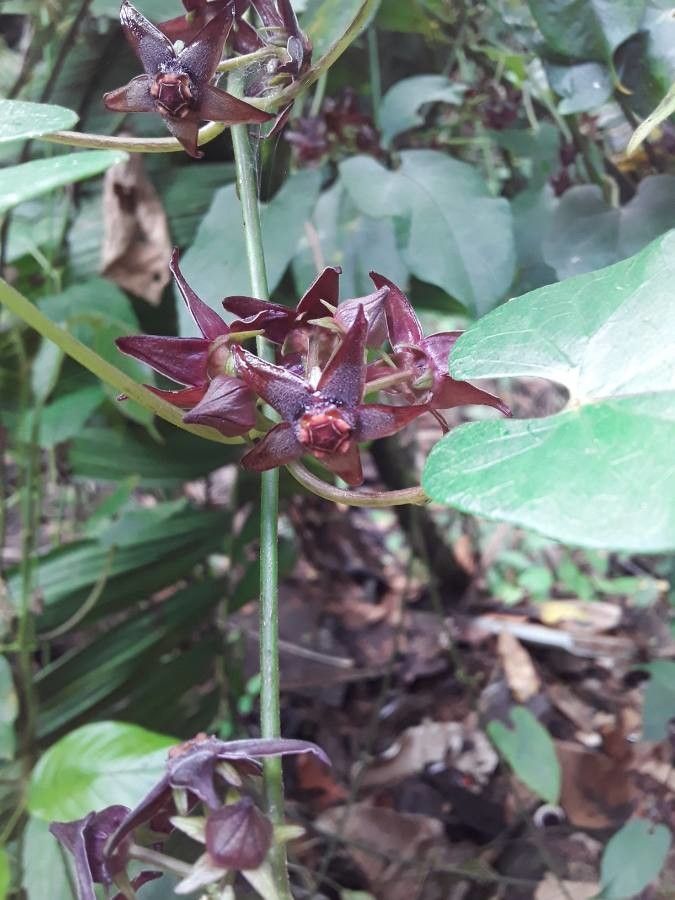
Taming the Carolina Milkvine: A Guide to Propagating Matelea carolinensis
The Carolina Milkvine (Matelea carolinensis), with its captivating star-shaped flowers and intriguing seed pods, adds a touch of wild beauty to any garden. This climbing vine, native to the southeastern United States, might seem like a challenging plant to propagate, but fear not! With a little patience and the right technique, you can successfully expand your collection of these charming climbers.
Seed Starting: An Adventure in Patience
The most common method for propagating Matelea carolinensis is through seeds. But be warned, this method demands dedication and a touch of green thumb magic. Here’s the breakdown:
- Seed Collection: Timing is everything! Gather seed pods in late summer or early fall when they turn brown and begin to split open. You’ll find fluffy, white seeds nestled inside, ready for their journey.
- Cold Stratification: Mimicking nature’s cues is key. Matelea seeds require a period of cold stratification to break dormancy. Store seeds in a moist paper towel inside a sealed plastic bag in your refrigerator for 6-8 weeks.
- Sowing Time: Once the chilly slumber is over, sow seeds in a well-draining seed starting mix, pressing them gently into the surface. Ensure the medium remains consistently moist but not waterlogged.
- Light and Warmth: Place your seed tray in a warm, bright location, avoiding direct sunlight. Patience is key; germination can take anywhere from a few weeks to a couple of months.
- Transplanting: When seedlings develop a few sets of true leaves, they’re ready for their own pots. Choose a container with good drainage and use a well-draining potting mix.
Beyond Seeds: Exploring Cuttings
If you’re seeking faster results and a sense of accomplishment, propagating Matelea carolinensis from cuttings might be your preferred route. This method often yields mature plants quicker than starting from seed. Follow these steps:
- Timing is Key: Spring is the ideal time to take cuttings, just as new growth appears on your established plant.
- Selecting the Right Cuttings: Choose healthy, non-flowering stems that are about 4-6 inches long.
- Cutting Technique: Make a clean cut just below a leaf node using a sharp, sterilized knife or pruning shears. Remove the lower leaves, leaving only a few at the top.
- Rooting Hormone (Optional): While not strictly necessary, dipping the cut end in rooting hormone can encourage faster and more successful root development.
- Planting the Cuttings: Insert the cuttings into a moist, well-draining rooting medium, such as perlite or vermiculite.
- Creating a Humid Environment: Cover the pot with a plastic bag or humidity dome to maintain moisture around the cuttings.
- Rooting Success: After a few weeks, gently tug on the cuttings to check for resistance. Resistance signifies successful root development, and you can then transplant your new Matelea carolinensis plants into individual pots.
A Rewarding Journey for Your Garden
Propagating Matelea carolinensis, whether from seed or cuttings, is a rewarding experience that connects you with the plant’s natural lifecycle. As these charming climbers twine their way across trellises and fences, they’ll attract pollinators and add a touch of wild elegance to your outdoor space. So, roll up your sleeves, embrace the challenge, and enjoy the journey of propagating this captivating native vine.