
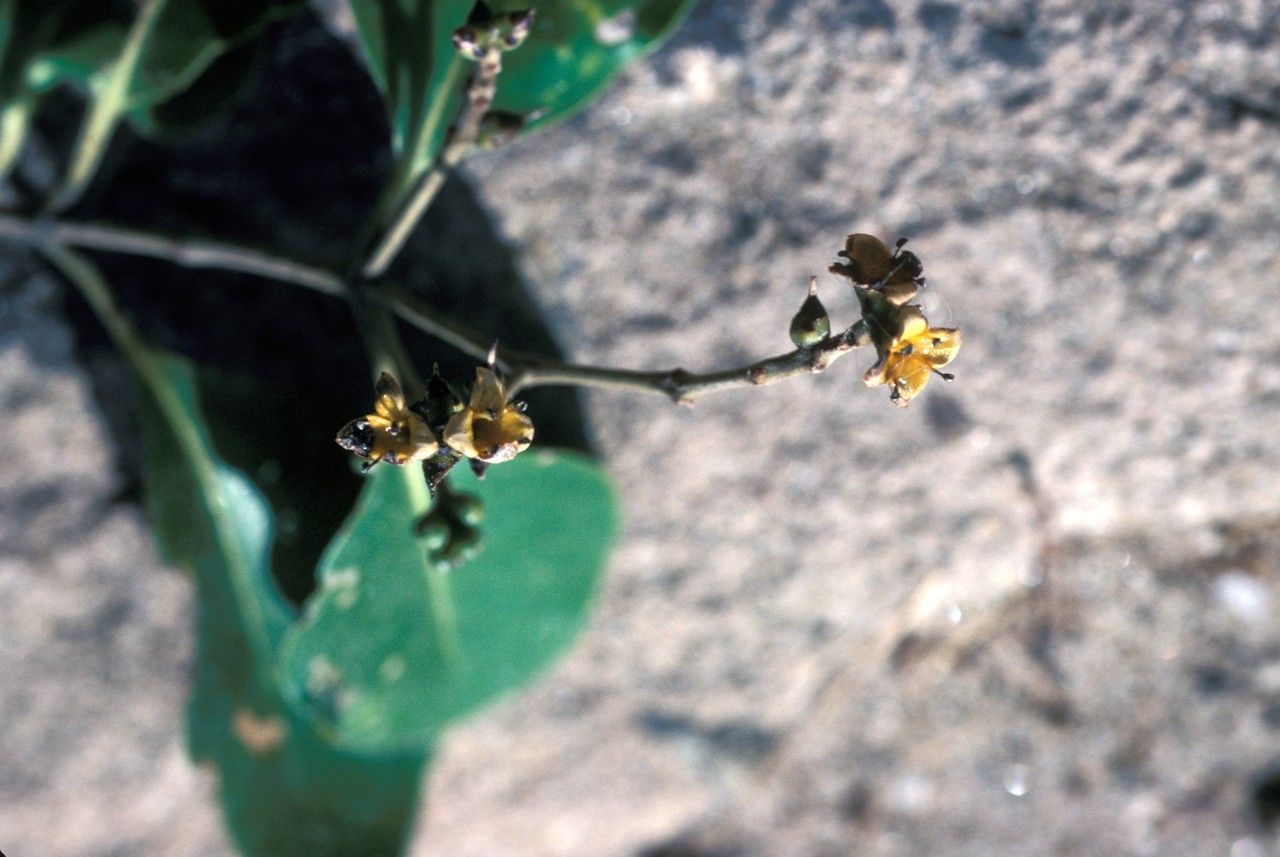
Planting the Future: Propagating the Hardy Grey Mangrove (Avicennia officinalis)
The Grey Mangrove, Avicennia officinalis, stands as a testament to nature’s resilience. Thriving in salty intertidal zones, this fascinating tree plays a vital role in coastal ecosystems, providing habitat, preventing erosion, and filtering water. Whether you’re a conservation enthusiast or simply intrigued by these unique trees, propagating your own Grey Mangrove can be a rewarding experience.
Understanding the Grey Mangrove’s Unique Reproduction
Unlike many trees, Grey Mangroves employ a fascinating strategy called viviparity. Instead of producing dormant seeds, they develop propagules: live seedlings that grow directly on the parent tree. These propagules resemble large beans and are remarkably hardy, equipped to survive long periods afloat in saltwater before taking root.
Two Paths to Propagation: Seeds vs. Propagules
You can propagate Grey Mangroves using either seeds (if you can find them!) or propagules, each with its own advantages:
Seeds: While less common, starting from seeds offers an opportunity to witness the entire lifecycle of the mangrove. However, seeds require a longer germination period and specific conditions.
- Propagules: This method provides quicker results as the propagules are already developed seedlings. They are also more readily available, often found washed ashore near mangrove habitats.
Getting Your Hands Dirty: A Step-by-Step Guide
Materials:
- Grey Mangrove propagules or seeds
- Small pots (biodegradable pots are ideal)
- Seed-starting mix or a sandy loam soil
- Sea salt (non-iodized)
- Water
- A sunny location
Instructions:
Preparing the Potting Mix: Combine your seed-starting mix with a small amount of sand (about 1 part sand to 3 parts mix) to improve drainage.
Salinity Matters: Grey Mangroves thrive in brackish water. Add sea salt to a container of water, aiming for a salinity of about 1/3 to 1/2 the strength of seawater. (You can find salinity guides online.)
Potting and Planting: Fill the pots with the prepared mix. If using propagules, gently push them vertically into the soil, pointed end up, leaving about one-third exposed. For seeds, plant them about an inch deep.
Water and Placement: Thoroughly water your pots with the prepared saltwater solution. Place them in a sunny location, ensuring they receive at least 6 hours of direct sunlight each day.
- Patience is Key: Propagules should develop roots and leaves within a few weeks. Seeds may take longer to germinate. Keep the soil consistently moist but not waterlogged.
Caring for Your Mangrove Seedlings
- Sunlight: Continue providing ample sunlight as your seedlings grow.
- Watering: Use the saltwater solution for watering, allowing the soil to slightly dry out between waterings.
- Fertilizer: After a few months, you can supplement their growth with a diluted fertilizer specifically designed for mangroves or saltwater-tolerant plants.
A Rewarding Endeavor
Propagating Grey Mangroves is not just about growing a plant; it’s about participating in the conservation of these vital ecosystems. Whether you eventually plant your mangroves in a suitable coastal area (check local regulations) or keep them as unique potted specimens, you’ll contribute to preserving these remarkable trees for generations to come.