
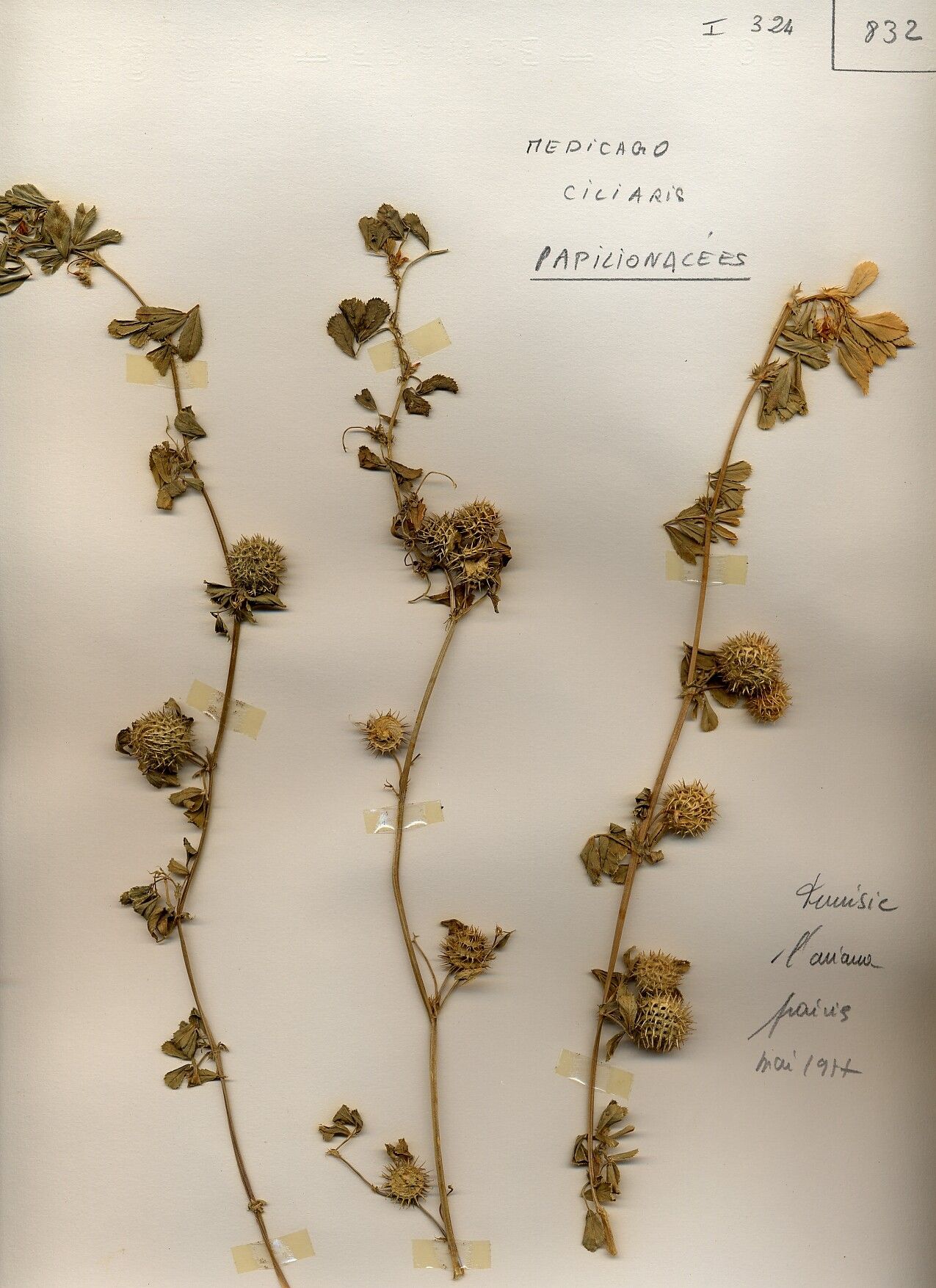
Seeding Success: Your Guide to Propagating Medicago ciliaris
Medicago ciliaris, also known as fringed medick, is a hardy legume gaining traction for its use in pasture mixes and erosion control. But how do you go about growing this wonder plant? This guide dives into the world of Medicago ciliaris propagation, equipping you with the knowledge to cultivate this beneficial species successfully.
Why Choose Medicago ciliaris?
Before delving into propagation, let’s explore what makes this plant special. Medicago ciliaris offers a plethora of benefits:
- Drought Tolerance: It thrives in arid and semi-arid environments, making it ideal for regions with limited water availability.
- Erosion Control: Its vigorous root system effectively binds soil, preventing erosion on vulnerable slopes and embankments.
- Forage Value: Medicago ciliaris is highly palatable and nutritious for livestock, serving as a valuable addition to grazing pastures.
- Nitrogen Fixation: Like other legumes, it forms a symbiotic relationship with nitrogen-fixing bacteria, improving soil fertility.
Propagation Techniques
The most reliable way to propagate Medicago ciliaris is through seed. Here’s a step-by-step breakdown:
1. Seed Acquisition:
- Source high-quality seeds from reputable suppliers specializing in pasture and forage crops.
- Ensure the seeds are certified for germination rate and free from diseases.
2. Pre-Planting Treatment:
- Scarification (optional): Medicago ciliaris seeds have a hard outer coating. To improve water absorption and germination, gently rub a small quantity of seeds between two sheets of sandpaper.
- Inoculation (recommended): Enhance nitrogen fixation by coating the seeds with a legume-specific inoculant. This introduces beneficial bacteria to the soil.
3. Sowing:
- Timing: Ideally, sow in early spring or fall when the soil temperatures are cool and moisture is ample.
- Depth: Plant the seeds approximately ¼ to ½ inch deep.
- Spacing: Allow for adequate spacing between rows (12-18 inches) to facilitate air circulation and ease of management.
- Soil Preparation: Medicago ciliaris prefers well-drained soil with a slightly acidic to neutral pH (6.0-7.0). Amend the soil with compost or aged manure to enhance its fertility and drainage.
4. Watering and Maintenance:
- Irrigation: Provide consistent moisture, especially during the initial establishment phase. However, avoid overwatering, which can lead to root rot.
- Weed Control: Keep the planting area free of competing weeds through regular hand weeding or careful shallow cultivation.
- Fertilization: Once established, Medicago ciliaris typically requires minimal fertilization. However, conducting a soil test can help determine if any nutrient deficiencies need addressing.
Reaping the Benefits
With consistent care, your Medicago ciliaris will flourish, contributing to soil health, erosion control, and providing valuable forage. While the plant might require a little extra attention during the initial establishment phase, the long-term benefits for your land and livestock make it a rewarding endeavor.
Beyond Propagation:
Once established, Medicago ciliaris typically requires minimal management. However, it’s essential to be aware of potential pests and diseases. Regular monitoring for aphids, caterpillars, and fungal diseases will enable timely intervention if needed.
Happy propagating!