
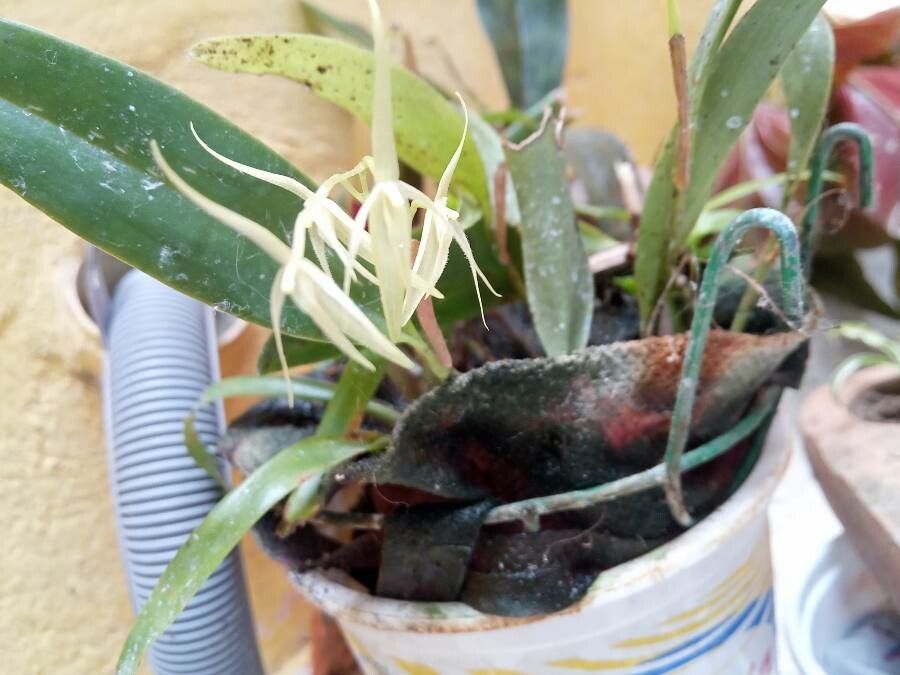
Unlocking the Secrets to Multiplying Your Maxillaria ctenostachys: A Propagation Guide
The Maxillaria ctenostachys, with its charming, compact form and delightful floral displays, is a coveted orchid for both seasoned collectors and enthusiastic beginners. While caring for this beauty brings immense satisfaction, there’s something even more rewarding: propagating it to expand your collection or share its allure with friends.
This guide delves into the art of Maxillaria ctenostachys propagation, equipping you with the knowledge to multiply your cherished orchid.
Understanding the Fundamentals
Before we dive into the how-to’s, let’s grasp some basics. Unlike propagating plants from seeds, which can be a bit of a gamble with orchids, we’ll be focusing on vegetative propagation. This simply means creating new plantlets from existing vegetative parts – a much faster and more reliable approach.
The Two Primary Methods
For Maxillaria ctenostachys, two propagation methods reign supreme:
1. Division:
This method capitalizes on the orchid’s natural clumping habit. Over time, your Maxillaria ctenostachys will develop multiple growths, each with its own set of pseudobulbs and roots. Dividing these clumps allows you to create independent plants.
- Timing is Key: Ideally, divide during spring, just before the active growing season kicks in.
- Tools of the Trade: You’ll need a sterilized sharp knife or pruning shears, a pot for each division, and fresh orchid potting mix.
- The Process:
- Carefully remove the orchid from its pot.
- Gently tease apart the roots and identify natural division points with at least 3-4 healthy pseudobulbs and a good root system.
- Using your sterilized tool, separate the clumps.
- Pot each division in fresh potting mix, ensuring the base of the pseudobulbs is level with the soil surface. Water thoroughly.
2. Backbulbs:
Backbulbs are mature, leafless pseudobulbs that hold the potential for new growth. While division yields quicker results, propagating from backbulbs can be an exciting, long-term project.
- Identifying a Suitable Backbulb: Look for plump, healthy backbulbs with visible nodes (small, slightly raised bumps).
- Materials: You’ll need sphagnum moss, a small pot or seed tray, humidity dome (optional), and patience!
- Procedure:
- Carefully detach the backbulb from the mother plant.
- Place the backbulb on a bed of lightly moistened sphagnum moss in your chosen container. Ensure the node is facing upwards.
- Cover the container with a humidity dome to maintain moisture or place it in a warm, humid location.
- Patience is Key: Mist the moss regularly to keep it slightly damp. With consistent care and some luck, new growth will emerge from the nodes in a few months to a year.
Post-Propagation Care
- Light: Provide bright, indirect light for both divisions and backbulb propagations.
- Watering: Keep the potting mix consistently moist but not soggy.
- Humidity: Maintain moderate to high humidity levels, especially for backbulb propagations.
- Fertilizer: Once new growth establishes, fertilize regularly with a diluted orchid fertilizer.
Embrace the Journey!
Propagating your Maxillaria ctenostachys is an adventure that deepens your connection with this captivating orchid. With the right knowledge and a dash of patience, you can multiply your plant family and revel in the joy of nurturing new life. Happy propagating!