
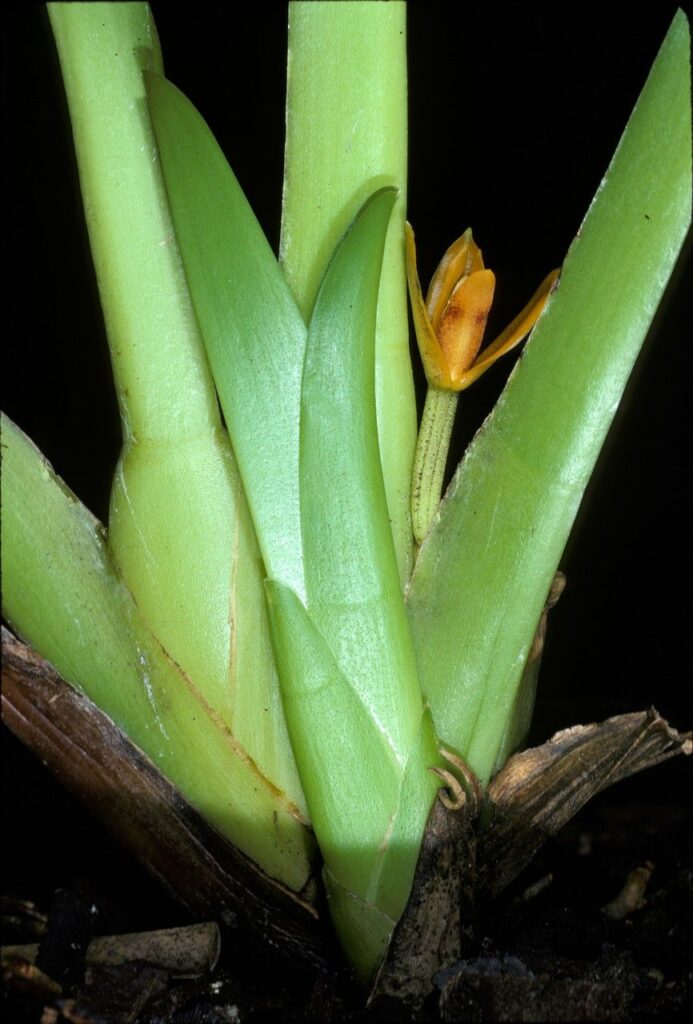
Orchids in Bloom: Unlocking the Secrets of Maxillaria Discolor Propagation
The delicate beauty of orchids, like the captivating Maxillaria discolor, has captivated gardeners for centuries. These epiphytic wonders grace our homes with their vibrant blooms, bringing a touch of the tropics indoors. But have you ever wondered how to multiply your own Maxillaria discolor collection? The answer lies in the fascinating world of propagation.
Delving into the Depths of Maxillaria Discolor Propagation
While orchids are known for their intricate beauty, their propagation methods can seem a bit daunting. Fear not! With a little insight and patience, you can successfully propagate Maxillaria discolor and enjoy a flourishing orchid family.
1. Division: The Simplest Route
The simplest and most common method is division. This involves separating a mature plant into two or more sections, each with its own root system.
- Timing is Key: Ideally, division should be conducted during repotting, usually in spring or early summer.
- The Process: Gently remove the plant from its pot and carefully separate the pseudobulbs (the swollen stems that store water and nutrients). Ensure each division has at least 3-4 pseudobulbs and a healthy root system.
- Repotting: Plant each division in a well-draining orchid potting mix, ensuring the roots are well-spread.
2. Keiki: A Tiny Gem Emerging
Keikis are miniature plantlets that grow on the flower stalk or pseudobulbs.
- Spotting a Keiki: Look for tiny, developing leaves and rootlets appearing on the mature plant.
- Encouraging Keiki Formation: Some orchid enthusiasts use a hormone paste to stimulate keiki growth.
- Separation: Once the keiki has developed its own roots, it can be gently separated from the parent plant and potted in a suitable mix.
3. Seed Propagation: The Complex Journey
While seed propagation is challenging and often requires specialized equipment, it’s a fascinating process for dedicated orchid enthusiasts.
- Seed Capsules: Collect seed capsules from mature flowers and sterilize them.
- Asceptic Conditions: Seeds need to be sown in a sterile, controlled environment under aseptic conditions.
- Germination: This process takes time and patience, with specialized media and specific growing conditions required.
Key Considerations for Success
- Humidity and Temperature: Maxillaria discolor thrives in humid environments with moderate temperatures.
- Watering: Water your newly propagated plants thoroughly but avoid overwatering. Allow the potting mix to dry slightly between waterings.
- Light: Provide bright, indirect light, avoiding direct sunlight.
Patience is a Virtue
Orchid propagation takes time and patience. Be mindful of the specific needs of your Maxillaria discolor and provide a suitable environment for growth. With a little care and attention, you’ll be rewarded with the joy of witnessing your own orchids flourish.
Embrace the Journey:
Propagation is a fascinating aspect of orchid cultivation. While it requires patience and care, the satisfaction of seeing your own Maxillaria discolor plants thrive is immeasurable. So, take the plunge, embark on this rewarding journey, and enjoy the blooming beauty of your orchid collection!