
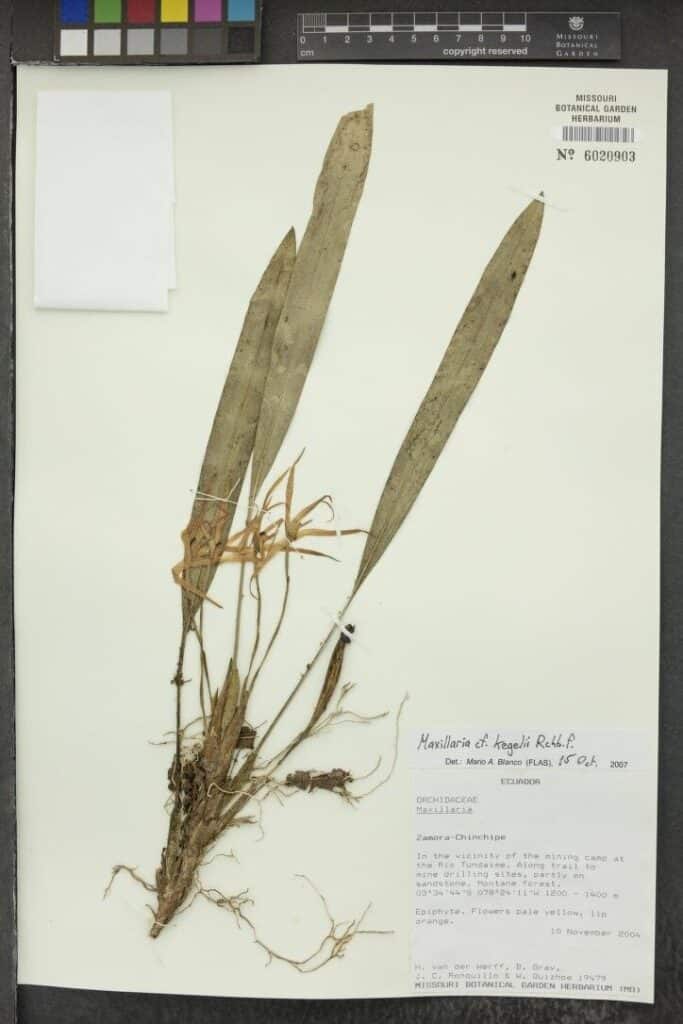
Unlocking the Secrets of Maxillaria kegelii: A Propagation Primer
The Maxillaria kegelii, with its charming, coconut-scented blooms, is a delightful addition to any orchid enthusiast’s collection. But have you ever thought about expanding your fragrant family by propagating this beautiful species? While it might seem daunting, propagating Maxillaria kegelii isn’t as complicated as you might think. Let’s delve into the world of orchid propagation and discover how you can successfully multiply your Maxillaria kegelii.
Understanding the Basics
Before we jump into the methods, let’s understand how Maxillaria kegelii naturally reproduces. Like many orchid species, Maxillaria kegelii can be propagated through two primary methods:
-
Division: The most common and generally easiest method. Mature plants often produce multiple growths or “pseudobulbs” connected by a rhizome. Dividing these clustered growths effectively creates new plants.
- Backbulbs: Older, leafless pseudobulbs, while seemingly dormant, possess the potential for new growth. With a little patience and the right conditions, these backbulbs can sprout new plantlets.
Diving into Division
Division is best undertaken during the plant’s active growing season, ideally in spring or early summer. Here’s how:
- Prep Work: Gather a sterilized cutting tool (shears or a sharp knife), a pot with fresh orchid mix, and cinnamon powder (a natural antifungal).
- Careful Extraction: Gently remove the Maxillaria kegelii from its pot.
- Division Time: Using your sterilized tool, carefully separate the rhizome, ensuring each division has at least 3-4 healthy pseudobulbs.
- Treating the Wounds: Dust all cut surfaces with cinnamon powder to prevent infection.
- Potting it Up: Plant each division in well-draining orchid mix, ensuring the base of the pseudobulbs is level with the potting medium.
- Post-Division Care: Place the newly potted divisions in a warm, humid environment with bright, indirect light. Water sparingly until new growth emerges, indicating the divisions have successfully taken root.
The Patience of Backbulb Propagation
Propagating from backbulbs requires greater patience but can be equally rewarding:
- Selecting the Backbulbs: Choose plump, healthy backbulbs free from any damage or disease.
- Creating the Right Environment: Place the backbulbs in a shallow tray filled with moistened sphagnum moss. Cover the tray with a clear lid or plastic wrap to maintain humidity.
- Waiting Game: Place the tray in a warm, shaded area, and watch closely for any signs of new growth. This process might take several weeks or even months.
- Potting the New Arrivals: Once the backbulbs sprout new roots and leaves, they can be carefully potted in an individual pot with orchid mix.
Essential Tips for Success
- Hygiene is Key: Always sterilize your cutting tools before and after use to prevent the spread of diseases.
- Patience is a Virtue: Orchid propagation, especially from backbulbs, is a waiting game. Don’t be discouraged if you don’t see results immediately.
- Optimal Conditions are Crucial: Provide your new propagations with the same care and conditions as mature Maxillaria kegelii for the best chance of success.
Propagating your Maxillaria kegelii is a rewarding experience, allowing you to expand your collection and share the joy of these fragrant beauties. With a little patience and care, you’ll soon have a flourishing family of coconut-scented orchids!