
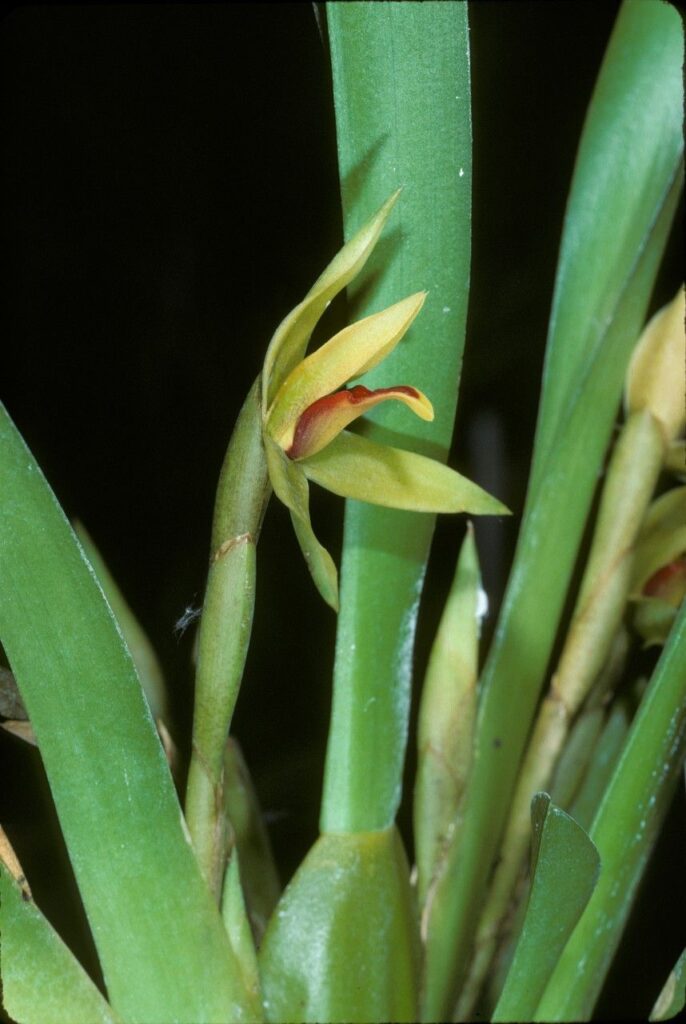
Unmasking the Secrets of Maxillaria Nasuta Propagation: A Beginner’s Guide
The Maxillaria nasuta, with its intriguing, mask-like blooms and enchanting fragrance, might seem like a plant best left to expert orchid growers. However, unmasking the secrets of its propagation reveals a surprisingly accessible process, even for beginners. Let’s delve into the world of Maxillaria nasuta propagation and empower you to expand your orchid family!
Understanding the Maxillaria Nasuta
Before we dive into propagation, it’s crucial to understand the plant itself. The Maxillaria nasuta is an epiphytic orchid, meaning it naturally grows on trees, deriving moisture and nutrients from the air and rain. This characteristic plays a crucial role in how we approach its propagation.
Methods for Success
The most common and successful method for propagating Maxillaria nasuta is division. Unlike some orchids that require seeds or specialized tissue culture, this species readily multiplies through its rhizome system.
Step-by-Step Division Guide:
- Timing is Key: The ideal time for division is during spring, just as the plant begins its active growth phase.
- Healthy Plant, Healthy Divisions: Choose a mature, healthy Maxillaria nasuta with at least 6-8 pseudobulbs. This ensures each division has enough energy reserves to thrive.
- Tools of the Trade: Gather sterilized cutting tools (pruning shears or a sharp knife), a fungicide powder, and appropriate potting medium (a mix of bark, perlite, and sphagnum moss works well).
- The Art of Division: Carefully remove the plant from its pot. Using your clean, sharp tool, divide the rhizome into sections, ensuring each section has at least 3-4 healthy pseudobulbs and a lead growth.
- Dust for Protection: Dip the cut ends of each division into fungicide powder to prevent infection.
- Potting Your New Plants: Plant each division in a pot slightly larger than its root system, ensuring the base of the pseudobulbs sits at or slightly above the potting mix level.
- Nurturing New Beginnings: Water sparingly for the first few weeks, allowing the potting medium to dry out slightly between waterings. Place your divisions in a warm, humid environment with bright, indirect light.
Beyond Division: Back Bulb Propagation
While division reigns supreme, patient growers can try their hand at back bulb propagation. Back bulbs are older, leafless pseudobulbs that sometimes sprout new growths. Remove these carefully and pot them individually in a moist, sphagnum moss-rich medium. This method requires more time and attention but can be rewarding.
Signs of Successful Propagation
Within a few weeks, you should start seeing new growth emerging from the base of your divisions or back bulbs. This signifies successful establishment and signals the beginning of a new life cycle for your propagated Maxillaria nasuta.
Propagation: A Rewarding Journey
Propagating your Maxillaria nasuta is a rewarding experience that turns your passion for plants into an act of creation. Not only will you be expanding your own collection, but you’ll be contributing to the preservation and enjoyment of this fascinating orchid species for years to come. So why not unmask the secrets of propagation and embark on this fulfilling journey yourself?