
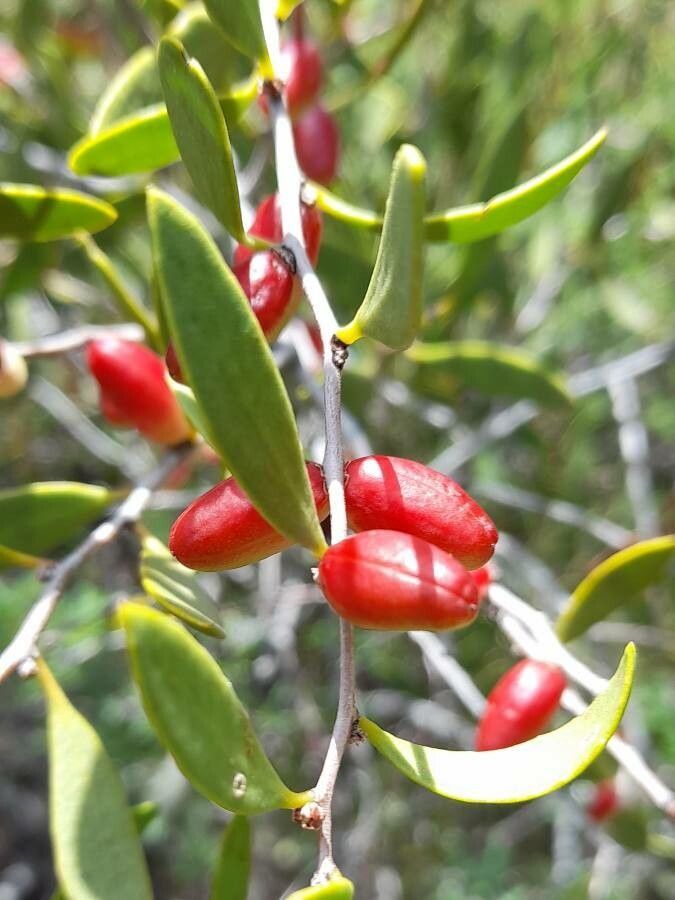
From Seed to Sapling: Unlocking the Secrets of Propagating Maytenus viscifolia
Maytenus viscifolia, often called the “sticky-leaved mayten,” is a charming and hardy shrub native to South Africa. With its glossy, evergreen foliage and attractive, small white flowers, it’s no wonder this plant has captured the hearts of many gardeners. But did you know that propagating Maytenus viscifolia is surprisingly simple, allowing you to share this beauty with others or expand your own green oasis?
Starting with Seeds: A Patient Approach
Maytenus viscifolia can be propagated through seeds, although this method requires a bit more patience than other techniques. First, gather mature berries from your plant. These berries are typically red or purple and contain the seeds.
- Extraction: Gently crush the berries to separate the seeds. Wash them thoroughly to remove any remaining pulp.
- Scarification: Because the seed coat is hard, you need to help it germinate. Scarification, or slightly weakening the outer layer, can be done by using sandpaper, a nail file, or even a sharp knife.
- Stratification: Now, for the all-important cold stratification. This mimics the natural winter conditions that seeds experience in their native habitat. Place the seeds in a sealed container filled with moist vermiculite or peat moss. Store them in a refrigerator at around 40°F (4°C) for 6-8 weeks.
- Sowing: After stratification, you can sow the seeds in a seed tray or pots filled with a well-draining seed-starting mix. Cover the seeds lightly with soil and keep them moist.
- Patience is Key: Patience is key when starting from seed. Maytenus viscifolia seeds can take several months to germinate. Be sure to provide adequate moisture, light, and warmth.
Cutting the Corners: Vegetative Propagation
For a quicker way to propagate Maytenus viscifolia, consider vegetative propagation. This method involves taking cuttings from existing plants and encouraging them to develop their own root systems.
- Softwood Cuttings: Take cuttings from the new, non-woody growth, preferably in the early summer. Use clean, sharp shears to cut 4-6 inches long pieces, ensuring each cutting has at least 3-4 nodes (leaf junctions). Remove the bottom leaves.
- Hormones (Optional): Dip the cut end of each cutting in rooting hormone powder for an added boost. This isn’t essential but may help to encourage root development.
- Potting Mix: Prepare pots or trays filled with a well-draining potting mix. Make a small hole in the mix and insert the cutting, leaving at least two nodes above the soil line. Firm the soil around the base of the cutting.
- Moisture and Humidity: Maintain a consistently moist environment around the cuttings by covering them with a clear plastic dome or bag. This will create a humid microclimate that encourages root formation.
- Light and Patience: Place the cuttings in a bright location, but avoid direct sunlight. Ensure the soil remains evenly moist. With proper care, you can expect roots to develop in 4-6 weeks.
Tips for Success
- Timing is Key: The best time for propagating Maytenus viscifolia is during the spring or early summer for softwood cuttings. For seed propagation, it’s best to start in the late fall or winter.
- Soil and Drainage: Maytenus viscifolia prefers well-draining soil to prevent root rot.
- Light: These shrubs thrive in full sun to partial shade.
- Watering: Water regularly, but allow the soil to dry slightly between waterings.
- Fertilizing: Apply a balanced fertilizer during the growing season.
Sharing the Joy
Once your new Maytenus viscifolia plants have established, you can pot them up individually, share them with fellow gardening enthusiasts, or simply add them to your own garden for a touch of evergreen beauty. Whether you choose to grow them from seed or cuttings, the process of propagating this remarkable shrub is a rewarding experience that allows you to connect with nature and create something truly special.