
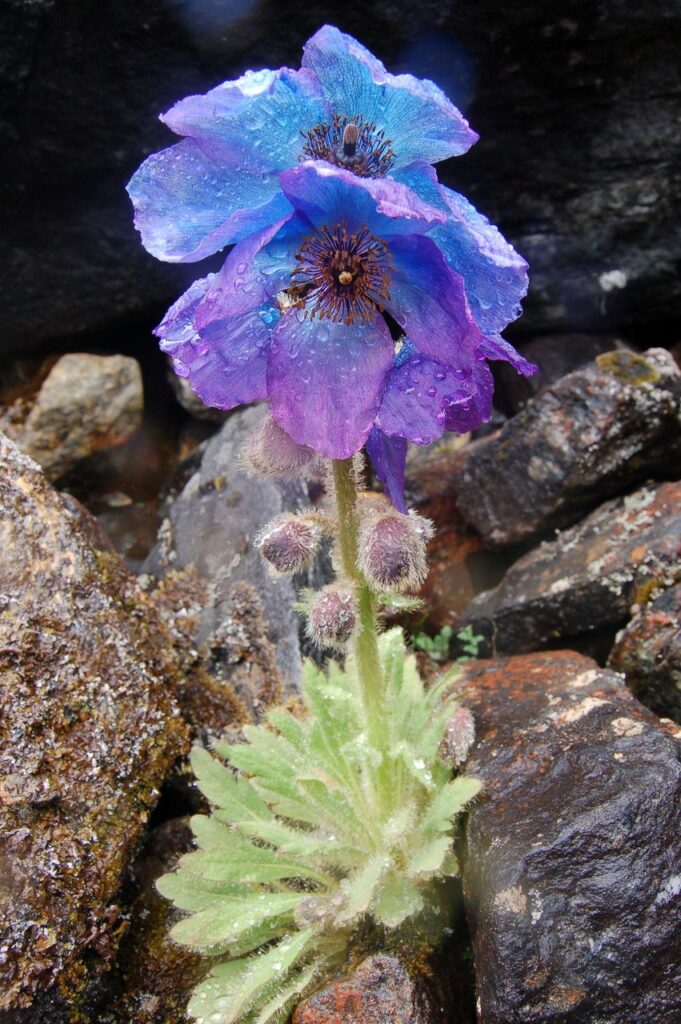
Unveiling the Mystery: Propagating the Elusive Himalayan Blue Poppy (Meconopsis bhutanica)
The Himalayan Blue Poppy, Meconopsis bhutanica, is a plant whispered about in gardening circles. This ethereal flower, with its sky-blue petals blooming against a backdrop of rugged Himalayan peaks, holds an allure that captivates plant enthusiasts. However, cultivating this beauty from seed is often seen as a challenging feat, reserved for seasoned gardeners. While not exactly a walk in the park, successfully propagating Meconopsis bhutanica is achievable with the right knowledge and a dash of patience.
Seeds of Success: The Preferred Propagation Method
While Meconopsis bhutanica can be propagated through root cuttings, success rates are low. Seed propagation, while still challenging, offers a more reliable path to welcoming these blue beauties into your garden.
Collecting and Sowing Seeds:
- Source Fresh Seeds: The fresher the seeds, the higher the germination rate. Purchase from reputable suppliers specializing in alpine plants or join seed exchange programs.
- Timing is Key: Sow seeds in late winter or early spring (January-March). This mimics their natural cycle of experiencing a cold period before germination.
- Sowing Technique: Use a well-draining seed starting mix, sprinkle seeds on the surface, and lightly press them in. Don’t bury them; these seeds need light to germinate.
Germination: A Waiting Game
Here’s where the patience comes in. Germination can take anywhere from a few weeks to several months.
- Provide Cool Temperatures: Maintain a temperature around 10-15°C (50-59°F) for optimal germination.
- Maintain Consistent Moisture: Keep the soil consistently moist but not waterlogged. A mister can be helpful to avoid disturbing the tiny seeds.
- Bright, Indirect Light: Once seedlings emerge, provide them with bright, indirect light.
Transplanting and Beyond:
- Prick Out Seedlings: When the seedlings have developed a couple of true leaves, carefully transplant them into individual pots.
- Gradual Acclimatization: Before planting outdoors, gradually acclimatize the seedlings to outdoor conditions over a week or two.
- Choose the Right Spot: Meconopsis bhutanica thrives in cool, shady locations with moist, well-drained soil. Mimic their natural habitat by planting them in a woodland garden or a shady border.
Nurturing Your Himalayan Blue Poppies:
- Watering: Maintain consistently moist soil, especially during dry periods.
- Fertilizing: Apply a balanced, slow-release fertilizer in spring.
- Deadheading: Removing spent flowers can encourage more blooms.
Challenges and Troubleshooting:
- Damping Off: This fungal disease can be a problem for young seedlings. Use sterile soil and avoid overwatering to prevent it.
- Slugs and Snails: These pests are particularly fond of Meconopsis seedlings. Implement suitable pest control measures.
A Rewarding Endeavor:
While challenging, the successful propagation of Meconopsis bhutanica is incredibly rewarding. Watching these seeds transform into breathtaking blooms is a testament to a gardener’s dedication and a privilege to witness. So, embrace the challenge and bring a touch of Himalayan magic to your own garden.