
Unlocking the Secrets of Blue Poppy Propagation: A Guide for Beginners
The Himalayan Blue Poppy, scientifically known as Meconopsis simplicifolia, is a breathtaking sight. Its vibrant blue flowers, resembling a miniature version of the iconic blue poppy, are a true jewel of the garden world. But acquiring these beauties can be a challenge. That’s where propagation comes in.
This guide will delve into the intricacies of propagating Meconopsis simplicifolia, offering beginner-friendly techniques that can help you cultivate your own patch of these captivating blooms.
Understanding the Basics:
Meconopsis simplicifolia is a species that prefers cool, moist, and shady conditions, similar to its native Himalayan habitat. These factors are crucial to remember when opting for propagation methods.
Methods for Propagation:
1. Seed Propagation:
This is the most common and reliable way to propagate Meconopsis simplicifolia. Here’s a step-by-step guide:
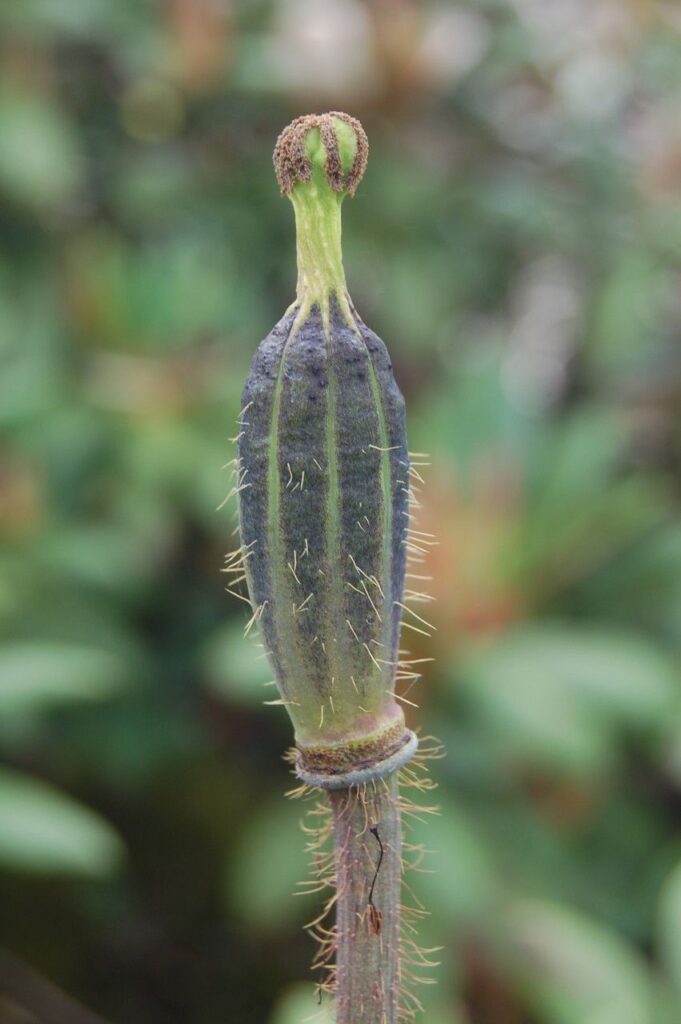
- Collect Seeds: Collect ripe seed pods from your existing plants. Allow them to dry thoroughly before extracting the seeds.
- Prepare the Soil: Use a well-draining seed compost with a pH between 5.5 and 6.5. Fill seed trays or pots with this mixture.
- Sowing: Gently press the seeds onto the surface of the soil and cover them lightly with a fine layer of compost.
- Watering: Water the tray thoroughly and keep it uniformly moist.
- Germination: Maintain a consistent temperature of 15-20°C (59-68°F) and provide excellent light, but avoid direct sunlight. Germination can take 4 to 8 weeks.
- Pricking Out: Once seedlings have developed two true leaves, gently lift them and transplant them individually into small pots.
2. Division:
This technique is suitable for established plants, typically those two to three years old.
- Timing: Divide plants in early spring, ideally after the first flush of flowers.
- Procedure: Carefully separate the plant, ensuring each division has healthy roots and buds.
- Planting: Plant the divisions in a well-prepared, moist area that meets the plant’s specific needs.
3. Cuttings:
Meconopsis simplicifolia can be propagated through stem cuttings, but this method is less successful and requires more expertise compared to seeds or division.
Important Tips for Successful Propagation:
- Choose the Right Time: Ensure your selected method aligns with the optimal time for propagation.
- Use Sterile Tools: Sterilize tools before and after use to prevent fungal infections and diseases.
- Avoid Overwatering: Allow the soil to dry slightly between waterings to prevent root rot.
- Provide Shade: Protect the young plants from full sun, especially during the hottest part of the day.
- Be Patient: Propagation requires patience and consistent care. Don’t be discouraged if you experience setbacks.
Cultivating a Thriving Himalayan Blue Poppy Patch:
Once your propagated plants are established, providing them with the right conditions is crucial for their long-term health. This means ensuring they have access to:
- Cool, moist, and shady environment: Simulate their natural habitat by providing a cool and shady location with adequate mulch to keep the soil moist.
- Well-draining soil: Avoid soggy conditions as this can lead to root rot.
- Regular watering: Water consistently, ensuring the soil remains moist but not waterlogged.
By incorporating these propagation techniques and providing the necessary care, you can cultivate a vibrant collection of Meconopsis simplicifolia that will grace your garden with their stunning blue blossoms season after season. Remember, every successful propagation is a testament to your patience and dedication, paving the way for a flourishing garden filled with the mesmerizing beauty of the Himalayan Blue Poppy.