
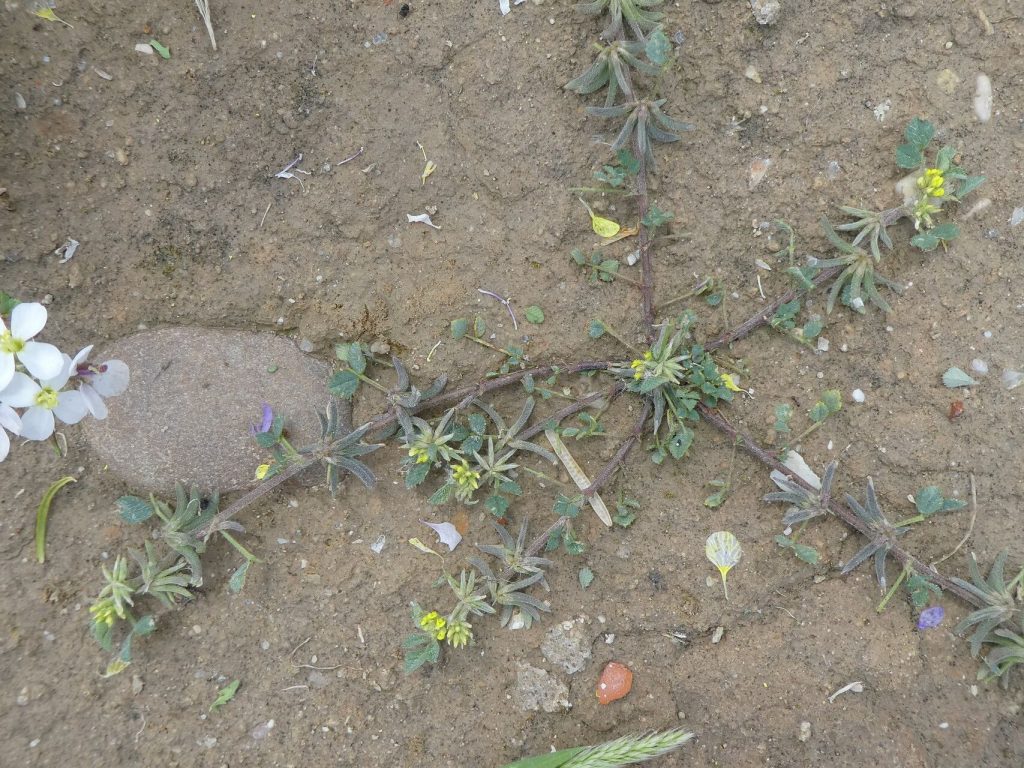
Propagating Medicago monspeliaca: A Guide to the Spotted Medick
Introduction:
Medicago monspeliaca, commonly known as Spotted Medick, is a charming, low-growing legume with attractive, small yellow flowers and distinctive spotted leaves. Its drought tolerance and ability to fix nitrogen in the soil make it a valuable addition to gardens, particularly in drier climates or as a ground cover for erosion control. Although relatively easy to establish once grown, propagating Spotted Medick presents some unique challenges. Its popularity among ecologically minded gardeners is increasing, making efficient propagation techniques all the more relevant.
Seed Germination:
Seed germination is a viable method for propagating Medicago monspeliaca, although it can be challenging. The hard seed coat often inhibits germination. This requires overcoming dormancy, typically achieved through scarification. Methods include:
- Mechanical Scarification: Gently nicking or rubbing the seed coat with sandpaper. Be careful not to damage the embryo.
- Chemical Scarification: Soaking seeds in concentrated sulfuric acid for a short period (consult specific guidelines for this method, as it can be dangerous).
- Stratification: While not strictly necessary for all Medicago monspeliaca seeds, cold stratification (placing seeds in moist vermiculite or peat moss and refrigerating them for several weeks at approximately 4°C) can improve germination rates.
Tips for Sowing: Sow seeds directly into well-draining soil in a sunny location, pressing them lightly into the surface. Maintain consistent moisture until germination, which can take several weeks.
Rewards: Seed germination offers significant advantages, including high genetic diversity and the potential for large-scale propagation.
Cuttings:
Currently, there are no known reliable methods for propagating Medicago monspeliaca using cuttings. The success rate appears to be extremely low, likely due to the plant’s physiology and difficulty in rooting.
Division:
Division is a relatively simple and effective method for propagating Medicago monspeliaca.
Challenges: Division is best done in spring or fall when the plant is actively growing but not under stress from extreme heat or cold. It requires carefully separating established plants into smaller clumps, ensuring each division has sufficient roots and foliage.
Tips for Division: Use a sharp spade or knife to divide the root system, aiming for sections with several healthy stems. Plant the divisions immediately into well-prepared soil, maintaining adequate moisture until they become established.
Rewards: Division offers a quick and reliable method for increasing the number of plants, and it maintains the genetic characteristics of the parent plant.
Tissue Culture:
Tissue culture propagation of Medicago monspeliaca is possible but generally requires specialized laboratory equipment and expertise. It’s not a practical method for home gardeners.
Challenges: Establishing sterile cultures and developing optimal media formulations for shoot multiplication and rooting can be complex and time-consuming. Specific protocols for Medicago monspeliaca might need to be developed.
Tips for Tissue Culture (for those with experience): Explore the literature on tissue culture propagation of related Medicago species for guidance. Consider using various growth regulators to optimize shoot proliferation and root formation.
Rewards: Tissue culture allows for rapid multiplication of desirable genotypes and disease-free plants, crucial for mass propagation and research purposes.
Conclusion:
Propagating Medicago monspeliaca presents a unique set of challenges and rewards. While seed germination offers the potential for large-scale propagation, it necessitates overcoming dormancy issues. Division is a simpler and more reliable method for home gardeners, offering a quick way to increase plant numbers. Cuttings and tissue culture are currently not practical options without specialized knowledge and resources. The satisfaction of successfully cultivating this hardy plant, especially after overcoming the propagation hurdles, is deeply rewarding for any gardener who appreciates this tough, adaptable, and visually appealing legume. Don’t be discouraged by the initial challenges – experiment with the methods outlined above, and celebrate each new Spotted Medick you successfully propagate.