
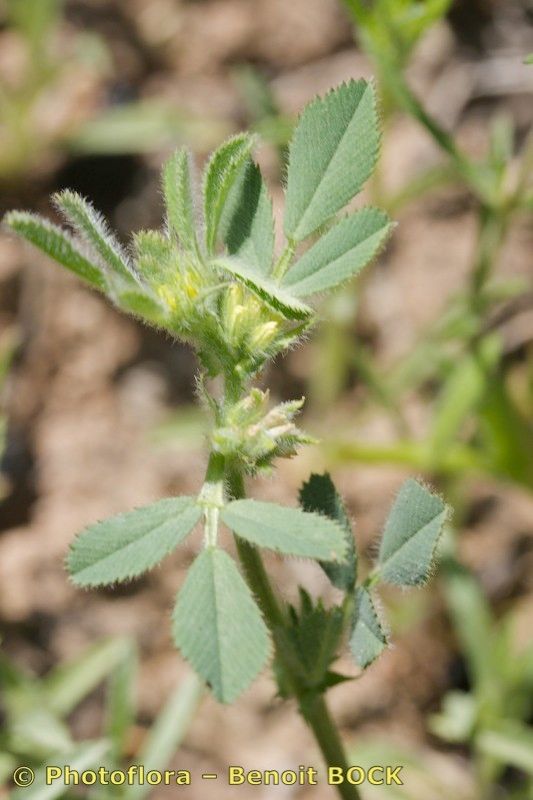
Propagating Medicago ovalis: A Guide for Gardeners
Introduction:
Medicago ovalis, also known as the oval-leaved medic or small burr medic, is a low-growing, spreading legume native to Europe and the Mediterranean region. Its small, oval-shaped leaves and delicate, yellow flowers make it a charming addition to rock gardens, wildflower meadows, and as ground cover. While not as widely cultivated as some other Medicago species, its drought tolerance and ability to fix nitrogen in the soil make it a valuable plant for eco-conscious gardeners. Its propagation, however, presents some unique challenges.
Seed Germination:
Seed germination is a viable, albeit challenging, method for propagating Medicago ovalis. The primary hurdle lies in the hard seed coat, which inhibits water uptake and germination. This dormancy mechanism is a natural adaptation to ensure survival in harsh conditions.
Challenges: Hard seed coat, slow germination rate.
Practical Tips: Scarification (lightly nicking or abrading the seed coat with sandpaper or a file) is crucial before sowing. Stratification (placing seeds in moist media at cold temperatures (around 4°C for 4-6 weeks) can also improve germination rates. Sow seeds directly outdoors in a well-drained, sunny location in spring or autumn, barely covering them with soil.
Rewards: Seed-grown plants offer significant genetic diversity, ensuring a robust and adaptable population. This method is also potentially cost-effective for large-scale propagation.
Cuttings:
Currently, there are no known reliable methods for propagating Medicago ovalis from cuttings. This species appears to have limited capacity for vegetative propagation via cuttings.
Division:
Division is a feasible method for propagating Medicago ovalis, particularly when established plants are of sufficient size. However, it is not the most efficient technique for large-scale propagation.
Challenges: Requires established, mature plants; can be stressful to the plant if not done carefully.
Practical Tips: Divide the plant in spring or autumn, carefully separating the root crown into smaller sections, each with healthy roots and shoots. Replant immediately in suitable soil and water well.
Rewards: Relatively straightforward method for established plants, providing a quick way to increase the number of plants.
Tissue Culture:
While there is limited published research specifically on Medicago ovalis tissue culture, it is theoretically possible. However, developing a successful protocol would require substantial experimentation to identify the optimal growth media, hormones, and sterilization procedures.
Challenges: Requires specialized equipment, skills, and sterile lab conditions; can be costly and time-consuming.
Practical Tips: Consult specialized literature on Medicago tissue culture for guidance. This is not readily applicable for home gardeners.
Rewards: Large-scale propagation with genetically uniform plants is possible, ideal for specific cultivar propagation.
Conclusion:
Propagating Medicago ovalis presents its share of challenges, varying across methods. While seed germination offers the most potential for genetic diversity and large-scale propagation, overcoming the seed’s dormancy requires careful preparation. Division represents a viable but less efficient method. Cuttings and tissue culture are currently not established techniques. However, the unique aesthetic qualities of this plant and the satisfaction of successfully nurturing a plant from seed or division make it a worthwhile endeavor for gardeners.
With careful attention to detail and patience, the rewards of successfully cultivating Medicago ovalis far outweigh the hurdles. Aspiring propagators are encouraged to experiment with seed scarification and stratification, and division if they have established plant material. Don’t be discouraged if your first attempts don’t yield perfect results; observe, learn, and appreciate the journey to master this fascinating legume.