
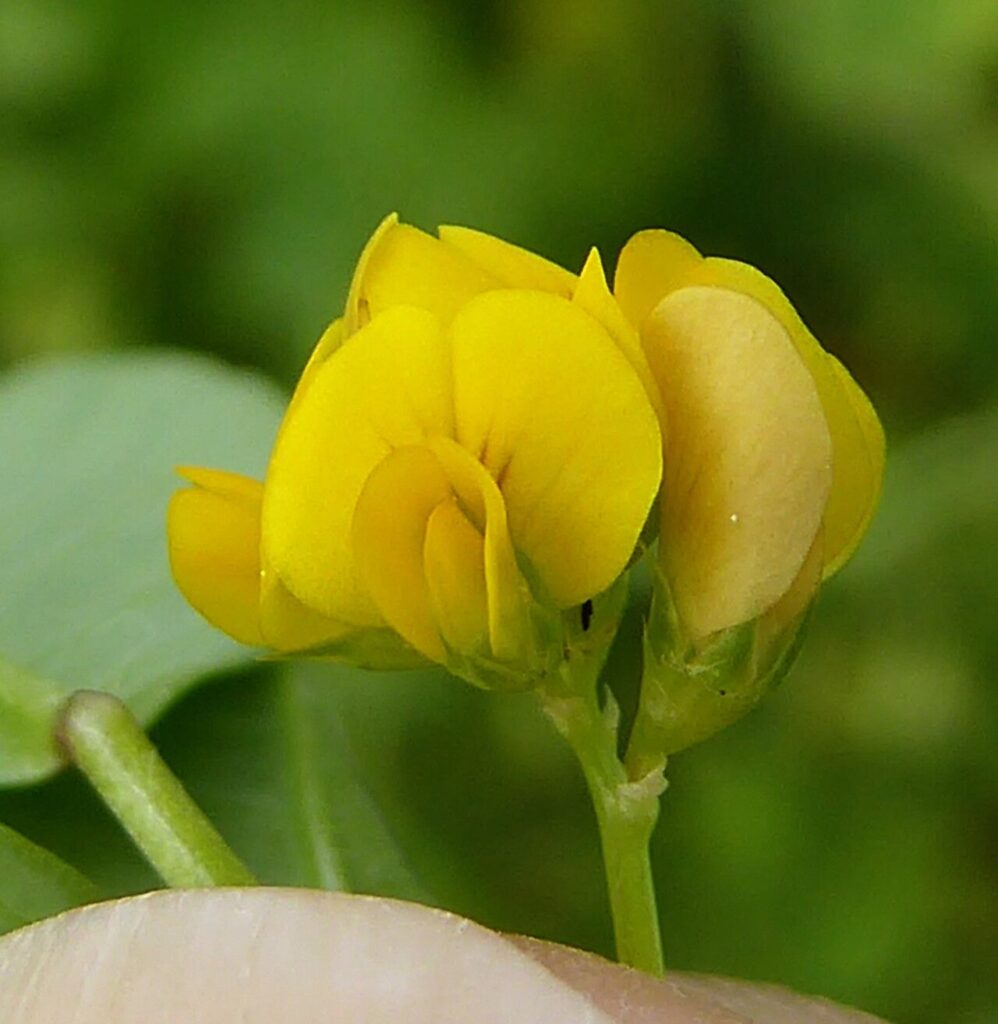
From Seed to Sprout: The Easy Guide to Propagating Medicago polymorpha (Bur Clover)
Medicago polymorpha, commonly known as bur clover, is a resilient and adaptable legume that thrives in various environments. Its ability to fix nitrogen and its drought tolerance make it a valuable addition to gardens, lawns, and even pastures. If you’re looking to expand your own patch of bur clover, propagation is a simple and rewarding process that can be accomplished through seed sowing.
The Seeds of Success: Understanding Bur Clover’s Propagation
Bur clover propagates primarily through seeds, which are dispersed naturally by the plant’s sticky, burr-like seed pods. These pods readily attach to clothing, animal fur, and even car tires, ensuring the seeds are widely scattered. The seed pods, also known as burrs, can remain viable for several years, making it easy to collect and store them for future propagation.
Collecting Seed Pods for Future Growth
To gather seeds for propagation, simply pluck mature burrs from the plant. The pods will be brown and dry, and have a distinct hooked appearance. Once collected, store the burrs in a cool, dry place until you are ready to sow them.
Sowing the Seeds: A Simple Process
Bur clover seeds are small but germinate easily in various conditions. Follow these steps for successful seed propagation:
- Site Selection: Choose a sunny location with well-drained soil. Bur clover prefers a dry, gravelly, or sandy soil environment.
- Soil Preparation: Prepare the soil by tilling or turning over a few inches of top soil. Remove any weeds or debris.
- Sowing Time: The best time to sow bur clover seeds is in the fall or early spring.
- Direct Sowing: Sprinkle seeds directly into the prepared soil, covering them with about ¼ inch of soil.
- Watering: Water the seeds gently to encourage germination.
Tips for Successful Propagation:
- Thinning: Once the seedlings emerge, thin them to about 6-8 inches apart to allow for optimal growth.
- Watering: While bur clover is drought-tolerant, consistent watering during establishment is key to strong growth.
- Fertilization: Bur clover is a nitrogen-fixing legume, meaning it doesn’t require additional nitrogen fertilizer. However, phosphorus and potassium may be beneficial for optimal growth.
Benefits of Propagating Your Own Bur Clover
- Cost-Effective: By propagating your own bur clover, you can save money on purchasing plants or seeds.
- Control over Variety: You have the power to choose the specific variety of bur clover you want to grow, based on your preferences and environmental conditions.
- Increased Abundance: With a little effort, you can easily create a greater abundance of this valuable plant.
A Sustainable Choice: The Beauty of Bur Clover
Medicago polymorpha is a hardy and adaptable plant that thrives in a wide range of environments. By following simple propagation methods, gardeners and land managers can contribute to the growth and spread of this beneficial legume. Bur clover’s ability to fix nitrogen and improve soil health makes it a sustainable and valuable choice for any eco-conscious individual.