
Unlocking the Secrets of Medicago Tenoreana Propagation: A Guide for Budding Botanists
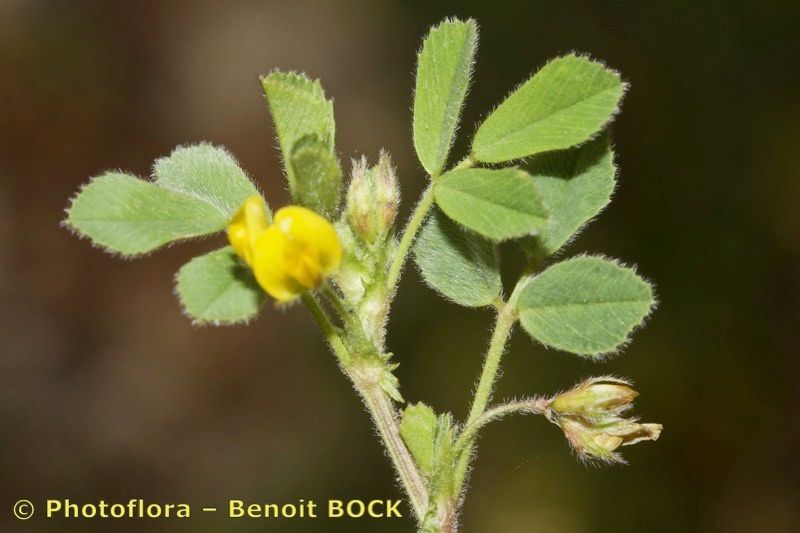
Medicago tenoreana, also known as the “southern alfalfa” or “cupped medic,” might not be a household name like its cousin, the common alfalfa, but this hardy legume boasts captivating yellow blooms and offers numerous benefits to the environment. Whether you’re a seasoned gardener or a curious beginner, learning to propagate Medicago tenoreana can be a rewarding experience. Let’s dive into the fascinating world of multiplying this resilient plant!
Two Paths to Propagation:
Medicago tenoreana can be propagated through two primary methods: seeds and cuttings. Each approach comes with its own set of advantages and considerations:
1. Seed Starting:
- The Pros: Seed propagation offers the most cost-effective way to expand your Medicago tenoreana patch. It’s also an excellent way to introduce genetic diversity.
- The Process: Start by scarifying the seeds – gently rubbing them between sandpaper sheets to break their hard outer layer. This crucial step allows water penetration and enhances germination rates. Sow the scarified seeds in a well-draining seed starting mix, covering them lightly with soil. Maintain consistent moisture and provide warmth (around 70°F or 21°C) for optimal germination, which usually takes one to two weeks.
- Challenges: Seed-grown plants may exhibit variations in growth habits and blooming times due to natural genetic variation.
2. Taking Cuttings:
- The Pros: Cuttings provide a faster route to mature plants and ensure that the offspring will possess identical characteristics to the parent plant (clones).
- The Process: Select healthy, actively growing stems from an established Medicago tenoreana plant. Make a clean cut just below a leaf node using sterilized shears or a sharp knife. Remove the lower leaves, leaving a couple of pairs at the top. Dip the cut end in rooting hormone (optional, but beneficial) and then plant the cutting in moist, sterile potting mix. Provide warmth and indirect sunlight while the cutting develops roots, typically within a few weeks.
- Challenges: Not all cuttings will root successfully, and maintaining humidity around the cuttings during the initial rooting phase is crucial.
Tips for Success:
Regardless of your chosen propagation method, here are some essential tips to maximize your success:
- Well-Draining Soil: Medicago tenoreana thrives in well-drained soil. Avoid heavy clay soils that retain excess moisture, which can lead to root rot.
- Sun-Kissed Location: These sun-loving legumes require at least six hours of direct sunlight daily.
- Moderate Watering: While establishing, consistent moisture is key. Once established, water deeply but infrequently, allowing the soil to dry slightly between waterings.
- Nitrogen Fixation Power: As a legume, Medicago tenoreana forms a symbiotic relationship with nitrogen-fixing bacteria. These beneficial bacteria reside in nodules on the plant’s roots, converting atmospheric nitrogen into a usable form for plant growth. This natural fertilization ability reduces the need for synthetic fertilizers.
Propagating Medicago tenoreana is a rewarding way to expand your garden, attract pollinators, and enhance your soil’s health. With a little patience and care, you can unlock the secrets of multiplying this remarkable plant and enjoy its beauty and benefits for years to come.