
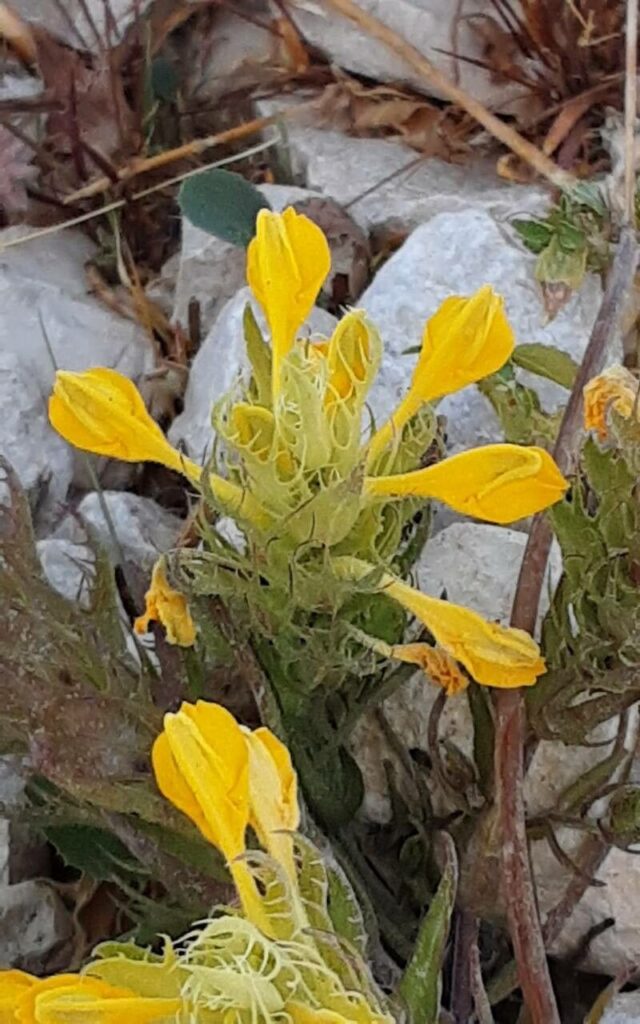
Taming the Wild Beauty: Propagating the Bearded Cowwheat (Melampyrum barbatum)
The Bearded Cowwheat, scientifically known as Melampyrum barbatum, may not be the first plant that comes to mind when thinking of a garden centerpiece. Yet, this wildflower, with its intriguing name and delicate beauty, holds a unique appeal for those seeking to invite a touch of untamed nature into their cultivated spaces.
But cultivating this wildflower comes with its own set of challenges. Melampyrum barbatum is a hemiparasitic plant, meaning it derives some of its nutrients by attaching to the roots of neighboring plants. This symbiotic relationship, while fascinating, adds a layer of complexity to its propagation.
Seeds of Potential:
The most reliable method for propagating Melampyrum barbatum is through seeds. Here’s a step-by-step guide:
- Seed Collection: Look for mature seed capsules in late summer or early fall. The capsules will turn brown and brittle when ready. Collect them carefully and store them in a cool, dry place.
- Cold Stratification: Melampyrum barbatum seeds require a period of cold stratification to break their dormancy. You can achieve this by sowing them directly outdoors in late fall or by mimicking winter conditions in your refrigerator. Place the seeds in a moistened paper towel, seal them in a plastic bag, and store them in the refrigerator for 6-8 weeks.
- Sowing:
- Direct Sowing: Sow the seeds directly into your garden bed in the fall after the first frost. Lightly press them into the soil but avoid burying them deeply as they need light to germinate.
- Indoor Sowing: If you choose the refrigerator method, sow the stratified seeds in seed trays filled with well-draining potting mix about 6-8 weeks before the last expected frost. Keep the soil moist and place the trays in a bright location but out of direct sunlight.
- Host Plant Consideration: To thrive, Melampyrum barbatum needs a host plant. When sowing directly into your garden bed, ensure the seeds are scattered near suitable host plants like grasses or legumes. If sowing indoors, transplant the young seedlings near your chosen host plants once the danger of frost has passed.
- Patience is Key: Germination can be erratic and may take several weeks or even months. Don’t lose heart if you don’t see immediate results.
Beyond Seeds:
Propagating Melampyrum barbatum through division or cuttings is generally not recommended due to its delicate root system and its dependence on host plants.
A Rewarding Challenge:
Bringing the subtle beauty of Melampyrum barbatum into your garden requires patience and a bit of green-thumb finesse. Yet, successfully cultivating this wildflower offers a unique sense of accomplishment. It’s a testament to your ability to understand and recreate the delicate balance of nature in your backyard. As the delicate blooms emerge, adding a splash of color amidst your cultivated landscape, you’ll be rewarded with the knowledge that you’ve brought a touch of the wild into your garden.