
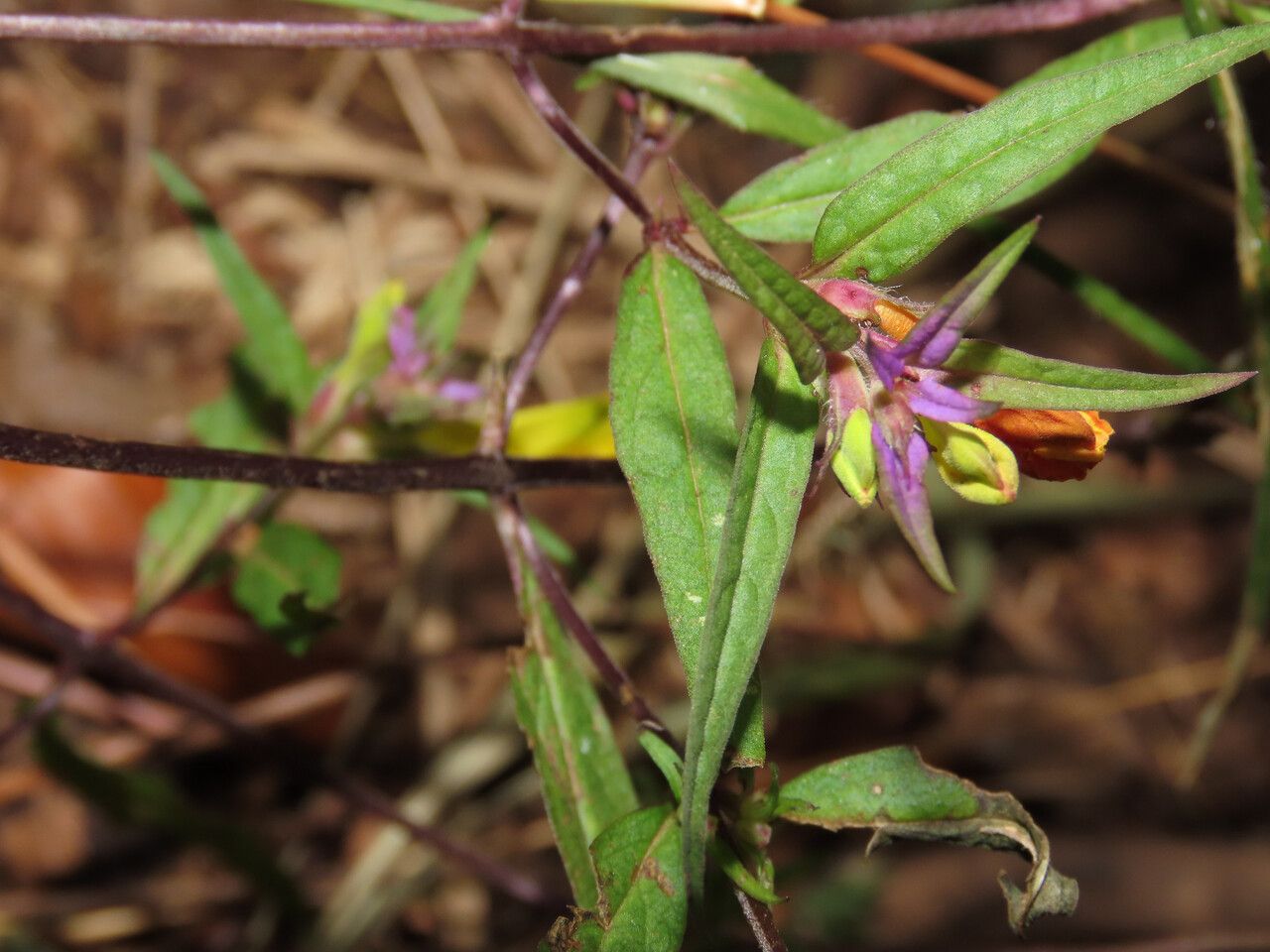
Propagating Italian Cow Wheat (Melampyrum italicum): A Gardener’s Challenge
Introduction
Melampyrum italicum, commonly known as Italian cow wheat, is a charming hemiparasitic annual with striking yellow flowers and attractive foliage. This delightful plant, prized for its vibrant color and ability to naturalize in suitable locations, has gained popularity amongst gardeners seeking to add a touch of wildflower appeal to their borders. However, its propagation presents unique challenges, making successful cultivation a rewarding endeavor for the persistent plant enthusiast. One key aspect making propagation difficult is its hemiparasitic nature; it derives some nutrients from the roots of neighboring plants, which complicates its cultivation outside its natural habitat.
Seed Germination
Seed germination for Melampyrum italicum is possible, but notoriously challenging. The seeds possess a hard seed coat and often require specific conditions for successful germination.
Challenges: The primary challenges lie in achieving sufficient dormancy breaking and maintaining consistent moisture levels without leading to fungal diseases. The seeds are very fine and require precise sowing.
Practical Tips: Stratification (a period of cold, moist treatment) is often recommended to mimic winter conditions and break dormancy. Sow seeds thinly in sterilized seed-starting mix, barely covering them with fine compost. Maintaining high humidity through regular misting and covering the seed tray with clear plastic is crucial. A warm period followed by a cold stratification period might improve germination rates.
Rewards: Successful germination from seed offers the reward of significant genetic diversity, allowing for a wider range of phenotypes and potentially greater hardiness. It also provides the potential for large-scale propagation if conditions are favorable.
Cuttings
Currently, there are no known reliable methods for propagating Melampyrum italicum from cuttings. The plant’s hemiparasitic nature and herbaceous annual life cycle make rooting cuttings exceptionally difficult.
Division
Division is not a feasible propagation method for Melampyrum italicum. As an annual plant, it does not produce the necessary rhizomes or root structures suitable for division.
Tissue Culture
While tissue culture techniques have been successfully applied to other plant species, there is limited information available regarding its application to Melampyrum italicum. Further research is needed to establish reliable protocols for this method.
Conclusion
Propagating Melampyrum italicum presents significant challenges, primarily due to its seed dormancy and hemiparasitic nature. While seed germination remains the most viable option, successful propagation requires patience, attention to detail, and an understanding of the plant’s specific requirements. Cuttings and division are not suitable methods, and tissue culture remains largely unexplored.
The satisfaction derived from successfully cultivating this charming plant from seed is undeniably immense, a testament to dedication and horticultural skill. The vibrant yellow blooms, earned after navigating the complexities of germination, are a beautiful reward for the perseverance of the dedicated gardener. Aspiring propagators should not be discouraged by the difficulties; with careful planning, attention to detail, and a bit of luck, the beauty of Italian cow wheat can be enjoyed in your garden. Remember to provide a suitable host plant, well-draining soil rich in organic matter, and a sunny location for optimal growth.